For a broader understanding of retreat formats, seasonal considerations, and how mountain programs differ across regions, see our complete guide to Himalayan Retreats in India.

Burnout Recovery in the Himalayas Retreat
A weekend mountain retreat designed to help you disconnect from constant work pressure and reconnect with nature, slow living, and meaningful rest.
Who Burnout Recovery Retreat in the Himalayas is for
Want dates, price, and fit?
Talk with us directly — no forms, no commitment. Just a conversation about what you need.
Dates · Starting price · Fit guidance
Ideal fit for Burnout Recovery Retreat in the Himalayas
- ✓You feel mentally exhausted from constant work pressure and need a break that actually recharges
- ✓You spend most of your day in front of screens and want a genuine digital detox in nature
- ✓You want a short, meaningful weekend escape without heavy planning or logistics
- ✓You enjoy exploring mountain landscapes, waterfalls, and local culture
- ✓You are a solo traveller wanting to disconnect from work in a small, supportive group
- ✓You have been postponing a break for months and need something that fits into a weekend
- ✓You are an entrepreneur, freelancer, or remote worker feeling the weight of always being "on"
What makes this retreat unique
Unlike structured wellness programs or resort getaways, this retreat is designed around the specific reality of work-driven burnout. Every element — the location, the pace, the food, the absence of structure — serves one purpose: letting your system stop.
Nature First, Not Therapy
Most of the retreat is spent outdoors — forest trails, waterfalls, viewpoints, village walks. Research consistently shows that 72 hours in nature resets cortisol levels more effectively than any workshop. We build the retreat around this science.
Authentic Himalayan Culture
Participants experience the Jaunsaari culture of Chakrata — one of the oldest tribal communities in Uttarakhand. Village visits, local stories, and pahadi food create a sensory shift that breaks the city-work-screen loop.
No Schedule Pressure
The retreat deliberately avoids rigid schedules. You will not be told when to wake, when to meditate, or when to reflect. The point is to let your body find its own rhythm again — something burnout makes impossible in daily life.
Small Group Intimacy
Maximum 12 participants per retreat. This creates a genuine sense of community without social pressure. Many participants arrive as strangers and leave with connections that outlast the retreat.
Weekend-Friendly Format
Friday to Sunday — designed to fit into working schedules. You don't need to take a week off or restructure your calendar. A single weekend is enough to shift something fundamental in how you relate to work.
Experiences during the retreat
Forest Walks Through Deodar Trails
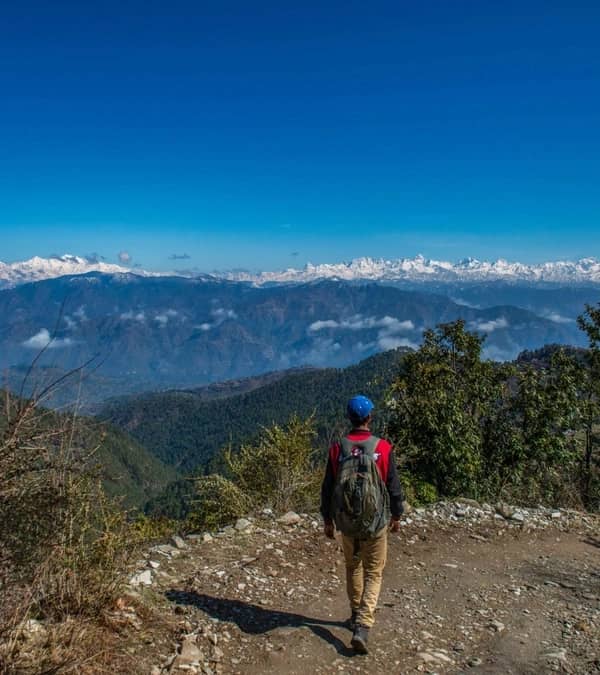
Slow, unhurried walks through ancient deodar and oak forests. No destination, no time pressure. You walk at the pace your body wants to move. The forest air at 2,200m altitude — clean, cool, pine-scented — begins working on your nervous system within hours.
Tiger Falls Exploration
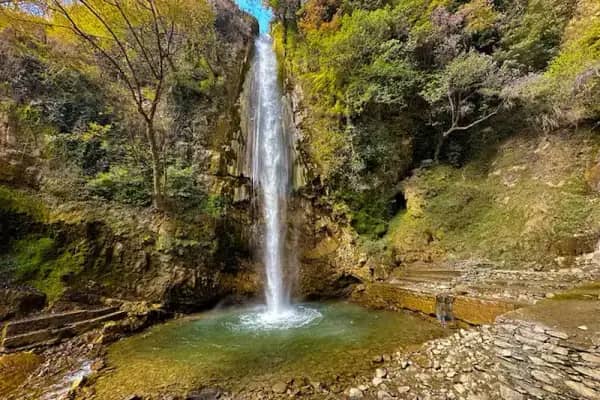
Visit Tiger Falls — one of the highest direct waterfalls in Uttarakhand, dropping 50m into a natural pool surrounded by forest. The walk to the falls is through dense canopy. The sound of water hitting rock creates a natural white noise that quiets the mind.
Jaunsaari Village Walks
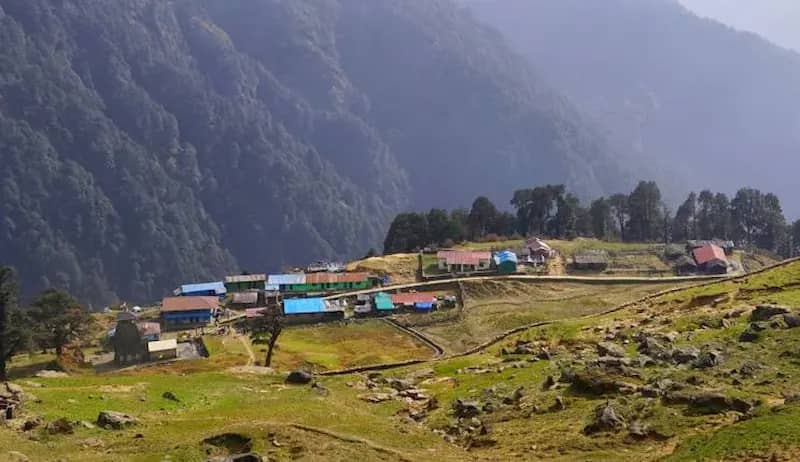
Explore local Jaunsaari villages — among the oldest tribal communities in the Himalayas. Stone houses, terraced fields, and a pace of life that has remained unchanged for centuries. These visits create a visceral contrast with urban working life that shifts perspective.
Sunrise & Sunset Viewpoints
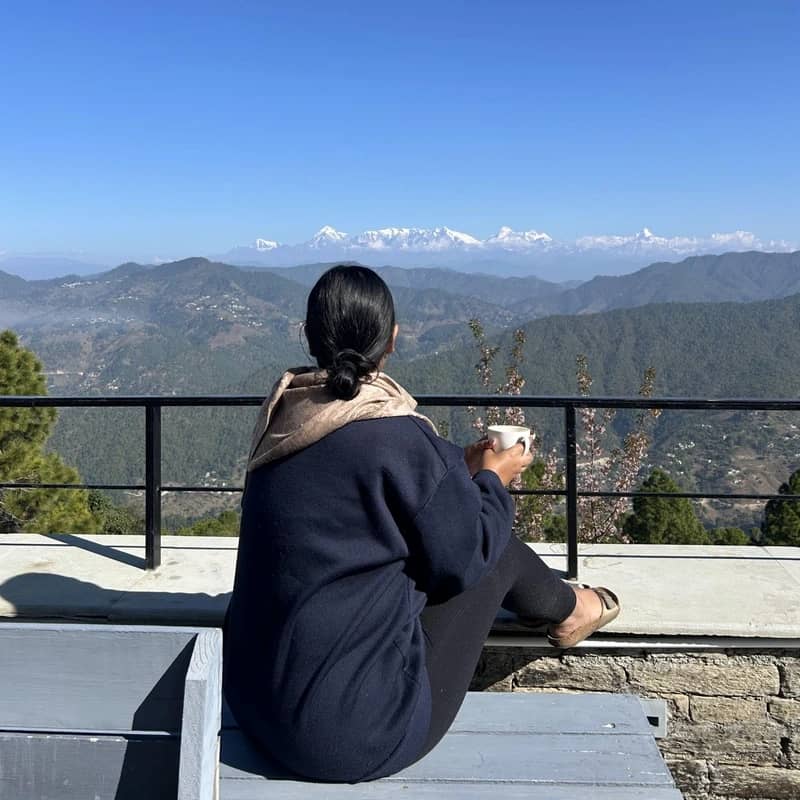
Experience the Himalayan light show from scenic viewpoints — Chilmiri Neck for sunset, Moila Top for sunrise. Watching the light change across mountain ridges, with no phone to photograph it, is one of the most quietly restorative experiences the retreat offers.
Bonfire Evenings Under Mountain Skies
Evenings gather around a wood fire under clear Himalayan skies. No agenda, no facilitated conversation. Just warmth, starlight, and the natural ease that comes when a group of people stops performing their daily roles.
Pahadi Food & Mindful Eating
Every meal features authentic Himalayan pahadi cuisine — dal, local sabzi, hand-rolled chapati, seasonal vegetables from nearby farms. The food is simple, warming, and prepared with care. Many participants say the meals alone are worth the trip.
Places we explore
Tiger Falls
One of the highest waterfalls in Uttarakhand — a 50m cascade surrounded by dense forest. The walk there is half the experience: sunlight through canopy, birdsong, and the growing sound of water.
Moila Top
A scenic hilltop offering 270° Himalayan views. Used for optional sunrise visits. When the morning light hits the snow-capped peaks, the view resets something fundamental in your sense of scale.
Budher Caves
A natural cave system at 2,800m with local mythological significance. The trek to reach them is gentle and passes through some of the most pristine forest in the region.
Chilmiri Viewpoint
Known locally as the "sunset point" — a peaceful clearing with panoramic mountain views. The evening light here is extraordinary.
Jaunsaari Villages
Traditional stone-and-slate villages where the pace of life has remained largely unchanged. Walking through these villages creates a powerful contrast with the work-saturated life most participants come from.
How it
Friday — Arrival & Welcome Travel from Delhi (6–7 hrs) or Dehradun (3 hrs) and arrive in Chakrata by evening. After settling into the accommodation — comfortable mountain stays surrounded by forest — the group gathers for a welcome dinner of pahadi food and easy introductions. The evening closes with a bonfire under the stars. No agenda, no icebreakers — just warmth and the sound of the forest.
Saturday — Nature & Exploration The day begins with an unhurried morning. After breakfast, the group visits Tiger Falls — the walk through forest, the waterfall itself, and time spent simply sitting by the water. Late morning or early afternoon brings a village walk through Jaunsaari settlements. The evening includes a sunset viewpoint visit (Chilmiri Neck or similar) followed by dinner and bonfire. This is the day most participants feel the shift — the mental noise begins to quiet.
Sunday — Sunrise & Departure The final day begins with an optional sunrise viewpoint visit (Moila Top). After breakfast, the group explores another scenic location — Budher Caves or a forest trail — before beginning the return journey. Participants reach Delhi or Dehradun by evening. Most report that the return drive feels different — quieter inside, clearer, less urgent.
Where this retreat works best
Primary location: chakrata
The quiet forests, waterfalls, and mountain views around Chakrata create the ideal environment for burnout recovery. Unlike crowded hill stations, Chakrata remains peaceful and undisturbed — exactly what an exhausted nervous system needs.
Also held in
Chakrata
Forest silence at 2,200m. The gentlest, most accessible setting. Perfect for a weekend reset without the extremity of higher altitude.
Sankri
The remoteness at 1,920m in the Tons Valley creates a complete break from the system that caused the burnout. Deeper isolation for those ready for it.
Munsiyari
Alpine terrain at the foot of Panchachuli peaks. For those seeking dramatic landscape as a mirror for inner transformation.
Food & accommodation
Accommodation is arranged in comfortable mountain stays surrounded by deodar forests. Rooms are clean, warm, and simple — no luxury, but genuine comfort. All meals during the retreat are included: traditional pahadi cuisine prepared with local, seasonal ingredients. Expect dal, fresh sabzi, hand-rolled chapati, rice, and warming chai. The food is part of the experience — simple, nourishing, and deeply satisfying.
About Chakrata
Chakrata is a quiet hill region in Uttarakhand at 2,200m altitude, known for its ancient deodar forests, waterfalls, and peaceful mountain landscapes. Unlike crowded hill stations like Mussoorie or Shimla, Chakrata remains calm, unhurried, and largely undiscovered by mass tourism. This is the silence that actually heals.
Travel & transportation
From Delhi
Travel from Delhi takes approximately 6–7 hours by road. We share detailed travel guidance and can help arrange shared transport with other participants.
From Dehradun
Chakrata is about a 3-hour drive from Dehradun. Pickup from Dehradun railway station or ISBT can be arranged.
Detailed travel instructions, packing list, and preparation guidance are shared after registration.
How this adapts
Want to experience this as a trek?
Suggested Trek
Chakrata Weekend Trek
Guided Himalayan trek
The mountainsare waiting.Are you ready?
If constant work pressure has left you feeling drained — if you have been postponing a break for months because there is always something more urgent — this retreat exists for you. Three days in the mountains will not solve everything. But they will remind your body and mind what it feels like to stop. And that reminder changes how you return. Talk to us — we will find the dates and format that work for where you actually are.
Start with a conversation
Pricing on enquiryNo forms, no checkout. Tell us what you're looking for — we'll take it from there.Custom pricing based on your plan.
You May Also Consider
- Rest & Reset
Permission to stop, for people who have been running too long.
- Yoga Retreats & Movement
Personal-practice Yoga retreats with asana, pranayama, and meditation; current dates and programme details are confirmed by enquiry.
- Meditation & Silence
Drop into the depth that silence reveals, with guidance and sanctuary.
- Trek & Paint Retreat
Walk the Himalayas by day, paint what you see by evening — where trail meets canvas.
Compare This Retreat
See how this retreat compares to other similar offerings.
Program Profile
Editorial scores across four dimensions. Higher values indicate greater emphasis, not quality.
Frequently Asked Questions
Is this retreat suitable for complete beginners?
Yes. The activities involve light forest walks and gentle exploration — not strenuous trekking. No fitness or outdoor experience is required. If you can walk for 1–2 hours at an easy pace, you are ready for this retreat.
Will this retreat actually help with burnout?
Research consistently shows that 72+ hours immersed in nature significantly reduces cortisol levels and restores cognitive function. This retreat is designed around that science — three days of forest air, mountain silence, walking, and genuine rest. Most participants report noticeable mental clarity and reduced stress by Sunday. It is not therapy, but it is potent.
Can I do this retreat solo?
Absolutely. Many of our participants come alone — often because their regular social circle doesn't understand the depth of their exhaustion. The small group format (max 12) creates natural, pressure-free connection. You will not be forced to socialise, but you will be surrounded by people who understand why you needed to come.
Is there phone signal or WiFi?
Signal in Chakrata is intermittent — which is intentional. We recommend treating this as a genuine digital detox. Most participants find that after the initial discomfort (2–3 hours), the absence of notifications is profoundly liberating. In emergencies, connectivity is always available.
What is included in the price?
All meals (traditional pahadi cuisine), accommodation in comfortable forest stays, all guided activities and exploration, bonfire evenings, and local expertise. Travel to Chakrata is not included but we provide detailed guidance and can help arrange shared transport from Delhi or Dehradun.
How do I get to Chakrata from Delhi?
Chakrata is approximately 6–7 hours from Delhi by road (via Dehradun) and 3 hours from Dehradun. Most participants drive or take a shared vehicle. We share detailed travel instructions with pickup points, route options, and can help coordinate shared transport with other participants after registration.
What kind of accommodation should I expect?
Comfortable mountain stays surrounded by forest — clean, warm rooms with attached bathrooms. This is not a luxury resort and not a hostel. Think of it as well-maintained mountain living: simple, comfortable, and authentically Himalayan. Hot water, warm bedding, and mountain views.
What is the food like?
Traditional Himalayan pahadi cuisine — dal, fresh local sabzi, hand-rolled chapati, rice, seasonal vegetables from nearby farms, and warming chai. Simple, nourishing food prepared with care. Vegetarian by default; we can accommodate dietary preferences with advance notice.
How is this different from a regular weekend trip to the mountains?
A regular trip involves planning, logistics, restaurant choices, photo opportunities, and the mental work of "making the most of it." This retreat removes all of that. Everything is taken care of — you just arrive and stop. The pace, the silence, the absence of decisions, and the small supportive group create conditions that a self-planned trip simply cannot replicate.
What is the best time of year for this retreat?
The retreat runs year-round. Spring (March–May) offers wildflowers and gentle weather. Autumn (October–November) delivers the clearest skies and snow-peak views. Winter (December–February) brings crisp air, possible snowfall, and the deepest forest silence. Monsoon (July–September) has dramatic clouds and intense green. Each season offers a different quality of rest.