For a broader understanding of retreat formats, seasonal considerations, and how mountain programs differ across regions, see our complete guide to Himalayan Retreats in India.
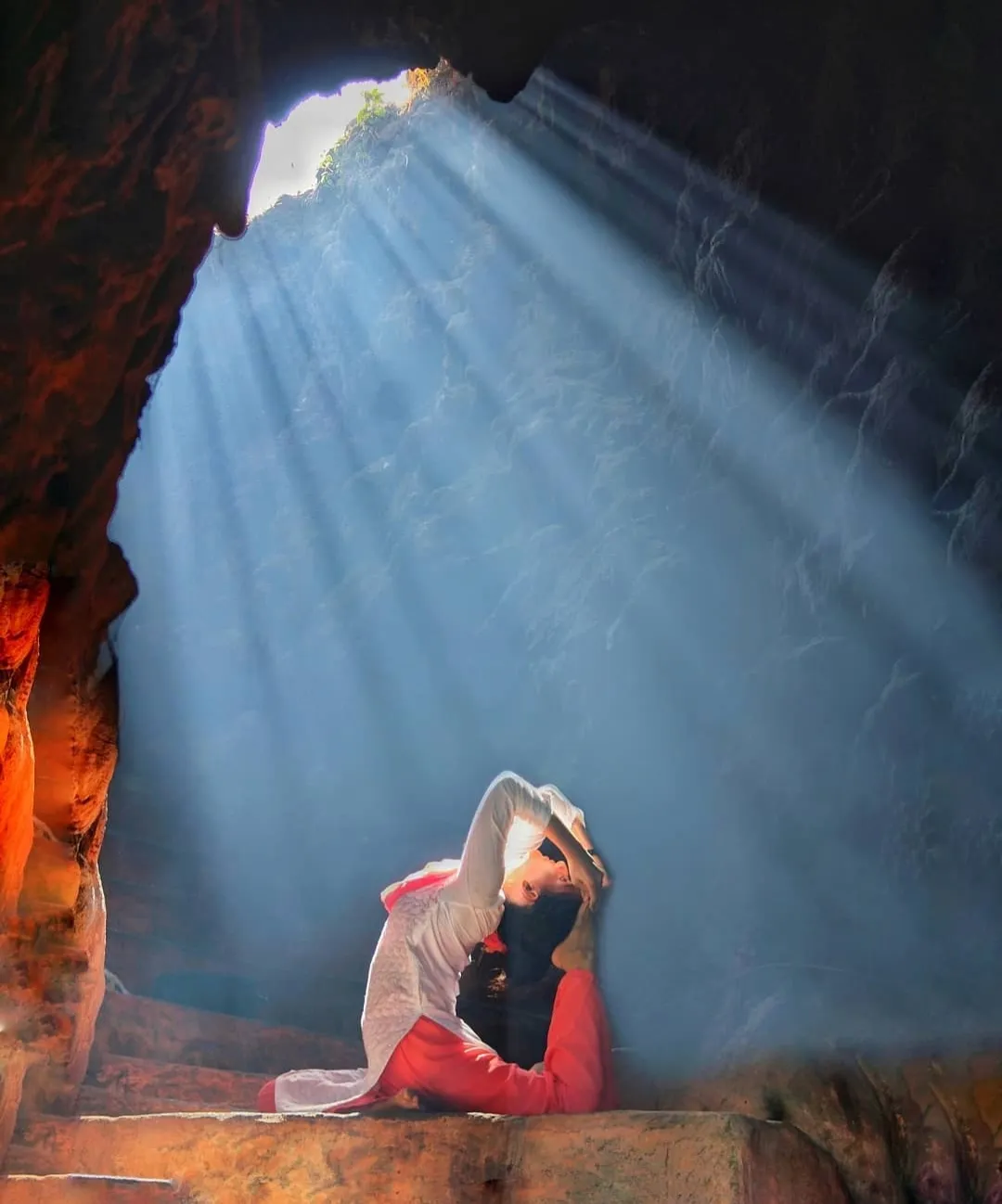
Yoga & Movement Retreat
Personal-practice Yoga retreats with asana, pranayama, and meditation; current dates and programme details are confirmed by enquiry.
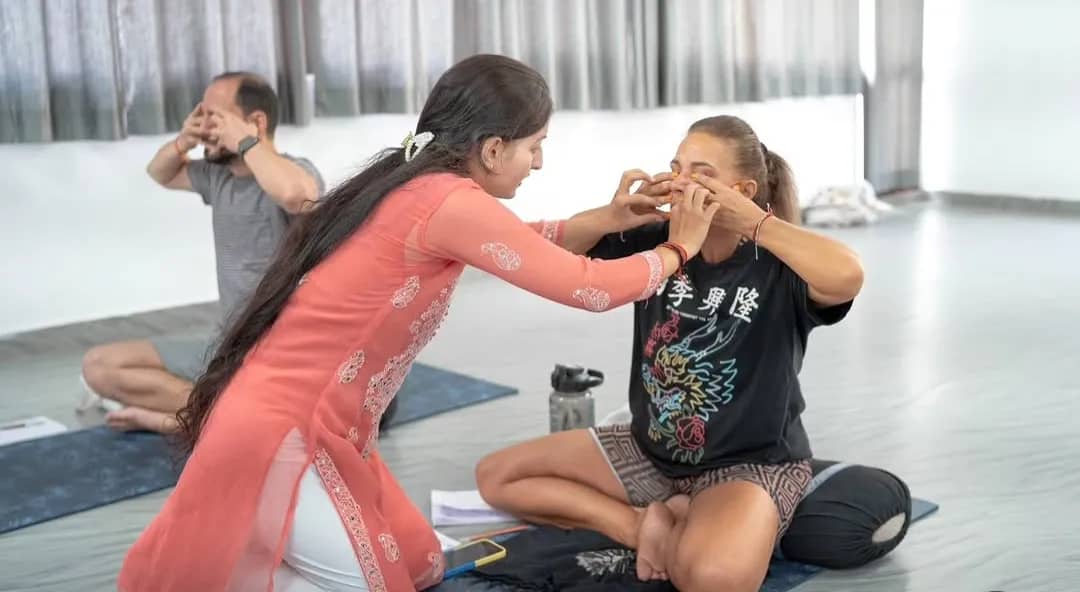
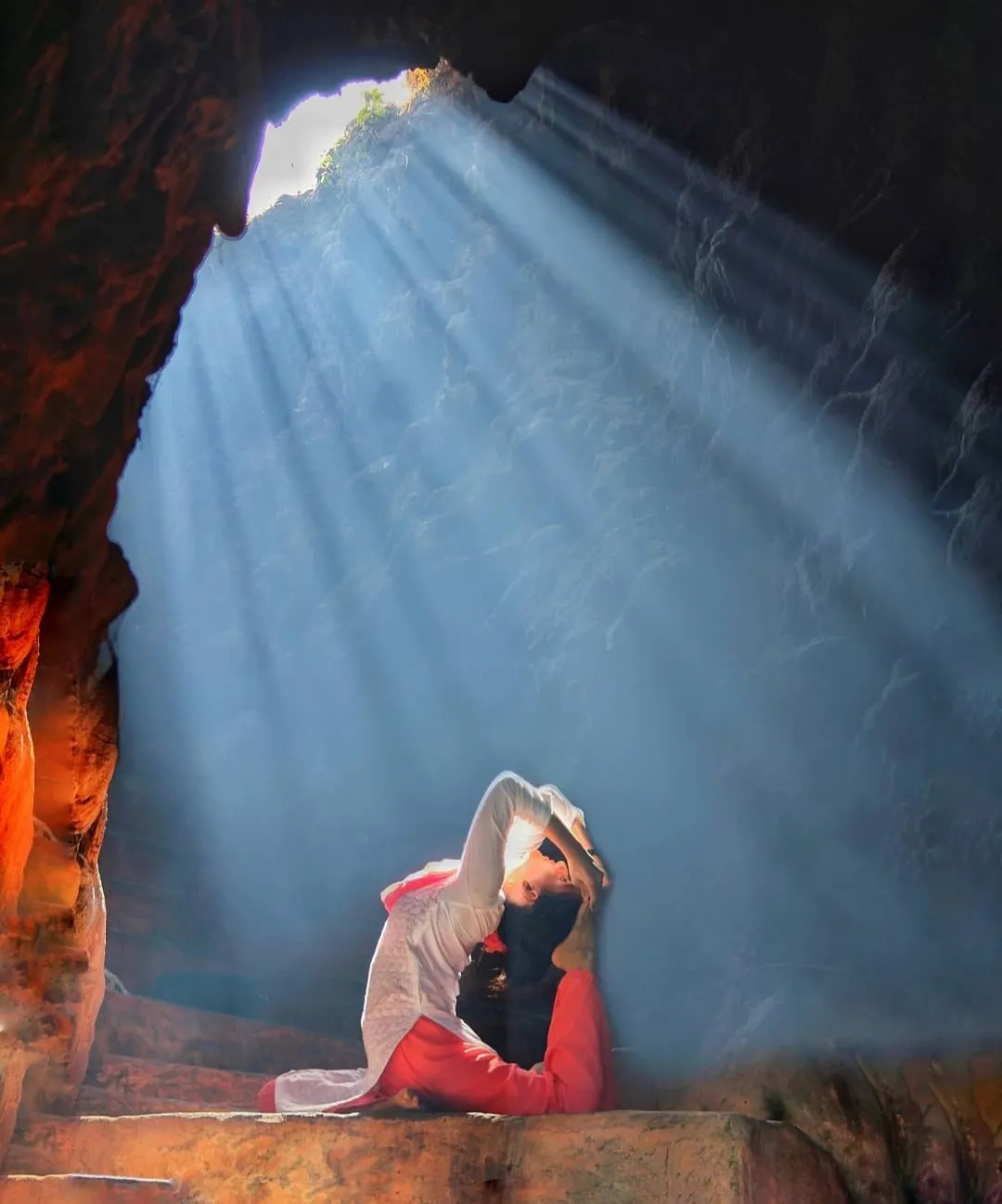
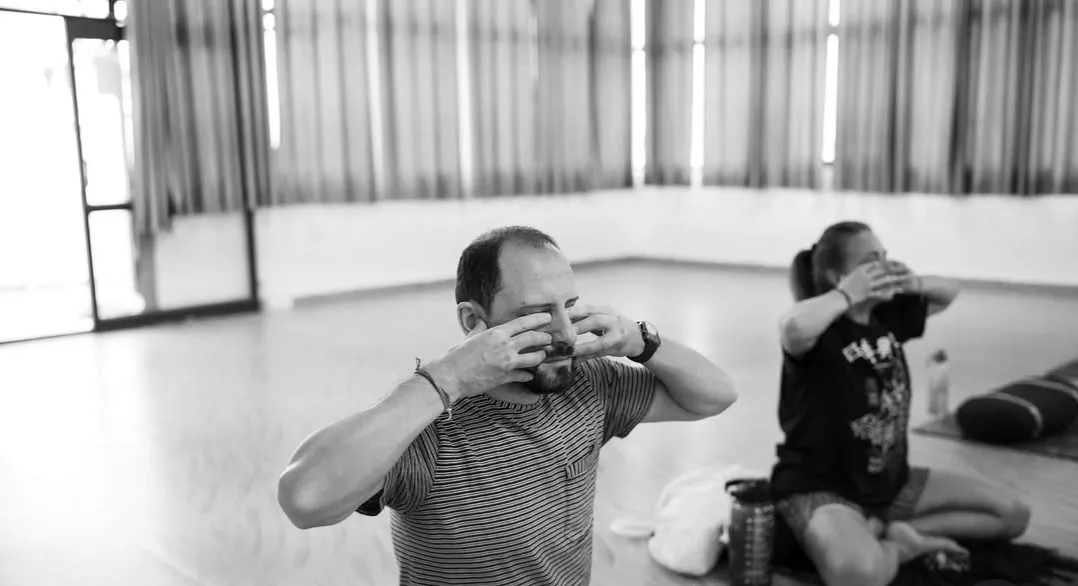
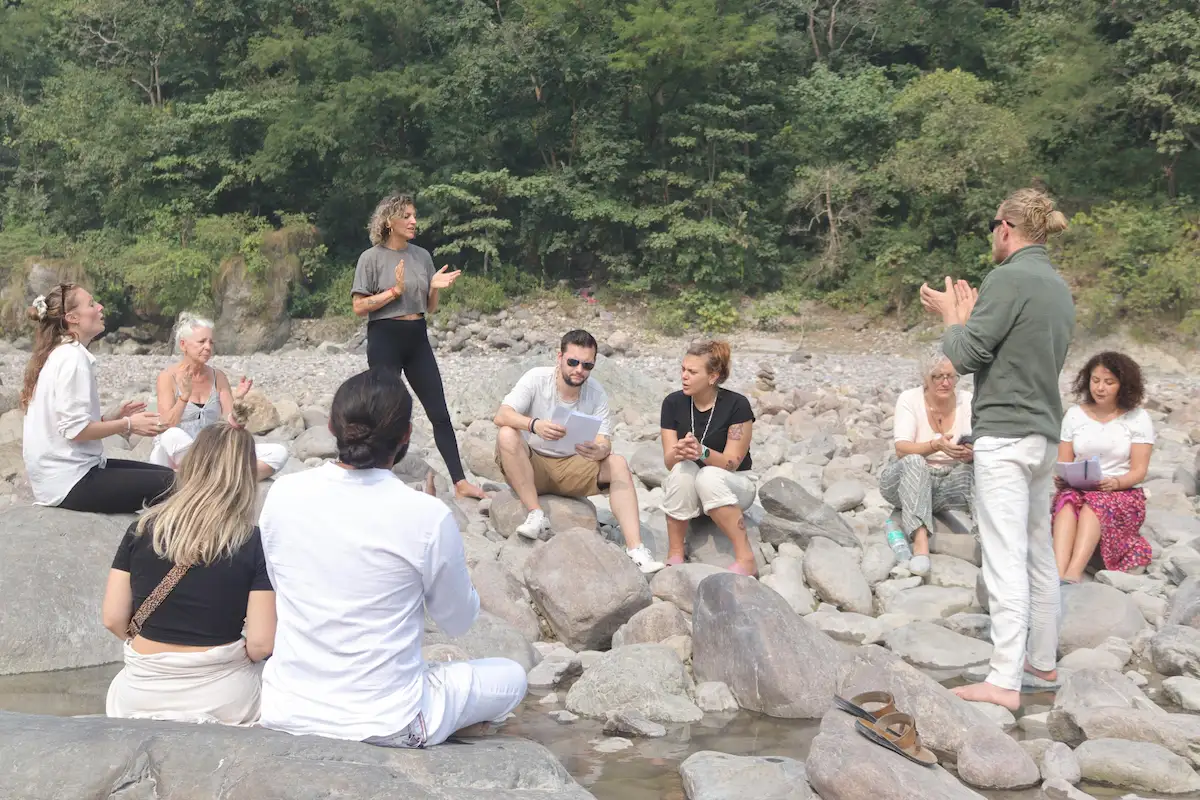
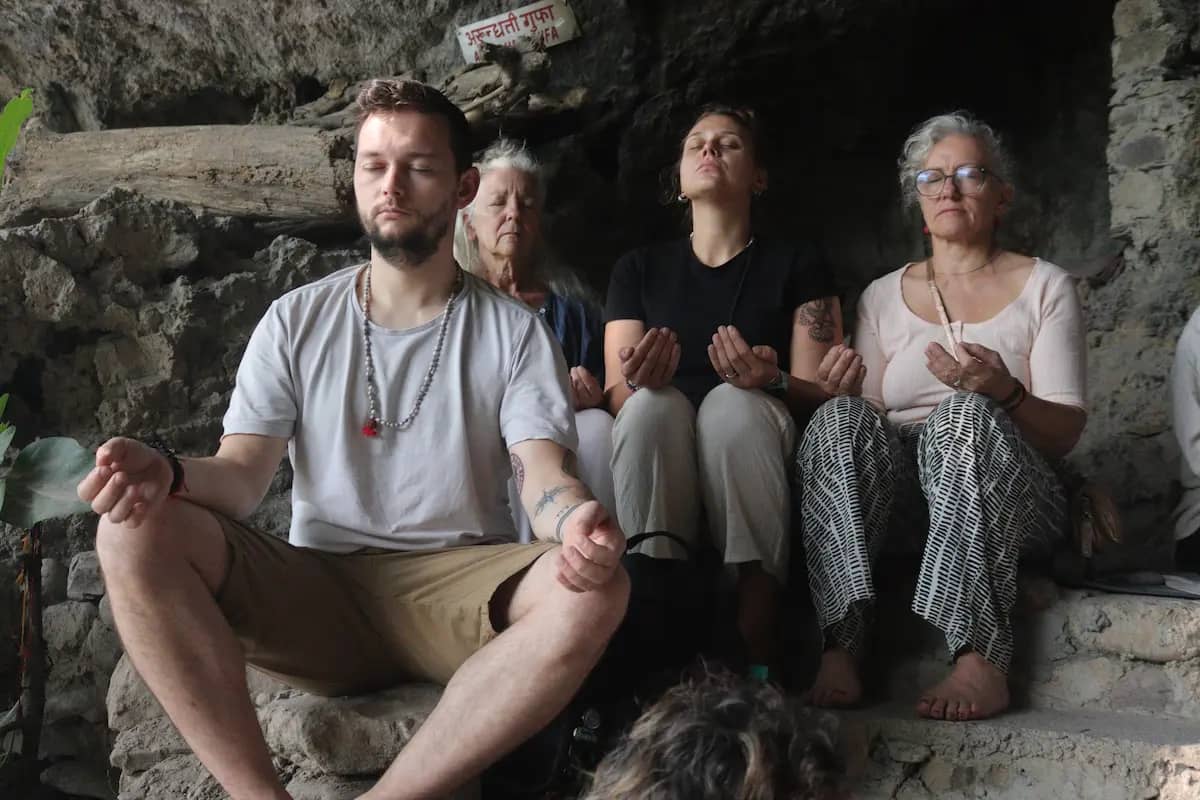
Who Yoga Retreats & Movement is for
Want dates, price, and fit?
Talk with us directly — no forms, no commitment. Just a conversation about what you need.
Dates · Starting price · Fit guidance
Ideal fit for Yoga Retreats & Movement
- ✓You want to join a yoga retreat that combines asana, pranayama, meditation, rest, and nature
- ✓You are considering a separate Yoga Teacher Training course and want verified current details
- ✓You are seeking reconnection with your body after a period of stress, burnout, or sedentary work
What makes this retreat unique
This is not a yoga class with a mountain backdrop. It is a carefully designed container where practice, environment, and silence work together to transform your relationship with your body.
Practice, Not Performance
There are no mirrors, no comparisons, no advanced poses to achieve. Teachers meet you where your body is today — not where it should be. This removes the single biggest barrier to genuine yoga.
Practice in Context
Location affects the practical conditions of a retreat. Confirm venue, access, altitude, season, and practice arrangements for the selected departure.
Integrated Approach
Asana, pranayama, and meditation are taught as one continuous practice — not separate classes. Movement flows into breath which flows into stillness. This is how yoga was originally designed.
Forest Silence Between Sessions
The silence between practices is as important as the practice itself. Deodar forest walks, mountain views, and undistracted time allow what you practised to settle into your body.
Experiences during the retreat
Asana
Asana is part of the Yoga & Movement service description. Style, session length, level, and timings are confirmed for each published programme.
Pranayama & Breathwork
Pranayama is part of the Yoga & Movement service description. Specific techniques and sessions depend on the confirmed programme.
Meditation & Stillness
Meditation is part of the Yoga & Movement service description. The format and schedule are departure-specific.
Restorative Practice
Restorative practice is described as a possible element of Yoga & Movement. Confirm whether it is included in the selected departure.
Places we explore
Rishikesh
The primary recurring Yoga destination in the product plan. The exact venue and practice setting depend on a published departure.
Other Himalayan locations
Chakrata, Sankri, and other locations are enquiry-led. Venue, access, season, and available practice spaces must be confirmed.
How it
The Yoga & Movement service describes asana, pranayama, meditation, and restorative practice as possible elements. No fixed daily schedule, session time, meal plan, accommodation, or location-specific venue is published here. The details are confirmed for an actual departure or demand-led enquiry.
Where this retreat works best
Primary location: rishikesh
Rishikesh is the primary recurring Yoga destination in the current product plan. Dates, venue, facilitator, price, and availability appear only when confirmed for a departure.
Also held in
Chakrata
Demand-led location. Current dates, venue, season, and programme are confirmed by enquiry.
Sankri
Demand-led location. Current access, season, suitability, and programme are confirmed by enquiry.
Rishikesh
Primary recurring destination. Check the linked product calendar for published dates and confirmed details.
How this adapts
The mountainsare waiting.Are you ready?
Whether you are returning to your breath after years away or deepening a practice you have held for decades, we welcome you. The Himalayas have held space for yoga practitioners for thousands of years. Come move with us in the mountains — your body already knows the way home.
Start with a conversation
Pricing on enquiryNo forms, no checkout. Tell us what you're looking for — we'll take it from there.Custom pricing based on your plan.
You May Also Consider
- Rest & Reset
Permission to stop, for people who have been running too long.
- Burnout Recovery Retreat in the Himalayas
A weekend mountain retreat designed to help you disconnect from constant work pressure and reconnect with nature, slow living, and meaningful rest.
- Meditation & Silence
Drop into the depth that silence reveals, with guidance and sanctuary.
- Sound Healing
Bathe your nervous system in resonance that restores and recalibrates.
Who guides your practice
Learn about the experienced facilitator who will guide your yoga and movement journey.
8 years experience
Sakshi
Yoga Retreat & Movement Facilitator
Sakshi teaches yoga as a steady relationship with the body, breath, and attention. Her sessions are accessible, grounding, and adaptive, supporting beginners as well as students who want to deepen their practice through retreats, teacher training, aerial yoga, or continued online classes. In retreat settings, she keeps the practice spacious and non-competitive, using movement, pranayama, stillness, and rest to help participants reconnect with their bodies without pressure.
Yoga Teacher Training Course
Teacher Training is distinct from a personal-practice retreat. Course locations, dates, duration, fees, curriculum, eligibility, accommodation, meals, facilitator, and certification are not currently published.
Current course details
UnpublishedUse the TTC enquiry path to request verified course information. An enquiry does not reserve a place or confirm that a course is currently running.
Request TTC details →Compare This Retreat
See how this retreat compares to other similar offerings.
Program Profile
Editorial scores across four dimensions. Higher values indicate greater emphasis, not quality.
Frequently Asked Questions
Do I need previous yoga experience for this retreat?
The Yoga service description is intended for different experience levels, but the teaching approach, adaptations, and suitability for the specific published departure must be confirmed before booking.
Is this retreat physically intense?
Intensity and adaptations depend on the confirmed programme and facilitator. Share relevant needs and experience with the team before deciding whether a departure is suitable.
What does a yoga retreat actually involve?
Asana, pranayama, meditation, and restorative practice are described by the Yoga service. Exact schedule, meals, stay, location, and inclusions are not published until attached to a confirmed departure.
What style of yoga is practised?
The service description mentions Hatha and gentle Vinyasa as possible approaches, along with pranayama and meditation. Confirm the style offered on the specific departure.
What should I bring to a yoga retreat?
A departure-specific packing list, mat/prop availability, and outdoor practice arrangements are not currently published. Ask the team for the confirmed list before travelling.
Where is this yoga retreat held?
Rishikesh is the primary recurring destination in the current product plan. Chakrata and Sankri are demand-led. Venue and transport details are confirmed for a published departure or custom enquiry.
How is this different from a yoga class or studio?
A retreat is a multi-day personal-practice format rather than a single class. The daily structure, device policy, meals, and location depend on the programme confirmed for the selected departure.
Can I combine this with a trek?
A trek-and-Yoga combination is not represented as a scheduled product in the current Yoga departure registry. Ask whether a custom combination can be arranged for your dates and location.
What is the group size?
Group capacity is not currently published for a future Yoga departure. Any group-size limit must be confirmed for the selected programme.