What Is a Himalayan Retreat?
A Himalayan retreat is a time-bound, teacher-led program conducted in a Himalayan location that brings guided practices into a mountain setting. Most retreats last between three and seven days and follow a deliberate daily rhythm rather than an open-ended itinerary.
Core components typically include:
- Morning movement practices such as yoga or mobility work
- Breathwork or meditation sessions
- Guided group reflection or discussion
- Quiet periods for reflection
- Light nature time or gentle mountain walks
The defining characteristic of a retreat is clear structure. Participants are not left to design their own schedule. Meals are shared. Phone use is reduced. The emphasis is on inner reset rather than outside noise.
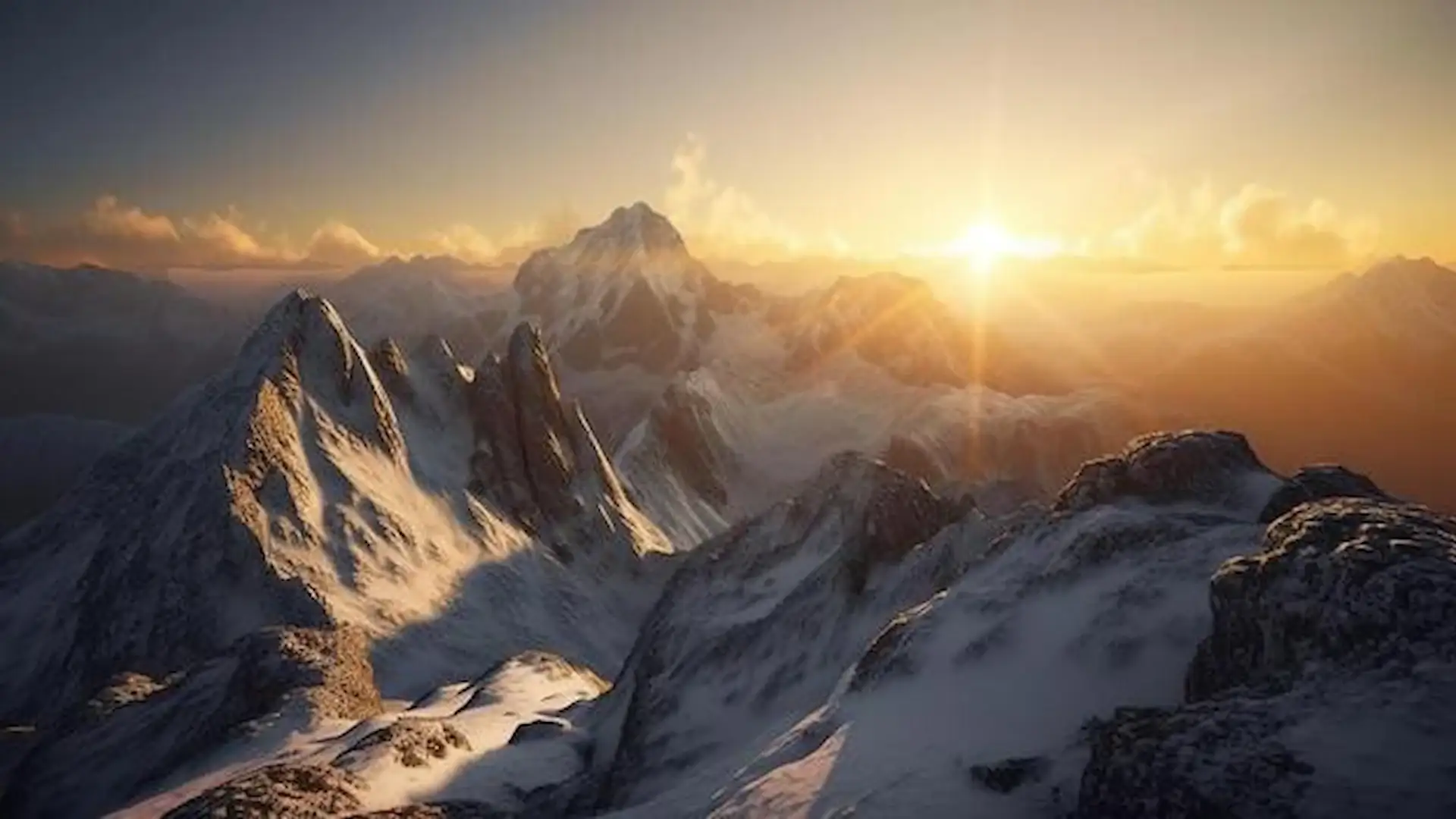
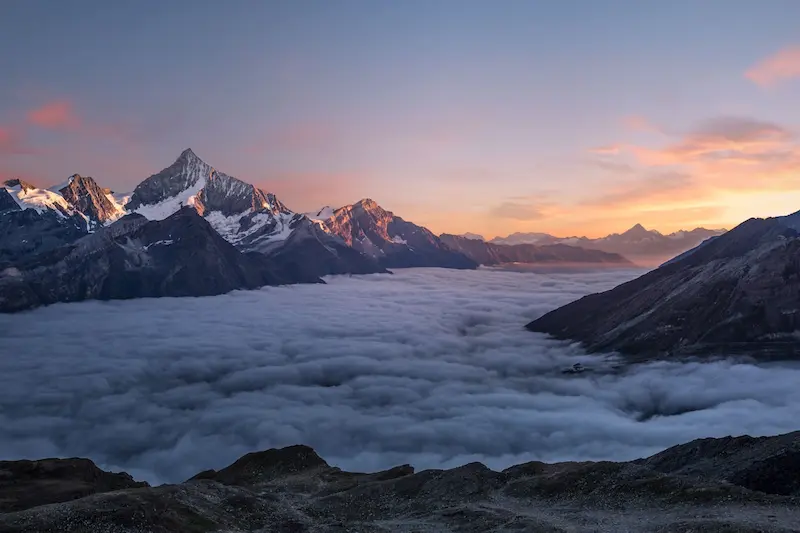
The mountain setting is not symbolic alone — it is functional. Reduced urban noise, expansive landscapes, and natural daily rhythm create conditions where attention stabilizes more easily. In that sense, the Himalayas are not simply a backdrop to the retreat; they are part of how the retreat works.
Retreat vs Vacation
A vacation is organized around choice, leisure, and stimulation. A retreat is organized around rhythm, reduction, and internal focus. Both involve leaving your usual environment — but a retreat deliberately limits options in order to deepen presence.
Retreat vs Trek
A trek is a physical journey through mountain terrain. The emphasis is on movement, endurance, and landscape. A retreat is place-based — you arrive and stay, allowing depth to emerge through stillness rather than distance. Some journeys combine both formats, but they are different in structure. If you are weighing both options, our guide on retreat vs trek — which is right for you may help clarify the decision.
Retreat vs Ashram Stay
Ashram stays are usually longer, rooted in an institution, and tied to a particular spiritual tradition. Himalayan retreats are shorter, more program-led, and often non-denominational. They are designed to be accessible to anyone — regardless of religious orientation or prior practice.
Why the Himalayas?
Types of Himalayan Retreats

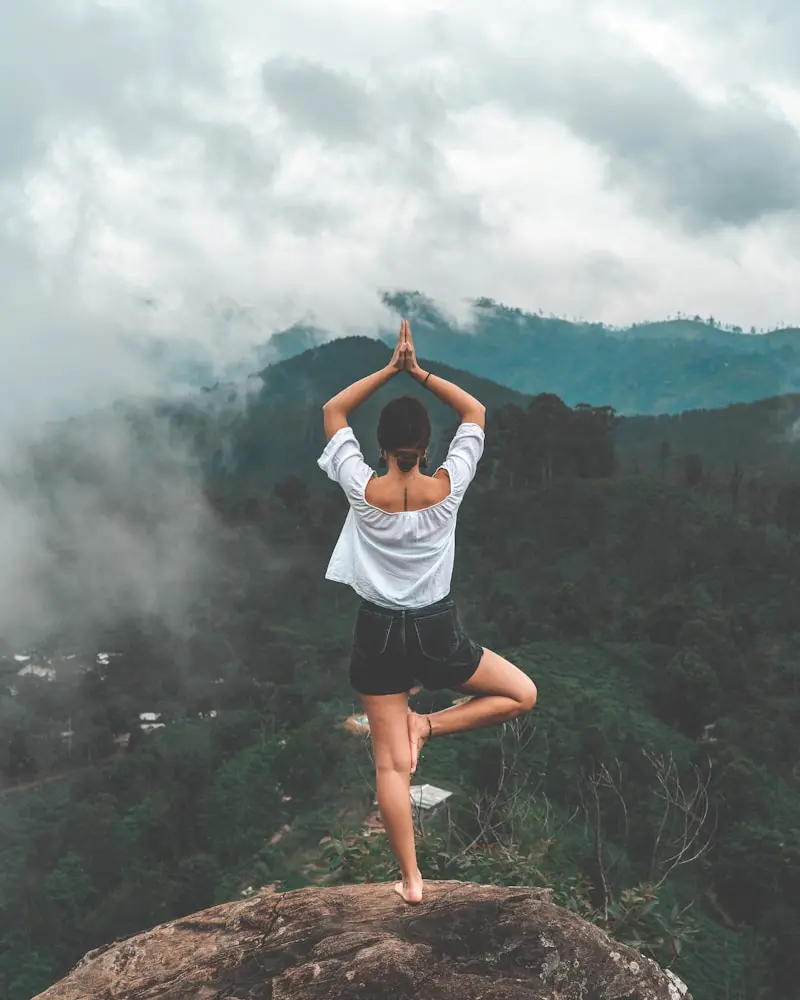
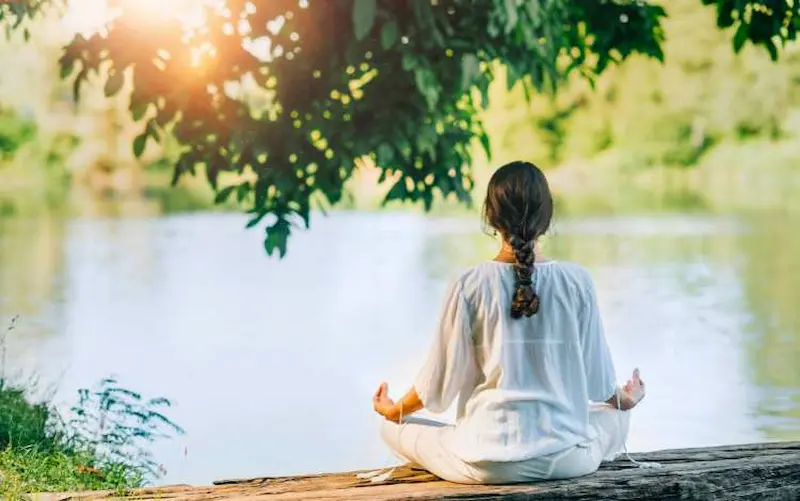


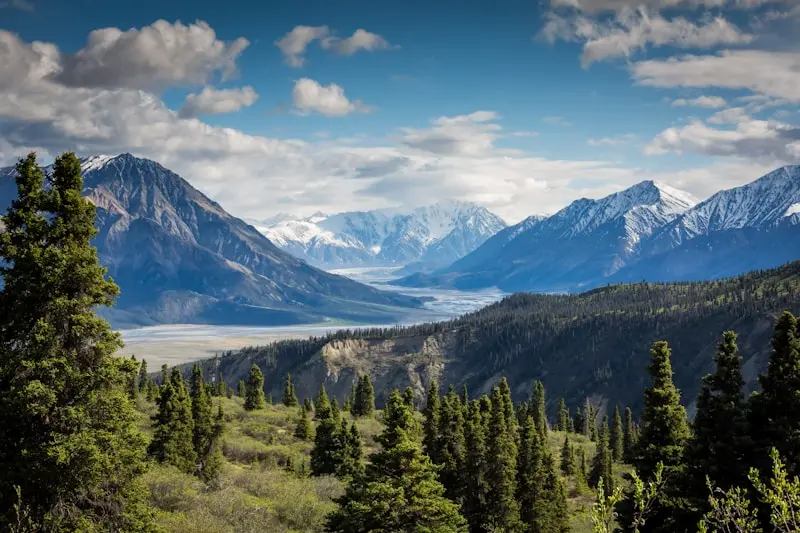

Locations We Host Retreats
Himalayan retreats are shaped not only by guiding style but by landscape. Altitude, forest cover, ease of access, and local culture influence the tone of each experience.
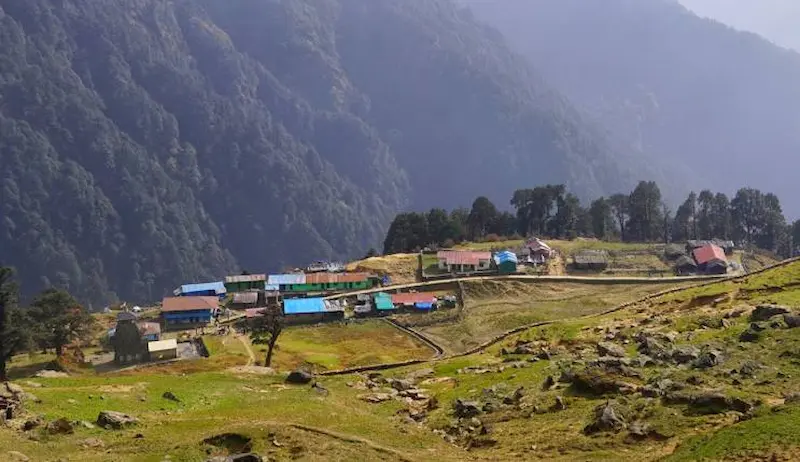
Chakrata — Forested Ridge Environment
Chakrata sits along a quieter Himalayan ridge in Uttarakhand, characterized by pine forests, open valley views, and fewer tourists compared to busy hill stations. Its elevation maintains cooler temperatures for much of the year, supporting longer outdoor sessions and unhurried pacing.
Retreats hosted in Chakrata tend to emphasize rest and quiet space. The surrounding forests create natural walking routes for reflection time, while ridge views provide openness without exposure to heavy tourism traffic.
Sankri — Valley-Based Mountain Retreats
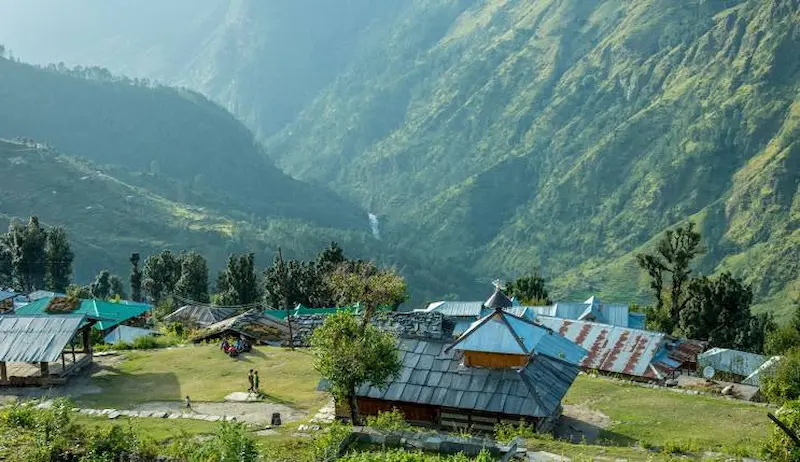
Sankri lies deeper in the Garhwal Himalayas and serves as a gateway to several trekking routes. The surrounding valley landscapes are more expansive and alpine in character, with pronounced seasonal variation.
Retreats hosted in Sankri often include longer nature time, including forest walks and light trekking extensions. The environment supports participants who benefit from movement alongside guided reflection.
Munsiyari — Alpine Frontier and Glacier Country
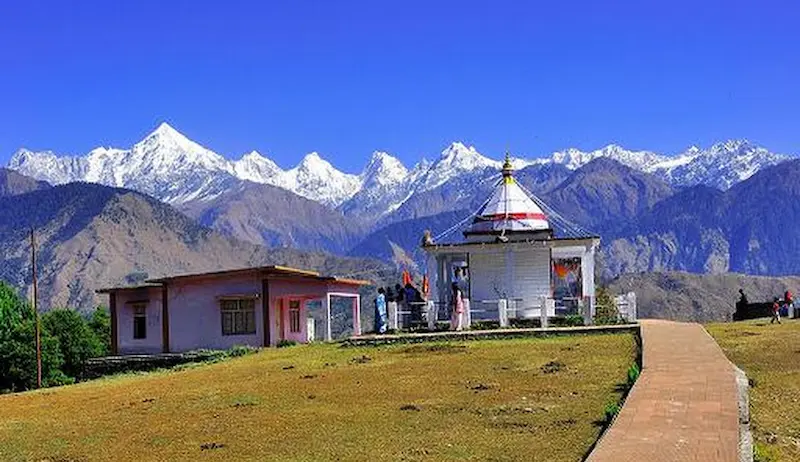
Munsiyari sits at the edge of the Kumaon Himalayas, facing the Panchachuli massif and the glacial systems of the Gori Ganga valley. This is remote high mountain country — less visited, more elemental. The landscape is vast, the light is sharp, and the silence comes from the land itself.
Retreats in Munsiyari suit people drawn to altitude and edge. The environment is raw and exposed, which means inner work here tends to be more intense than gentle.
Rishikesh — Spiritual Tradition on the Ganges
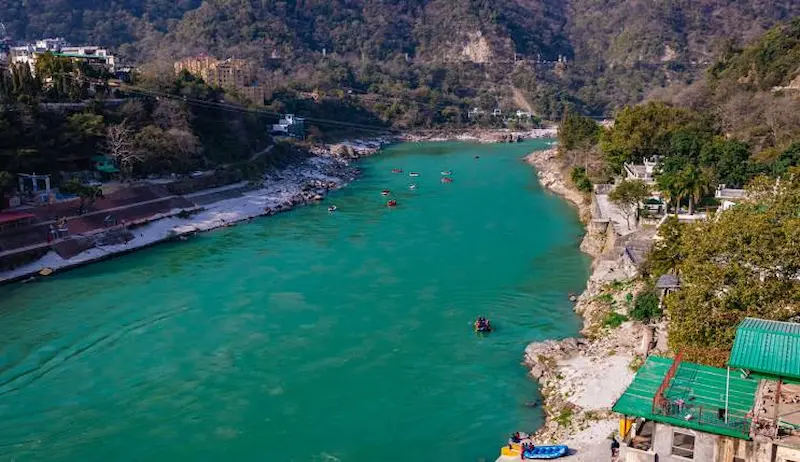
Rishikesh is not a mountain retreat in the alpine sense. It is the spiritual center of the Indian Himalayan foothills — a place where yoga, meditation, and devotional practice have been lived traditions for millennia. The Ganges is not backdrop here; it is presence.
Retreats in Rishikesh suit people seeking connection to living spiritual traditions. Ashram rhythms, evening aarti ceremonies, study of spiritual ideas, and teacher-led practices create a setting that is communal rather than isolated.
Who Himalayan Retreats Are For
Himalayan retreats are not limited to people with experience or long-term spiritual seekers. They are guided spaces for people who recognize the need for planned pause.
They are particularly suited for:
- Professionals experiencing sustained mental fatigue or burnout
- Founders and decision-makers seeking clarity away from work pressure
- Creatives requiring quiet time to think
- Individuals navigating life changes such as career shifts or personal change
- First-time retreat guests seeking guided structure rather than being alone without structure
Retreats in mountain settings are not designed for constant activity. They appeal to individuals comfortable with slower pacing and reflective time. While prior experience in yoga or meditation can be helpful, it is not required in most guided formats.
The common factor among participants is not background — it is intention. Those who benefit most are willing to step away for a short time from routine, reduce digital input, and engage with a guided rhythm designed for reset.
Himalayan retreats are less suitable for individuals seeking travel focused on entertainment or high-effort adventure experiences. While trekking extensions may be included, the main focus remains inward.
Best Time for a Himalayan Retreat
The season shapes both the natural setting and the mental tone of a retreat. While Himalayan retreats operate across much of the year, each season creates a different experience.
Spring (March–May)
Spring offers moderate temperatures, blooming landscapes, and increasing daylight hours. Forest regions are particularly vibrant during this period, making it well suited for retreats that include longer outdoor sessions and light walking practices. Spring retreats often feel balanced — neither intensely introspective nor socially dense — and are generally comfortable for first-time participants.
Summer (June–July)
Summer provides relief from the heat of the plains, especially in mid-altitude Himalayan regions. Retreats during this time attract participants seeking cooler climates and distance from city settings. While some areas may experience monsoon onset toward late July, many retreat locations can still run with changed outdoor plans.
Autumn (September–November)
Autumn is characterized by clear skies, stable weather, and high visibility across mountain ranges. This season is often best for retreats that include light trekking extensions. The post-monsoon clarity deepens time in the landscape, making it a preferred period for participants who value wide mountain views alongside guided practice.
Winter (December–February)
Winter retreats are quieter and more introspective in tone. Cooler temperatures naturally reduce external activity and encourage indoor practice formats, journaling, and longer quiet sessions. For participants comfortable with colder climates, winter retreats can offer deeper stillness and lower tourist density. Access may vary depending on altitude and weather conditions.
Choosing the right season depends less on "ideal weather" and more on personal intention. Those seeking outdoor activity may prefer spring or autumn, while individuals seeking deeper quiet often resonate with winter formats.
How to Choose the Right Himalayan Retreat
Selecting a Himalayan retreat involves more than choosing a location. The structure, duration, and guiding style all shape the experience. Knowing your reason before booking reduces mismatch between expectation and format.
Duration and Intensity
Short retreats of three to four days provide a guided pause without requiring extended time away from work. Longer formats allow more time to settle and go deeper. For a clear comparison, see how to choose the right retreat length. Effort level varies as well. Some retreats follow full-day programming with early starts and guided sessions. Others maintain spacious schedules with extended rest periods.
Physical Movement Level
Not all retreats emphasize physical activity. Some focus primarily on meditation and reflection, while others integrate yoga, forest walks, or light trekking. Participants should assess their comfort with movement at moderate elevation. Retreat descriptions typically clarify whether physical endurance is central or optional.
Group Size and Facilitation Style
Smaller groups often allow more personalized guidance and quieter dynamics. Larger groups may create broader social interaction and shared energy. Facilitation style also differs. Some retreats emphasize guided instruction, while others encourage independent reflection within a clear structure. Reading facilitator profiles and program outlines helps clarify expectations.
Accessibility and Travel Considerations
Travel plans affect the overall experience. Locations closer to Delhi or major transit hubs may suit shorter retreats. More remote valleys provide deeper separation but require additional travel time. Understanding travel time, terrain, and seasonal access supports better planning.
The best retreat choice matches setting, structure, and your goal. Clarity before arrival allows participants to engage fully once the program begins. For a ranked comparison across every category, see our guide to the best retreats in Uttarakhand.
Not sure which retreat is right for you?
Answer five questions. Get your top two matches from the registry — no login required.
Find My Retreat
1 / 5Explore Current Retreat Programs
Rest & Reset
Permission to stop, for people who have been running too long.
Burnout Recovery Retreat in the Himalayas
A weekend mountain retreat designed to help you disconnect from constant work pressure and reconnect with nature, slow living, and meaningful rest.
Yoga Retreats & Movement
Personal-practice Yoga retreats with asana, pranayama, and meditation; current dates and programme details are confirmed by enquiry.
Meditation & Silence
Drop into the depth that silence reveals, with guidance and sanctuary.
Creative Healing Retreat
A guided creative retreat combining art, reflection, gentle yoga, and time in Himalayan nature.
Trek & Paint Retreat
Walk the Himalayas by day, paint what you see by evening — where trail meets canvas.
Weekend Art Retreat
A short-format art retreat in the mountains with guided and independent creative practice.
Sound Healing
Bathe your nervous system in resonance that restores and recalibrates.
Weekend Retreat
A compressed reset for those who need mountain time but have limited availability.
Private & Custom
A retreat designed entirely around your needs, timeline, and intentions.
Frequently Asked Questions
Are Himalayan retreats suitable for beginners?
Yes. Most Himalayan retreats are designed for people with no prior retreat experience. Clear schedules, guided sessions, and facilitator support make the format accessible to first-time guests. While some silent or intensive formats may recommend basic familiarity with meditation or yoga, many retreats welcome beginners and provide modifications as needed.
How far are Himalayan retreat locations from Delhi or Dehradun?
Travel time depends on the location. Mid-altitude Himalayan destinations such as Chakrata can usually be reached by road from Delhi, often suitable for three- to five-day retreats. More remote valleys such as Sankri require longer travel but provide deeper distance from routine. Most retreats provide clear travel guidance in advance.
Is prior yoga or meditation experience required?
No. While prior experience can enhance comfort, it is not required for most guided retreats. Sessions are usually guided with options for mixed levels. Participants are encouraged to engage at their own pace rather than perform at a fixed standard.
What is the difference between a Himalayan retreat and a trek?
A Himalayan retreat is a guided, teacher-led program focused on reflection, rest, and guided practice. A trek emphasizes physical movement and route-based exploration. Some formats combine both elements, but the main focus of a retreat remains inward, while a trek centers on terrain, movement, and endurance.
What should I pack for a Himalayan retreat?
Packing depends on season and altitude. Layered clothing suitable for cooler mornings and evenings is recommended year-round. Comfortable walking shoes, personal medications, reusable water bottles, and basic toiletries are essential. Retreat organizers usually provide clear packing guidance for the location and season.
What is the best time of year for a Himalayan retreat?
Spring and autumn are often preferred for stable weather and clear visibility. Summer offers relief from the heat of the plains in mid-altitude regions. Winter retreats are quieter and more introspective but require comfort with colder temperatures. The ideal season depends on your goal rather than weather alone.
What is the cancellation and refund policy?
Cancellation and refund terms vary by program and are communicated clearly at the time of booking. Most guided retreat programs offer partial refunds for cancellations made within a defined window before the start date. Participants should review program terms before confirming. We recommend reaching out directly for program cancellation guidance.
Is travel insurance recommended for a Himalayan retreat?
Travel insurance is advisable for any Himalayan retreat, particularly for programs in more remote locations. Standard travel insurance covering trip cancellation, medical emergencies, and evacuation is recommended. Participants with existing health conditions should confirm coverage terms with their insurer before travel.
Are Himalayan retreats safe for solo travelers?
Yes. Planned retreat formats are well suited for solo travelers. Programs provide social support through shared meals, group sessions, and guided activities, so participants are not isolated. Most retreat participants attend individually. Solo travel to established retreat locations in Uttarakhand and the broader Himalayan region is common and generally safe with standard precautions.
Are dietary restrictions or preferences accommodated?
Most Himalayan retreat programs serve vegetarian meals as the default. Common dietary preferences such as vegan, gluten-free, or allergen-related requirements can usually be accommodated with advance notice. Participants should communicate dietary needs at the time of registration to ensure suitable arrangements.
What if I have a medical condition — can I still attend?
Many retreat participants have existing health conditions and attend without difficulty, particularly for rest-focused or gentle-movement formats. Participants with serious heart, breathing, or mobility conditions should consult a physician before booking, particularly for higher-altitude locations. Program descriptions outline physical effort levels to help participants assess fit.