For a broader understanding of retreat formats, seasonal considerations, and how mountain programs differ across regions, see our complete guide to Himalayan Retreats in India.
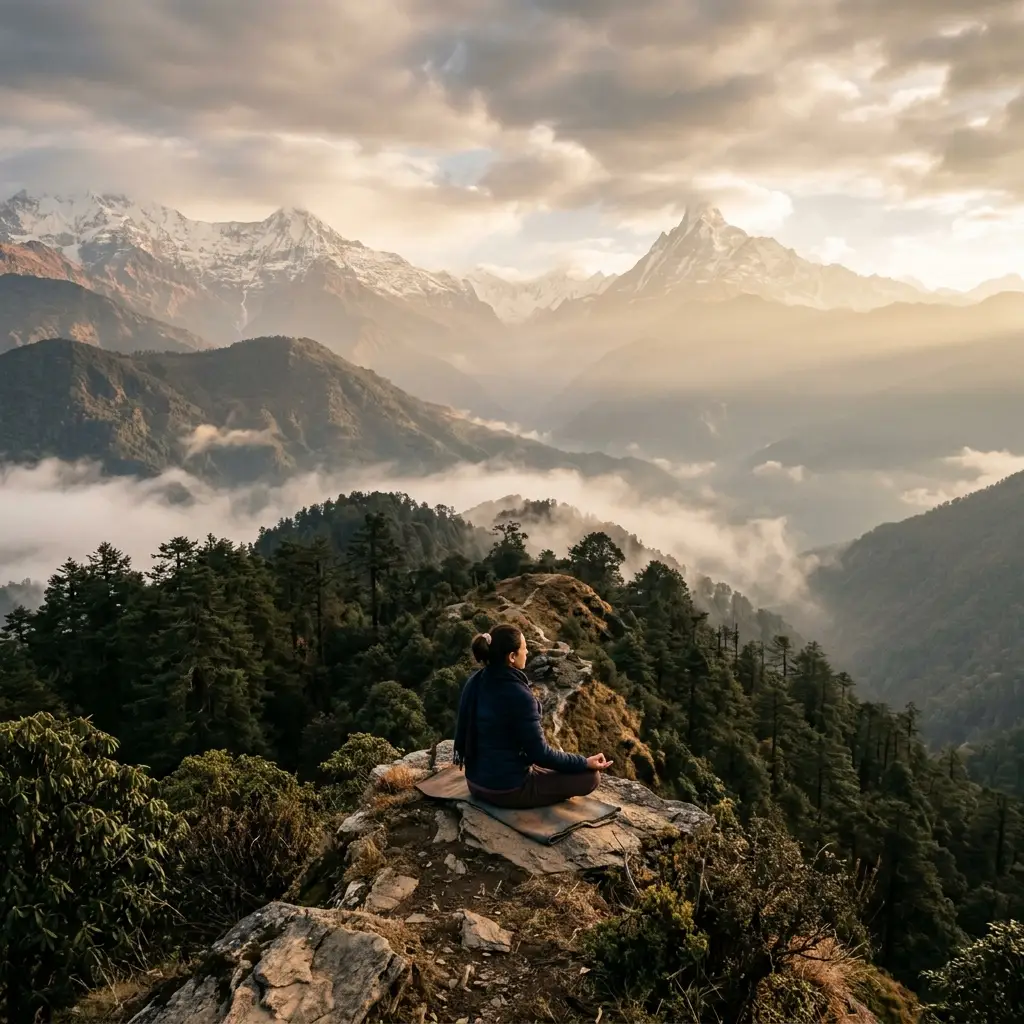
Meditation & Silence
Drop into the depth that silence reveals, with guidance and sanctuary.
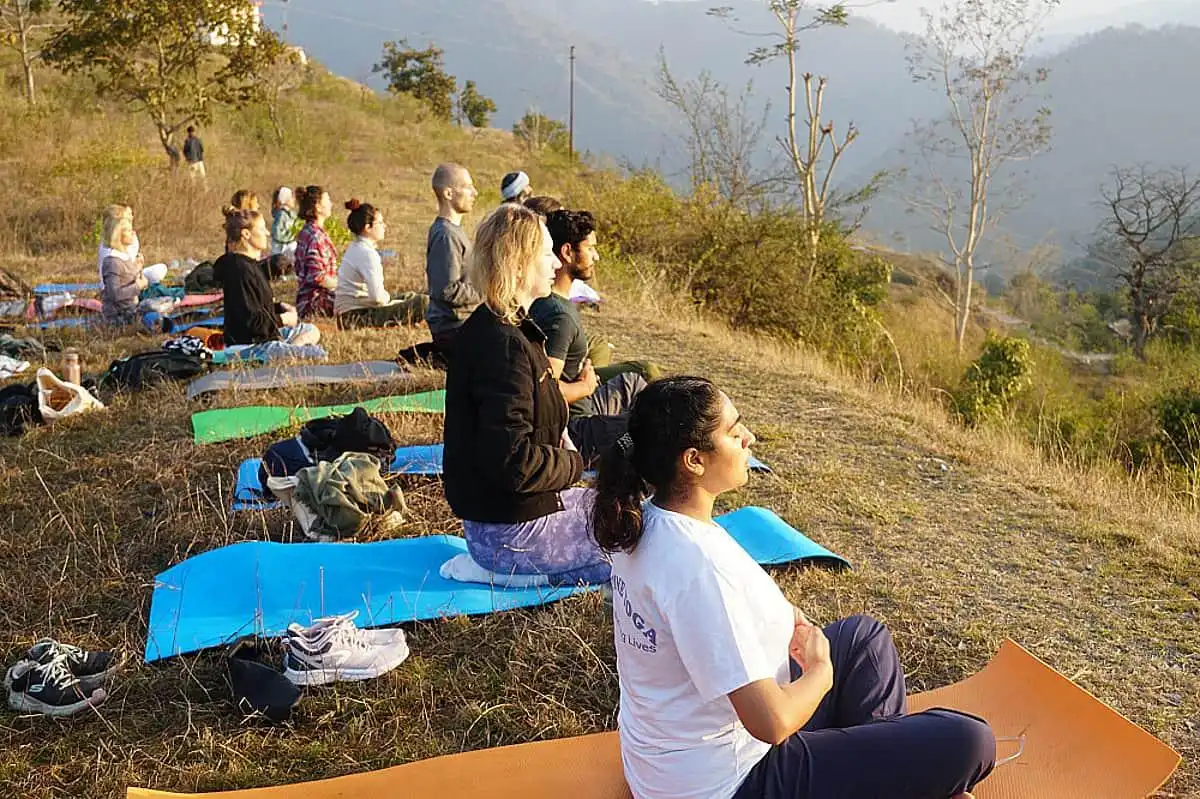
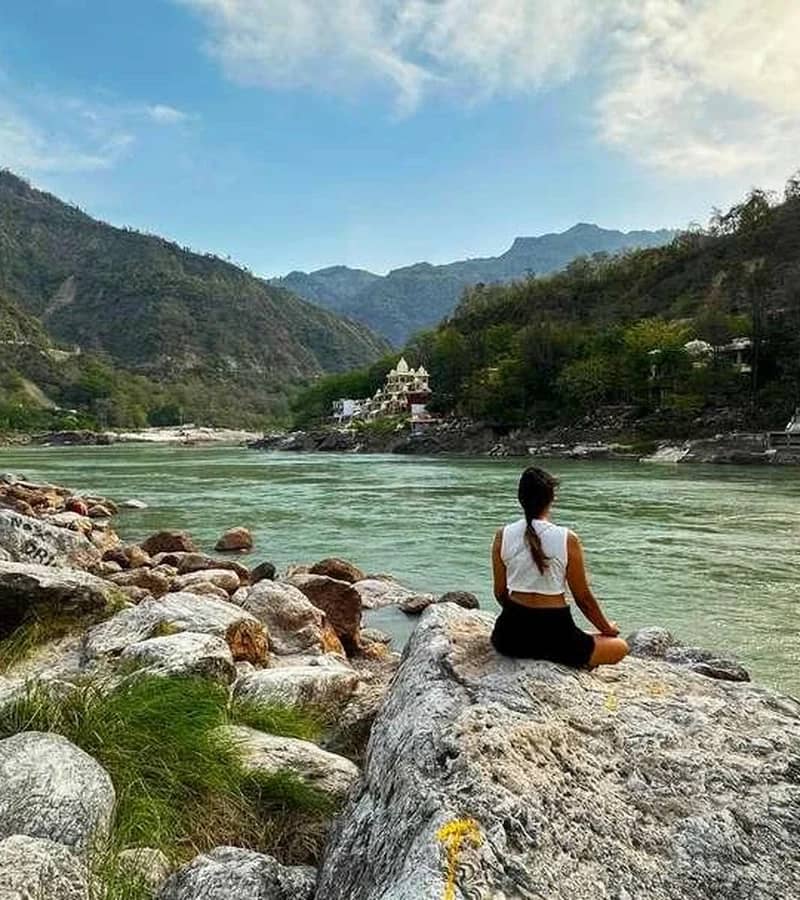
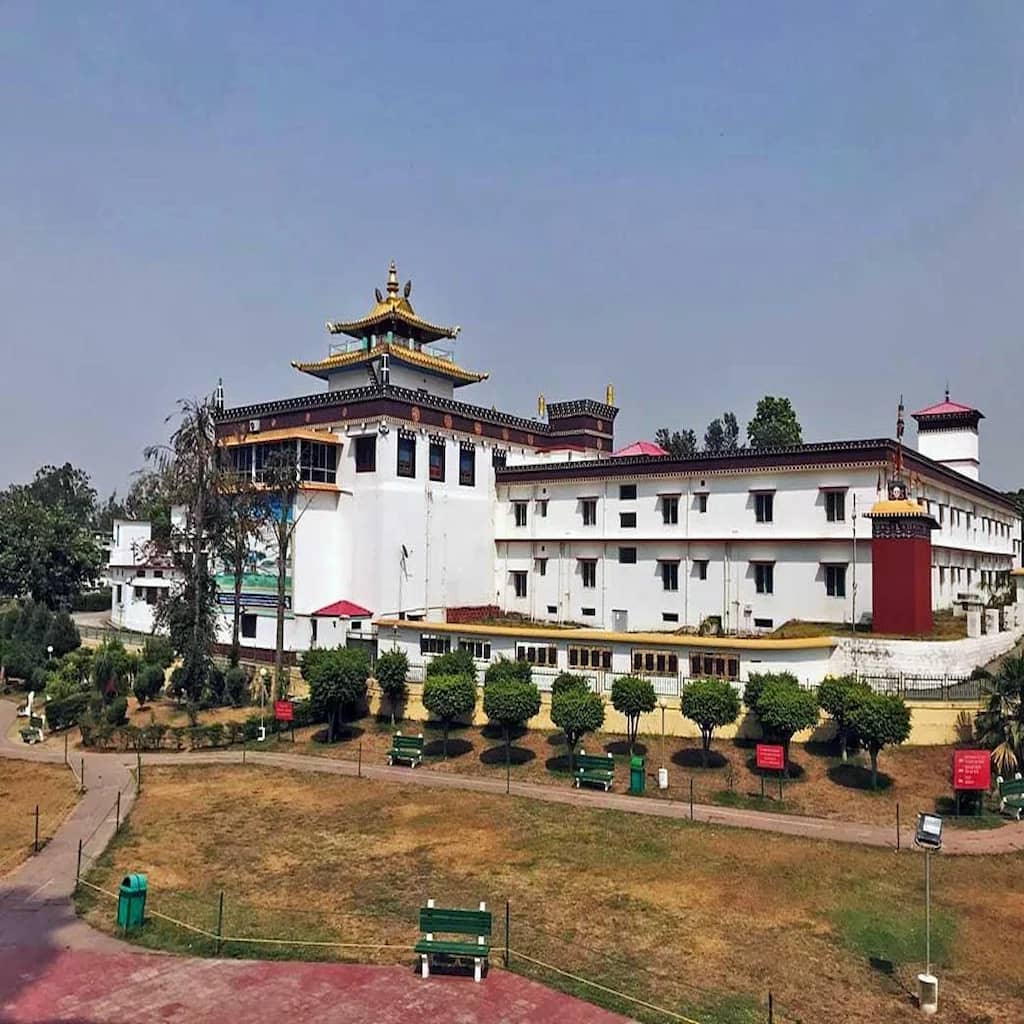
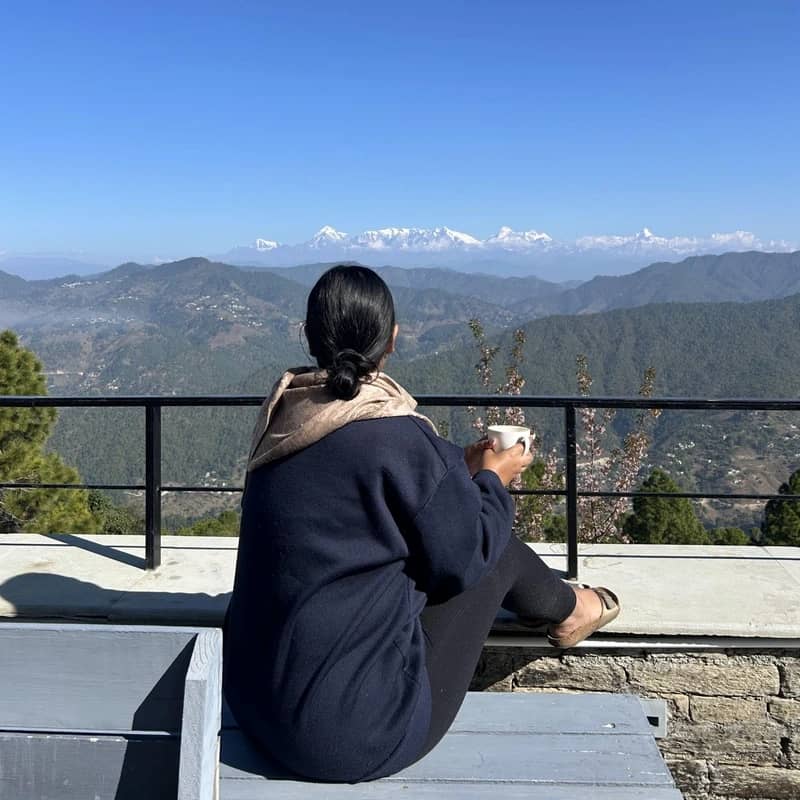
Who Meditation & Silence is for
Want dates, price, and fit?
Talk with us directly — no forms, no commitment. Just a conversation about what you need.
Dates · Starting price · Fit guidance
Ideal fit for Meditation & Silence
- ✓You have been wanting to try meditation but need a structured, guided environment to begin
- ✓You have an existing meditation practice and want to go deeper without daily-life distractions
- ✓You are experiencing mental overwhelm and need genuine silence — not just a quiet room
- ✓You are curious about extended silence but feel intimidated doing it alone
- ✓You want to learn multiple meditation techniques from experienced teachers in one immersive retreat
- ✓You are seeking clarity about a life decision and need space for your own wisdom to emerge
What makes this retreat unique
This is not a meditation class. It is a complete silence container — designed so that every element of the retreat supports your mind in settling: the altitude, the forest, the food, the schedule, and the absence of everything that usually pulls your attention.
Real Silence, Not Simulated
Chakrata's deodar forest at 2,200m altitude has no traffic, no construction, no tourists. The silence is geographic — it surrounds you. Your meditation practice is held by a landscape that is already still.
Guided + Self-Practice Balance
Each day includes both guided meditation with instruction and unstructured self-practice time. This dual approach means beginners never feel lost, while experienced practitioners have space to go deep without constraint.
Walking Meditation in Forest
Not all meditation is sitting. Daily walking meditation through deodar forest paths builds embodied awareness — you learn to carry presence into movement, which is ultimately what you take home.
One-to-One Teacher Access
With a maximum of 12 participants, teachers are available for individual check-ins. This is where the real work happens — personal guidance on the specific challenges arising in your practice.
No Dogma, Multiple Techniques
We teach breath awareness, body scanning, open awareness, and walking meditation. No single tradition is imposed. You discover which approach resonates with your nervous system and take that home.
Experiences during the retreat
Dawn Sitting Practice
The day begins at 6:00 AM with a 45-minute guided sit. In the pre-dawn mountain quiet, your breath is the loudest thing. This first session sets the inner tone for everything that follows. Instruction covers posture, breath anchoring, and working with the arising of thought.
Walking Meditation
A 30-minute walking meditation through deodar forest trails. You walk slowly, deliberately, aware of each footfall. The forest sounds — birdsong, wind through branches, the occasional creak of ancient trees — become part of your meditation object. This practice bridges sitting stillness with embodied presence.
Guided Body Scan
Midday or afternoon sessions often include a guided body scan meditation — systematic attention moving through each part of the body. This practice reveals where you hold tension, emotion, and habitual contraction. Many participants find this the most transformative technique they learn.
Extended Evening Sit
The final practice of the day is typically 30–45 minutes of self-directed sitting. By evening, after a full day of silence and practice, the mind has settled considerably. This session is where depth arrives — where you touch the quality of awareness that exists beneath all thinking.
Silent Meals as Practice
Meals are eaten in silence with full attention. You taste each ingredient. You notice the act of chewing, swallowing, the warmth of chai. Eating becomes meditation. Simple Himalayan food — dal, rice, sabzi, chapati — eaten this way is profoundly satisfying.
Places we explore
Forest Meditation Hall
A simple, warm space surrounded by deodar trees. Windows face the forest. Natural light and mountain air enter the practice space. No artificial distractions — just you and the silence.
Walking Meditation Trails
Quiet forest paths used exclusively for walking practice. Soft needle-covered ground, filtered light through the canopy, and the complete absence of human noise. These paths have been walked in silence by hundreds of practitioners.
Mountain Viewpoints
Open ridge viewpoints used for specific awareness expansion practices. When the eye can see to the horizon, something in the mind expands to match. Used sparingly and intentionally — the view itself becomes a meditation object.
Private Contemplation Spaces
Several outdoor sitting spots around the retreat property — sheltered, private, where you can practise alone. A rock under a tree, a verandah corner, a clearing with sky. The retreat has enough space for genuine solitude.
How it
Days begin early with sitting meditation — 6:00 AM, when the mountain forest is barely light. The morning session builds the day's container. You sit for 45 minutes, then receive guidance and space for questions.
Breakfast follows in silence. Eating with attention — each bite, each flavour, the warmth of chai. This is practice, not downtime.
Late morning offers walking meditation through forest trails, then another sitting session — often self-directed. You practise what was taught, or simply sit and observe your mind.
Midday
Midday brings lunch and quiet rest. Some sit. Some sleep. Some walk slowly. Your body knows what it needs — in silence, you can finally hear it.
Afternoon practice — around 3:00 PM — brings a guided body scan or open awareness session, depending on the group's development.
Dinner arrives simply. Simple mountain food eaten in silence. Evening brings the final sit — typically shorter, but notably deeper and more spacious.
By day three, your mind begins to stabilise. The compulsive chatter quiets. What remains is spacious, clear, and surprisingly warm. This is what you came for.
Where this retreat works best
Primary location: chakrata
Chakrata's deodar forest at 2,200m provides genuine geographic silence — no traffic, no tourists, no noise. The mind settles faster here because the external world has already stopped. This is not simulated silence; it is the real thing.
Also held in
Chakrata
The forest is completely silent. No external noise. No distraction from the inner work. Meditation becomes a natural continuation of the landscape — the boundary between inner and outer stillness dissolves.
Munsiyari
Alpine solitude at the foot of Panchachuli peaks. The thin air itself calms the mind. For experienced practitioners seeking altitude-intensified practice.
Rishikesh
Spiritual ground where meditation traditions have lived for millennia. The Ganges provides a natural sound object. Teacher lineages here are among the world's deepest.
How this adapts
Want to experience this as a trek?
Suggested Trek
Chakrata Weekend Trek
Guided Himalayan trek
The mountainsare waiting.Are you ready?
If you have wondered what your mind is beneath the noise — beneath the planning, the worrying, the replaying, and the rehearsing — come sit with us in the mountain silence. We create the conditions: the forest, the schedule, the guidance, the food, the absence of everything unnecessary. The discovery is entirely yours. And it has been waiting for you.
Start with a conversation
Pricing on enquiryNo forms, no checkout. Tell us what you're looking for — we'll take it from there.Custom pricing based on your plan.
You May Also Consider
- Rest & Reset
Permission to stop, for people who have been running too long.
- Burnout Recovery Retreat in the Himalayas
A weekend mountain retreat designed to help you disconnect from constant work pressure and reconnect with nature, slow living, and meaningful rest.
- Yoga Retreats & Movement
Personal-practice Yoga retreats with asana, pranayama, and meditation; current dates and programme details are confirmed by enquiry.
- Trek & Paint Retreat
Walk the Himalayas by day, paint what you see by evening — where trail meets canvas.
Compare This Retreat
See how this retreat compares to other similar offerings.
Program Profile
Editorial scores across four dimensions. Higher values indicate greater emphasis, not quality.
Frequently Asked Questions
Do I need meditation experience for this retreat?
No. This retreat welcomes complete beginners and experienced meditators equally. Beginners receive step-by-step instruction in breath awareness, posture, and working with distraction. Experienced practitioners receive space and subtle guidance to go deeper. The small group format (maximum 12) ensures personal attention at every level.
How much silence is involved?
The retreat operates in noble silence — no casual conversation, no phones, no reading. Necessary communication with teachers is always available. Most participants find this deeply liberating rather than restrictive. You are not punished for speaking; silence is offered as a gift, not imposed as a rule.
What meditation techniques are taught?
We teach breath awareness (Anapanasati), body scanning, walking meditation, and open awareness practice. No single tradition is imposed — you learn multiple approaches and discover which resonates with your nervous system. The teaching is practical and experience-based, not theoretical.
Is this like a Vipassana retreat?
It shares the emphasis on silence and sustained practice, but differs in important ways: our groups are smaller (max 12 vs 100+), individual teacher guidance is available throughout, multiple techniques are taught rather than one, and the schedule is structured but not rigid. Think of it as the depth of Vipassana with the personalisation of private instruction.
Will I struggle with silence?
Most likely yes, especially on days one and two. Your mind will resist — it will produce urgent thoughts, restlessness, boredom, and perhaps strong emotions. This is normal and expected. Teachers are experienced in guiding people through this. By day three, the quality of your experience typically shifts dramatically. The struggle is part of the process, not a sign that something is wrong.
Where is this meditation retreat held?
Primarily in Chakrata — a quiet forest town at 2,200m altitude in Uttarakhand, surrounded by ancient deodar trees. The silence here is geographic: no traffic, no tourists, no noise. Also available in Munsiyari (alpine altitude) and Rishikesh (spiritual tradition). All locations include pickup from Dehradun.
What is the daily schedule like?
Days run from 6:00 AM to approximately 8:30 PM. You will have 4–5 meditation sessions daily (sitting and walking), silent meals, and rest periods. The schedule provides structure without rigidity — there is genuine space for rest, sleep, and unstructured contemplation between sessions.
Can I combine this with a trek?
Yes. A 2-day trek followed by a 3–5 day meditation retreat is a powerful combination — the physical exertion of trekking creates a natural mental quieting that deepens the silence practice. Both operate from the same Himalayan base in Chakrata. No additional travel needed.
What should I bring?
Comfortable, warm, loose-fitting clothing. A shawl or blanket for meditation sessions (the forest is cool). Personal items. We provide meditation cushions, mats, blankets, and all equipment. Leave books, journals, and devices behind — the practice works best without these familiar refuges.
How is this different from meditating at home?
Radically different. At home, you meditate for 20 minutes then return to stimulus. Here, the silence is continuous — 72 to 168 hours of unbroken quiet. The forest, altitude, and absence of distraction create conditions your home cannot replicate. What takes months of daily practice can arrive in a single multi-day retreat. The depth is incomparable.