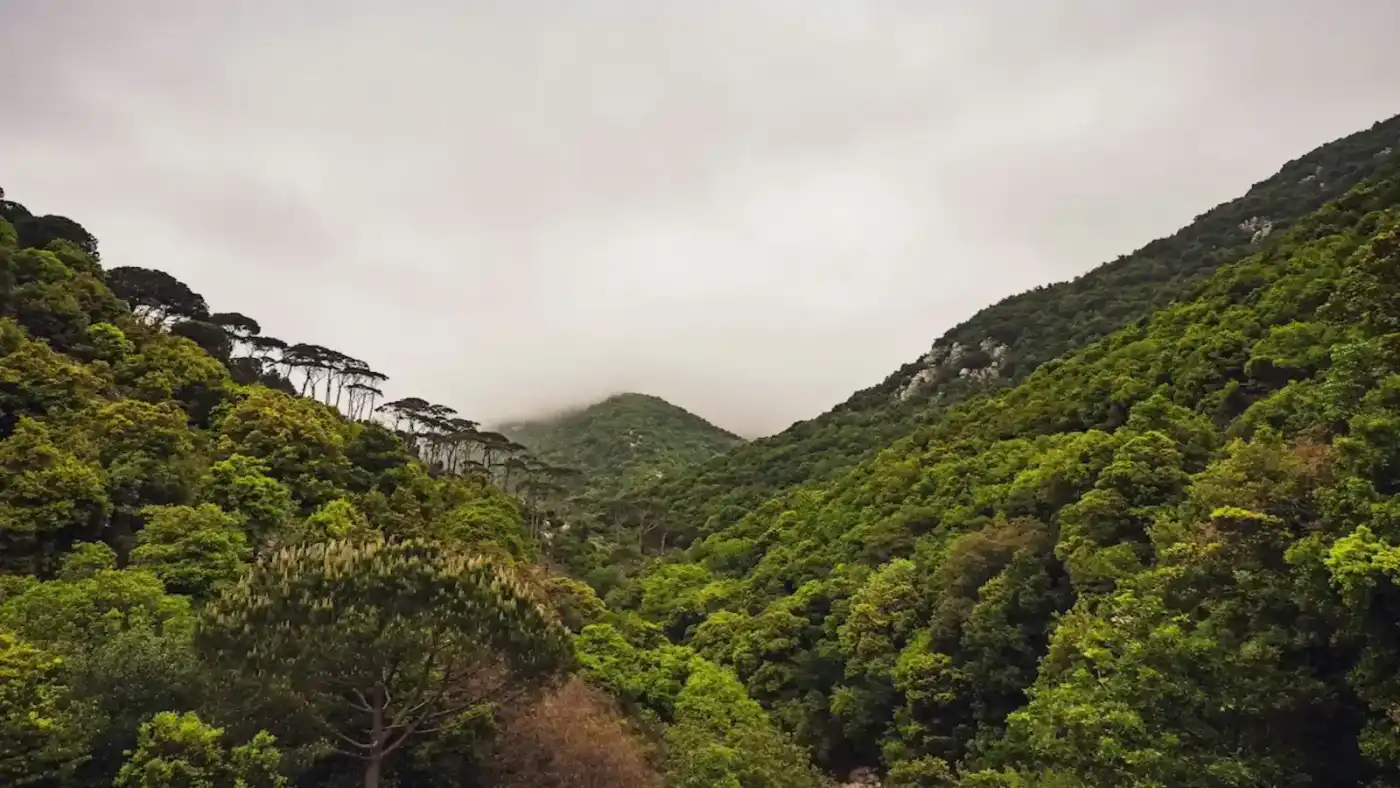
Barsu
Base village for Dayara Bugyal — meadows and Himalayan views.
“Barsu is not just a basecamp; it is a living pastoral village where the rhythm of the Himalayas is completely undisturbed by commercial tourism. At 2,200 metres, it serves as the final settlement before the ancient Gujjar trails climb through thick oak forests to emerge at the vast alpine meadows of Dayara Bugyal.”
Barsu: A Gentle Entry into Garhwal
Unlike the stark, rugged terrain of higher altitude basecamps like Gangotri, Barsu offers a soft, welcoming introduction to Himalayan scale. The village is surrounded by terrace farms and dense pine forests, making it an ideal starting point for those seeking peaceful acclimatization rather than an immediate adrenaline rush.
Why Start the Journey from Barsu
Immediate Forest Access
The trail into nature begins right from the village edge. Within twenty minutes, you leave habitation behind and enter deep oak and rhododendron forests that provide immediate shade and calm.
Undisturbed Village Life
Barsu remains deeply traditional. It is free from the chaotic tourist markets found in other Uttarakhand hubs, allowing you to observe authentic mountain agriculture, architecture, and daily routines.
Gentle Elevation Gain
Sitting comfortably at 2,200m, Barsu allows for excellent early acclimatization without causing altitude stress, preparing the body naturally for the 3,400m climb to the meadows.
Places & Sights
Barsu Village Circuit
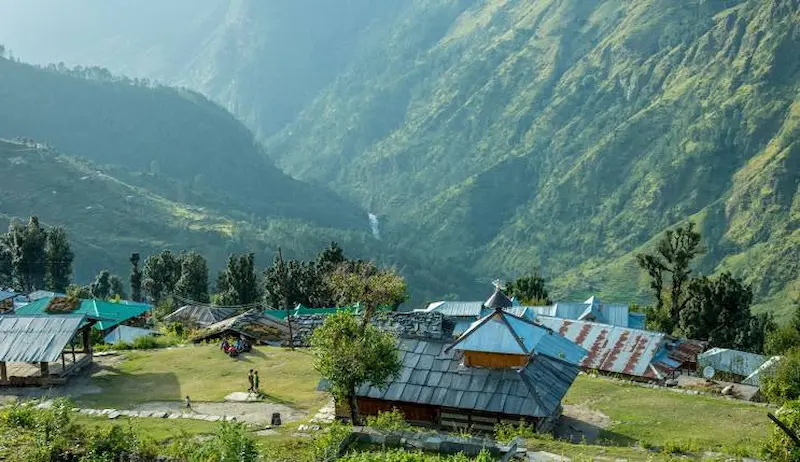
Walk through the village to observe traditional wooden architecture (Koti Banal style), small stone temples, and terraced farming practices that have remained unchanged for centuries.
Best time: Year-round
Barnala Tal
Located a few hours above Barsu, this small natural lake (often frozen in winter) sits at the edge of the forest before the tree-line breaks into the vast meadows of Dayara.
Best time: Best from April to June and Sept to Nov
Bhatwari (En Route)
The nearest small town to Barsu, historically important as a stopover on the ancient pilgrimage route to Gangotri, lying on the banks of the Bhagirathi river.
Best time: Year-round
Soft Experiences
Village Walks
Gentle, unguided strolls through the terraced fields to interact with local shepherds and farmers.
Acclimatization Hikes
Short afternoon hikes up into the lower oak forests surrounding the village to stretch the legs and begin the altitude adaptation process.
Who will Connect with Barsu
Barsu appeals to those looking for a quiet, pastoral mountain experience devoid of heavy commercial infrastructure. It is gentle, traditional, and incredibly scenic.
First-time Himalayan Trekkers
The gentle gradients and pastoral vibe make it incredibly welcoming for beginners or families testing the waters of mountain travel.
Nature Photographers
The contrast of traditional wooden homes against the backdrop of the Shrikanth and Gangotri peaks makes for incredible morning and evening light photography.
Cultural Enthusiasts
Those who want to see how Garhwali communities live, farm, and interact with the seasons without the artificial layer of mass tourism.
The Cultural Significance of Barsu
In the Garhwal Himalayas, villages like Barsu are the last guardians of the pastoral way of life. For generations, the economy and rhythm of this village have been dictated by the movement of sheep and cattle to the high altitude meadows (Bugyals) during the summer, and back down to the valleys in the winter.
Unlike towns that have mutated to serve tourists, Barsu's primary occupation remains agriculture and pastoralism. The architecture reflects this rugged self-sufficiency. Homes are built using traditional interlocking wooden beams and stone, designed specifically to withstand seismic activity and heavy winter snowfall. When you stay in Barsu, you are not staying in a resort town; you are a guest in a working, breathing Himalayan community.
Preparing for the Trail
Because Barsu sits at the very edge of the wilderness, and because it lacks commercial infrastructure, all your trek preparation must be completed before you arrive.
Bring Cash: There are no ATMs in Barsu. The last reliable ATM is in Uttarkashi (about 40 km away). Ensure you have enough cash for any personal expenses or local purchases.
Off the Grid: Expect to lose cellular connectivity. While some BSNL networks occasionally catch a signal, it is best to assume you will be completely disconnected from the digital world for the duration of your stay and trek. Inform your family beforehand.
Layer Up Early: Even in summer, evenings in Barsu can be surprisingly cold as the wind sweeps down from the Dayara meadows. Have your fleece or down jacket readily accessible as soon as the sun drops behind the ridges.
Logistics and Connectivity
Best Seasons
September to December, and March to June.
Accessibility
Accessible via a 7-8 hour drive (180 km) from Dehradun, passing through Uttarkashi. The last stretch of road climbs steadily into the mountains.
Crowd Profile
Extremely low. Primarily visited by trekkers heading strictly to Dayara Bugyal.
Not For
Not for those expecting ATMs, luxury hotels, bustling cafes, or reliable cellular networks.
The Seasons of the Basecamp
December to February — Hushed and Snowy
The village receives its own snowfall, turning paths into white blankets. Temperatures drop significantly, requiring proper winter layering right from the start.
March to April — Vibrant and Blooming
Spring brings a burst of life. The surrounding forests erupt in the red and pink blooms of rhododendrons, and the terraced fields turn vibrant green.
September to November — Crisp and Golden
The post-monsoon months offer the clearest skies of the year. The village is dry, the air is crisp, and the sun feels particularly warm. The distant peaks are visible in high definition.
Barsu has very limited cellular connectivity (BSNL only, erratic). You will likely be offline from the moment you leave Uttarkashi. Power outages are common, so bringing power banks is essential.
Discover the Dayara Bugyal trek, starting from the peaceful village of Barsu.