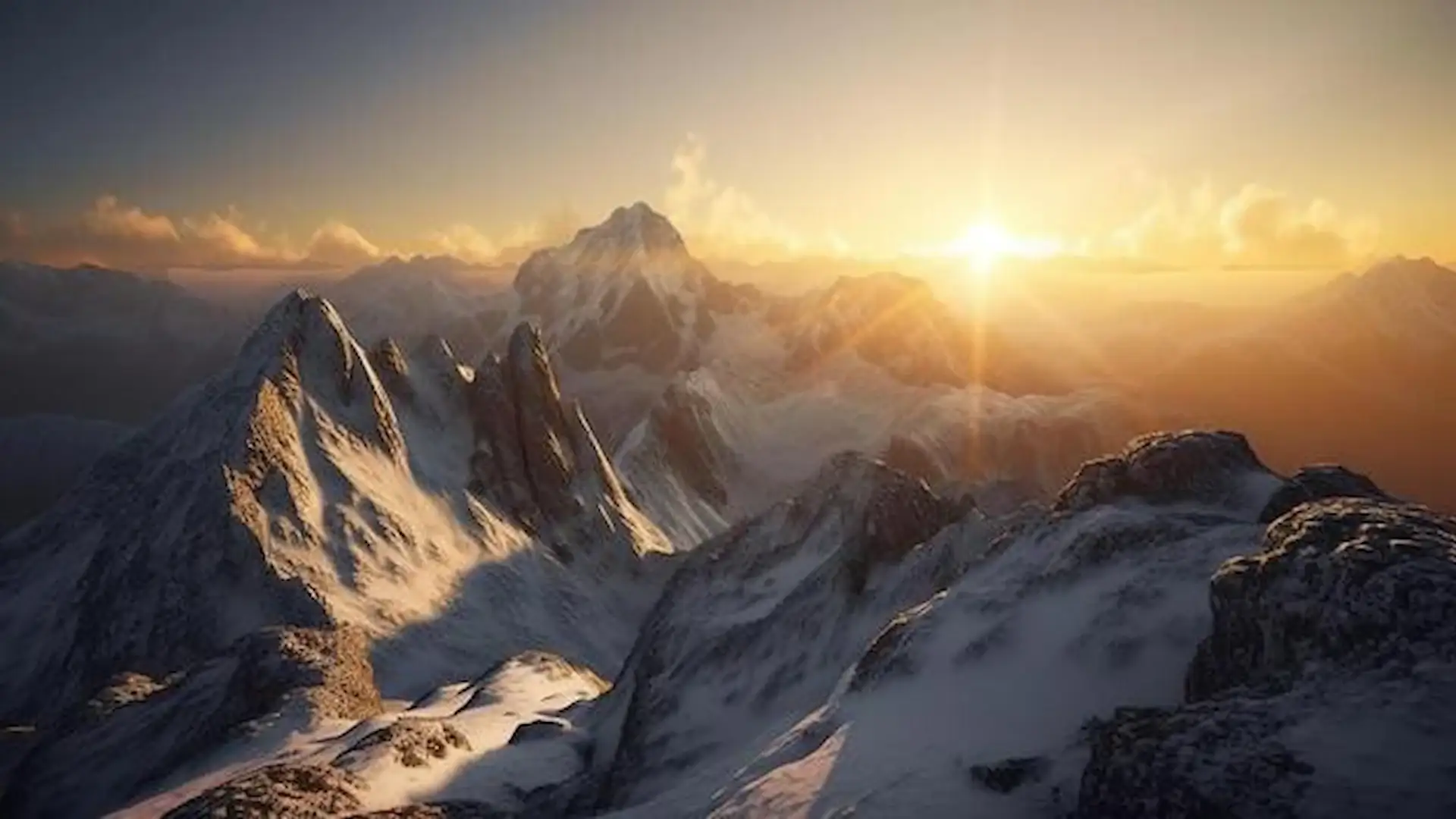
Pick the retreat by what you need most.
These categories are not interchangeable. Rishikesh is strongest for guided yoga, Munsiyari for alpine seclusion, Chakrata for short resets, and Sankri for high-altitude summer calm.
Rishikesh
Instructor depth, daily structure, Ganges-side practice, and year-round yoga culture.
Rishikesh / Munsiyari
Choose Rishikesh for guided programs or Munsiyari for altitude silence and wide horizons.
Munsiyari
Panchachuli views, fewer visitors, premium stays, and a slower alpine retreat rhythm.
Chakrata
Six-hour road access, deodar forest, cool altitude, and simple weekend logistics.
Chakrata / Rishikesh
Choose Chakrata for quiet forest time or Rishikesh for more retreat variety.
Munsiyari / Sankri
High-altitude air, green valleys, snow-peak views, and cooler mountain days.
Rishikesh
Cool mornings, clearer skies, easier access, and reliable winter practice conditions.
Fast rule: choose Rishikesh for technique, Munsiyari for solitude, Chakrata for a short reset, and Sankri when summer heat is the problem.
Match the retreat to your intention.
Ranked winner
01
Best Yoga Retreat — Rishikesh
Why Rishikesh leads for yoga
Rishikesh is the undisputed centre of yoga retreat culture in northern India. The concentration of certified instructors, the range of styles (Hatha, Vinyasa, Ashtanga, Yin, Kundalini), and the Ganges-side practice settings make it the default choice for anyone whose main retreat goal is yoga. Our yoga retreat in Rishikesh guide covers structure, schedules, and instructor profiles clearly.
Rishikesh yoga programs run year-round. Winter mornings are cool and focused. Monsoon (July to September) limits some outdoor sessions but deepens the quieter atmosphere. Spring and autumn are peak seasons — clear weather, moderate temperatures, and the river at its cleanest.
For yoga practice combined with mountain altitude and forest-based retreat time rather than river-valley energy, see the broader yoga retreat in Uttarakhand overview, which includes Chakrata and Sankri options alongside Rishikesh.
Choose your silence: river or alpine.
Meditation retreats split into two different experiences in Uttarakhand. Rishikesh gives structure, teachers, and group support. Munsiyari gives altitude, seclusion, and stillness shaped by the landscape.
Guided practice with structure.
Rishikesh offers guided programs: Vipassana, mindfulness courses, silent retreats with group support, and ashram-based practice rooted in a long teaching tradition. The meditation retreat in Rishikesh guide explains these programs clearly.
- Best for first-timers who want guidance
- Best for lineage, teachers, and daily structure
- Best when you want support around silence
Stillness without performance.
Munsiyari offers something different — altitude silence. At 2,200 metres facing the Panchachuli massif, Munsiyari provides natural stillness that no guided session can match. Fewer visitors, thinner air, wider horizons. Meditation here is landscape-driven rather than instructor-driven.
- Best for people with meditation experience
- Best for solitude, views, and fewer visitors
- Best when landscape itself is the teacher
For a complete view across all meditation-friendly locations, see meditation retreats in Uttarakhand.
Luxury is not marble. It is space.
Luxury in the Himalayas is not about marble lobbies — it is about privacy, views, guided programming, and the absence of crowds. Munsiyari leads this category. Its combination of Panchachuli views, fewer visitors, and premium stays creates a retreat experience closer to a quiet alpine setting than standard hotel luxury.
The luxury Himalayan retreats guide compares premium options across all locations — Munsiyari for quiet alpine luxury, Rishikesh for heritage luxury, and Sankri for remote wilderness comfort.
Privacy
Fewer visitors and more distance from mainstream travel circuits.
Panchachuli views
Alpine scale, long horizons, and a retreat mood shaped by the peaks.
Curated stay
Comfort matters, but the real value is rhythm, silence, and quality of setting.
Low crowd volume
The absence of noise is part of the luxury, not a side benefit.
by road
Close enough for a weekend, high enough to feel like a real mountain reset.
Only have 2 days? Choose Chakrata.
Why Chakrata leads for weekends
For a two-day mountain wellness escape from Delhi, NCR or Chandigarh, Chakrata is the most time-efficient option. Six hours by road, no flight, no complex logistics. At 2,200 metres, it delivers immediate altitude relief — cool air, deodar forest, Himalayan quiet — the moment you arrive.
Our weekend Himalayan retreats guide covers two-day and three-day formats across all locations. For options beyond Chakrata, including Rishikesh and Mussoorie, see the full retreat near Delhi comparison.
Match the retreat to the mountain season.
Season determines which locations are at their peak and which offer off-season value. Summer rewards altitude. Winter rewards access, clear mornings, and steadier retreat schedules.
Summer retreat: Munsiyari / Sankri
Summer (April to June). Munsiyari and Sankri are at their best — green valleys, snow-peak views, temperatures between 15 and 25 degrees while the plains bake above 40.
Winter retreat: Rishikesh
Winter (October to February). Rishikesh is the strongest winter retreat destination — cool mornings sharpen yoga practice, the Ganges is at its clearest, and the valley is uncrowded after monsoon.
Weekend retreat: Chakrata
Shoulder season and short breaks. Chakrata deserves its own seasonal lane because it works when time is the limit. Spring, early summer, and post-monsoon weekends give you cooler forest air without the travel commitment.
Your retreat decision matrix.
Five factors determine the right retreat: duration, budget, effort, landscape, and travel time. Use them together, not separately.
Duration. Two to three days: Chakrata or Rishikesh weekend format. Five to seven days: Rishikesh deep program, Munsiyari deep retreat, or Sankri wilderness stay. Ten days or more: teacher training, silent retreat, or extended personal practice.
Budget. Chakrata and Sankri offer the most affordable mountain wellness experiences. Rishikesh spans every price bracket from ashram-basic to heritage-premium. Munsiyari skews toward the higher end due to its remote setting and limited rooms.
Effort. For guided, instructor-led programs with daily schedules: Rishikesh. For self-directed rest with optional guided sessions: Chakrata or Munsiyari. For a blend of nature time and light wellness programming: Sankri.
Location preference. River energy: Rishikesh. Forest altitude: Chakrata. High-alpine solitude: Munsiyari. Wilderness valley: Sankri. Each landscape shapes the retreat experience deeply.
Travel time. Five to six hours from Delhi: Rishikesh or Chakrata. Eight to nine hours: Sankri. Twelve hours or overnight: Munsiyari. Travel time is the most common limit — if you have only a weekend, your location is decided before you choose a program.
See the complete retreat map. For a clear view of all options by location and program type, see the Uttarakhand retreats overview and the main Himalayan retreats in India directory.
Program styles vary clearly across locations. Rishikesh offers the widest range: Hatha yoga for alignment, Vinyasa for dynamic flow, pranayama-centred breathwork, and guided Vipassana-style silent retreats lasting three to ten days.
Munsiyari and Sankri use a small retreat format. Groups are usually small, with a single lead teacher holding the full program flow. Silent-retreat schedules also reduce group social pressure.
Chakrata programs lean toward weekend-accessible gentle yoga and guided nature meditation rather than detailed technique training. Understanding the difference between ashram-style group instruction, private guidance, and self-directed silent retreats is the most important factor in choosing well.
Final questions before you choose.
These answers clarify the most common decision points: yoga location, near-Delhi access, Munsiyari versus Rishikesh, summer timing, beginner suitability, and ideal retreat duration.
Which is the best yoga retreat in Uttarakhand?
Rishikesh is the best location for a yoga retreat in Uttarakhand. It offers the largest group of teachers, the widest range of yoga styles (Hatha, Vinyasa, Ashtanga, Yin), riverside practice settings along the Ganges, and programs through the year. For a quieter mountain alternative, Sankri and Munsiyari offer yoga programs at higher altitude with smaller groups and forest retreat time.
What is the best retreat near Delhi?
Chakrata is the best retreat destination near Delhi — six hours by road, no flight required. It offers weekend-friendly wellness stays with yoga, meditation, forest walks, and Himalayan stillness at 2,200 metres. Rishikesh is also reachable in five to six hours and offers a wider range of programs. For a two-day escape, Chakrata is the most practical option. For a deeper program, choose Rishikesh.
Is Munsiyari better than Rishikesh for a retreat?
They serve different needs. Munsiyari is better for quiet distance, alpine views, and quiet luxury — it sits at 2,200 metres facing the Panchachuli peaks and receives very few visitors. Rishikesh is better for guided yoga training, instructor access, and yoga tradition and spiritual history. Choose Munsiyari for luxury and solitude. Choose Rishikesh for depth and technique.
Which retreat is best in summer?
Munsiyari and Sankri are the best summer retreat destinations. Both sit above 2,000 metres where temperatures stay between 15 and 25 degrees while the plains exceed 40. Green forests, cool air, and snow-peak views make summer the ideal season for mountain wellness. Rishikesh is warm in summer but still running with riverside programs.
Are retreats in Uttarakhand beginner-friendly?
Yes. Most retreats in Uttarakhand are designed for beginners and do not require prior yoga or meditation experience. Guided programs include basic sessions, personal instruction, and step-by-step difficulty. Chakrata and Rishikesh are the most beginner-friendly locations — accessible, well-supported, and geared toward first-time participants.
How many days are ideal for a Himalayan retreat?
Two to three days works for a weekend reset — enough for a few yoga sessions, guided meditation, and mountain stillness. Five to seven days is ideal for a meaningful change — deeper practice, deep rest, and real distance from routine. For deeper programs such as teacher training or silent retreats, ten days or more is standard. Choose duration based on goal: reset, restore, or transform.