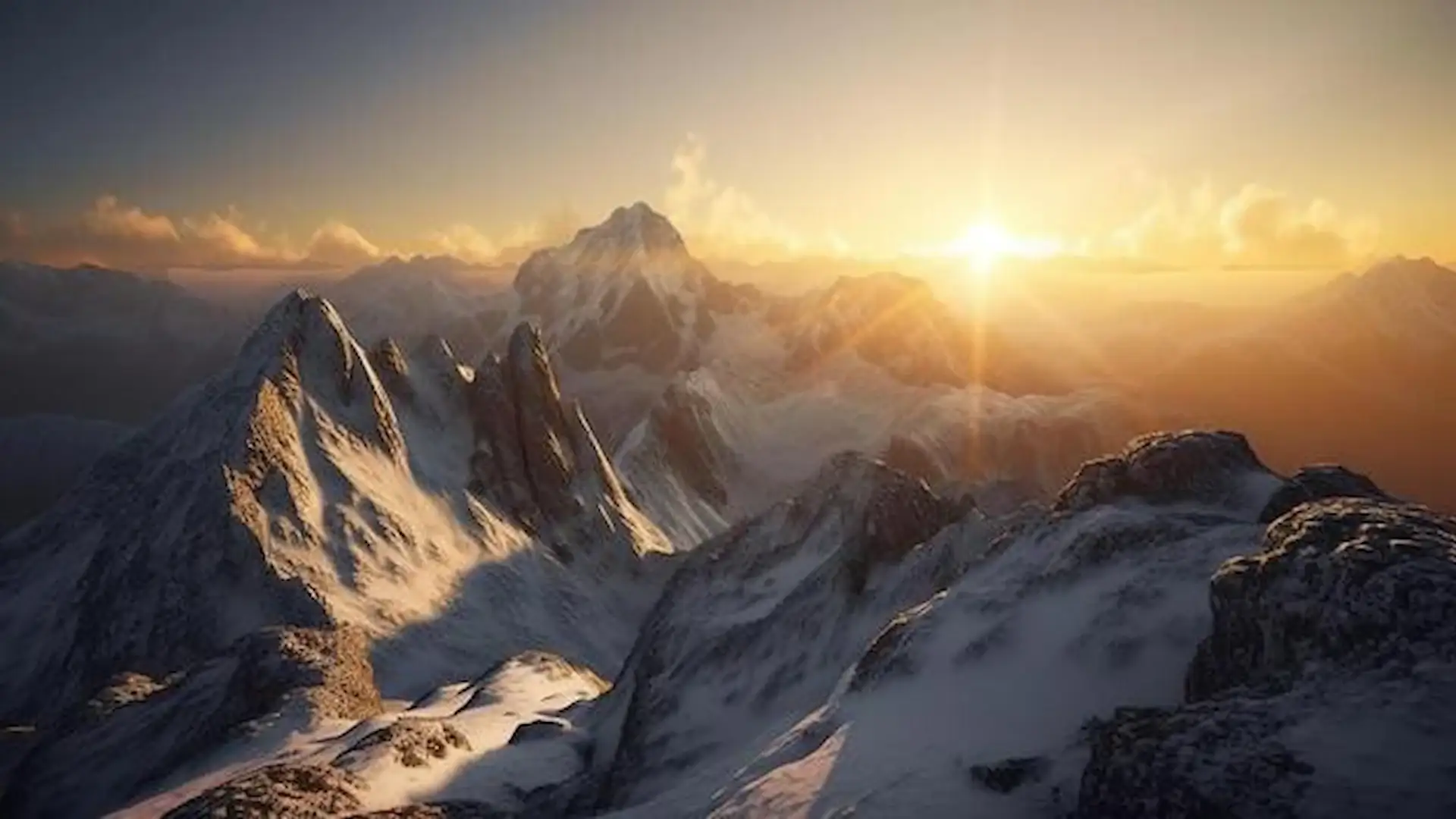
Best Treks in Uttarakhand
Uttarakhand stretches from the foothills north of Delhi to the highest peaks in India — Nanda Devi at 7,816 metres, Kamet, Chaukhamba, and the Panchachuli massif. Across four distinct trekking regions, the state offers a complete spectrum of Himalayan experiences.
All 10 Treks at a Glance
| Trek | Altitude | Difficulty | Days | Best Season | Region |
|---|---|---|---|---|---|
| Brahmatal | 3,850 m | Moderate | 4 | Dec–Mar | Garhwal |
| Kuari Pass | 3,876 m | Moderate | 5 | Mar–May, Oct–Nov | Garhwal |
| Kedarkantha | 3,810 m | Moderate–Challenging | 5 | Dec–Feb | Sankri |
| Har Ki Dun | 3,566 m | Moderate | 5 | May–Jun, Sep–Oct | Sankri |
| Khaliya Top | 3,500 m | Moderate | 3–4 | May–Jun, Sep–Oct | Kumaon |
| Roopkund | 4,800 m | Challenging | 7 | May–Jun, Sep–Oct | Garhwal |
| Pangarchulla | 4,590 m | Challenging | 6 | Mar–May | Garhwal |
| Milam Glacier | 3,450 m | Challenging | 8–10 | May–Jun, Sep–Oct | Kumaon |
| Tiger Fall | ~2,200 m | Easy | 1 | Year-round | Chakrata |
| Budher Caves | ~2,200 m | Easy | 1 | Year-round | Chakrata |
Looking for a beginner trek? Start with Brahmatal or Kuari Pass — both moderate, no technical skills needed. See all beginner treks →
Want a summit challenge? See Pangarchulla or Roopkund — challenging routes above 4,500 m for experienced trekkers. Full challenging treks guide →
Beginner-Friendly Treks in Uttarakhand
These routes require no prior Himalayan experience. They stay below 4,000 metres, have no technical sections, and are supported by established guide infrastructure.
Brahmatal Trek — The Ideal First High-Altitude Trek
A 22 km route from Lohajung to a frozen alpine lake at 3,850 metres, passing through oak and rhododendron forest before emerging onto snow-covered ridges with views of Trishul and Nanda Ghunti. The 4-day duration keeps fatigue manageable. See upcoming Brahmatal trek departures.
Kuari Pass Trek — Best Views for Moderate Effort
Follows the historic Lord Curzon Trail along a high ridge with near-continuous views of Nanda Devi, Dronagiri, Chaukhamba, and Kamet. The view-to-effort ratio is the highest of any trek in Uttarakhand. Compare Brahmatal vs Kuari Pass for the detailed breakdown.
Khaliya Top Trek — Shortest Route to Serious Views
A broad alpine meadow at 3,500 metres above Munsiyari, offering an unbroken 180-degree panorama of the five Panchachuli summits. At 3–4 days, it is the shortest route to genuine high-altitude Himalayan views.
Tiger Fall & Budher Caves — Weekend Day Treks
Tiger Fall (12 km through deodar forest to a major Himalayan waterfall) and Budher Caves (10 km to ancient limestone caves) are the lowest-barrier entry points to Himalayan trekking.
Moderate Multi-Day Treks
These routes offer the core Himalayan trekking experience — multiple days on trail, camping at altitude, and the slow rhythm of walking through changing landscapes.
Kedarkantha Trek — The Classic Winter Summit
The most popular guided trek in northern India. A 5-day route from Sankri to a 3,810 m summit with 360-degree views across six Himalayan ranges. The definitive first summit experience in the Indian Himalayas.
Har Ki Dun Trek — The Valley Immersion
The finest valley trek in northern India — 5 days through the Tons Valley with forest, traditional mountain villages, alpine meadows, and a glacial amphitheatre at the head. Kedarkantha vs Har Ki Dun comparison.
Challenging High-Altitude Treks
These routes require prior high-altitude experience (above 4,000 m), 6–8 weeks of structured fitness preparation, and comfort with steep, exposed terrain.
Roopkund Trek — The Mystery Lake Expedition
India's most iconic high-altitude trek — a 53 km expedition to a glacial lake at 4,800 metres, known for the centuries-old skeletal remains at its shores. The route crosses the vast Bedni Bugyal alpine meadow and navigates moraine fields.
Pangarchulla Peak Trek — The Summit Climb
One of the few accessible true summit experiences in Uttarakhand — a steep snow-and-scree ascent with an alpine start and 360° views of Nanda Devi, Dronagiri, and the Nanda Devi Sanctuary. Crampons required. Compare Roopkund vs Pangarchulla.
Milam Glacier Trek — The Remote Expedition
Uttarakhand's great expedition trek — an 8–10 day, 118 km journey along the ancient Johar Valley trade route from Munsiyari to the glacier snout beneath the Panchachuli massif.
Best Snow Treks in Uttarakhand
Winter transforms the Uttarakhand Himalaya — frozen lakes, snow-laden forests, and summit ridges under continuous white. The best snow season runs December to March.
For a deeper dive, see our winter treks in Uttarakhand seasonal page.
High-Altitude Treks Above 4,000 m
Above 4,000 metres, the landscape changes fundamentally — treeline gives way to exposed moraine and glacial terrain, oxygen pressure drops, and weather windows shrink.
Preparing for routes above 4,000 m? See our 8-week fitness guide for Garhwal treks and the high-altitude treks guide.
Trekking Regions in Uttarakhand
Uttarakhand's trekking landscape divides into four distinct regions, each with its own character, altitude profile, and access logistics.
Garhwal Himalayas
The high-altitude heart of Uttarakhand — accessed from Lohajung and Joshimath. Brahmatal, Kuari Pass, Roopkund, and Pangarchulla offer altitude ranges from 3,850 to 4,800 metres with Nanda Devi Sanctuary views.
Sankri
Base for two of Uttarakhand's most popular multi-day treks: Kedarkantha (winter summit) and Har Ki Dun (summer valley). Reached from Dehradun in 4–5 hours.
Chakrata
Gateway for first-time trekkers and weekend travellers from Delhi. Tiger Fall and Budher Caves stay below 2,500 metres — no altitude concerns, no multi-day gear, no prior experience needed.
Kumaon (Munsiyari)
Remote expeditions with fewer crowds — Milam Glacier (8–10 days along the Johar trade route) and Khaliya Top (3–4 days to a Panchachuli panorama). Deeper cultural layers and genuinely wild terrain.
The Trekking Progression Path
Most successful Himalayan trekkers build experience in stages. The natural progression through Uttarakhand's routes follows altitude and duration:
Tiger Fall or Budher Caves in Chakrata — builds trail confidence with zero altitude risk.
Brahmatal or Kuari Pass — introduces camping, altitude, and multi-day rhythm.
Kedarkantha — adds a genuine summit push and winter snow conditions.
Pangarchulla or Roopkund — sustained exposure above 4,000 m with technical demands.
Milam Glacier — 8–10 days of continuous remote trekking through glacial terrain.
For a detailed training framework, see our beginner-to-advanced trek progression guide and the 8-week fitness preparation plan.
How to Choose the Right Trek
Three questions determine the right route:
When are you going?
December–February: Brahmatal or Kedarkantha (snow treks). March–May: Kuari Pass, Pangarchulla, or Khaliya Top. May–June: Roopkund, Har Ki Dun, or Milam Glacier. September–November: Roopkund, Kuari Pass, or Khaliya Top.
How many days do you have?
1 day: Chakrata. 3–4 days: Brahmatal or Khaliya Top. 5 days: Kuari Pass, Kedarkantha, or Har Ki Dun. 6–7 days: Pangarchulla or Roopkund. 8–10 days: Milam Glacier.
What experience do you have?
First trek: Tiger Fall or Brahmatal. Second trek: Kuari Pass or Kedarkantha. Third+: Pangarchulla or Roopkund. Expedition-ready: Milam Glacier.
Brahmatal — The Perfect First Himalayan Trek
Frozen lake, snow-covered ridges, and Himalayan views. 4 days, moderate difficulty, no technical sections.
Frequently asked questions
What are the best treks in Uttarakhand for beginners in 2026?
The three best beginner treks in Uttarakhand are Brahmatal (3,850 m, 4 days from Lohajung — a moderate winter snow trek with no technical sections), Kuari Pass (3,876 m, 5 days from Joshimath — a panoramic ridge walk on the Lord Curzon Trail), and Khaliya Top (3,500 m, 3–4 days from Munsiyari — a short summit trek with Panchachuli views). For day treks, the Tiger Fall trail in Chakrata requires no prior experience and is completable in a single day.
Which is the best snow trek in Uttarakhand?
Brahmatal is the best snow trek for most trekkers — a 4-day moderate route to a frozen alpine lake at 3,850 m with views of Trishul and Nanda Ghunti. Best from December to March. Kedarkantha (3,810 m from Sankri) is the most popular winter summit trek with a steep final-day push through deep snow. Both are accessible to fit beginners. For experienced trekkers, Pangarchulla offers a challenging snow-and-scree summit at 4,590 m in March–May.
What is the hardest trek in Uttarakhand?
Roopkund is the hardest featured trek — a 7-day, 53 km expedition to a glacial lake at 4,800 m with sustained high-altitude exposure, moraine crossings, and unpredictable weather above 4,000 m. Pangarchulla Peak (4,590 m) is also challenging, requiring an alpine-start summit push through steep snow. Both demand 6–8 weeks of fitness preparation and prior high-altitude experience above 4,000 m. The Milam Glacier trek in Kumaon is the longest at 8–10 days.
How do I choose between Garhwal and Kumaon treks?
Garhwal (Lohajung and Joshimath bases) offers higher altitudes (3,850–4,800 m), dramatic Nanda Devi panoramas, and glacier-lake terrain — best for trekkers seeking classic Himalayan routes. Kumaon (Munsiyari base) offers remoteness, cultural depth (abandoned trade villages on the Milam Glacier route), and fewer crowds. Garhwal routes have better guide infrastructure and shorter approach drives. Kumaon routes reward patience and expedition mindset. Most trekkers start in Garhwal and explore Kumaon later.
When is the best time to trek in Uttarakhand?
October to November is the best overall window — clear skies, dry trails, and peak Himalayan visibility across all regions. For snow treks, December to March (Brahmatal, Kedarkantha). For valley treks and high-altitude expeditions, May to June (Har Ki Dun, Roopkund, Milam Glacier). September to October is the post-monsoon sweet spot for Roopkund and Kuari Pass. Monsoon (July–August) closes all high-altitude routes.
Can I trek in Uttarakhand without a guide?
Short Chakrata trails (Tiger Fall, Budher Caves) can be done independently. All multi-day treks above 3,000 m should be done with guided operators — the routes are remote, rescue infrastructure is minimal, and weather changes rapidly at altitude. Guided treks include permits, safety equipment, meals, and local knowledge. Roopkund, Pangarchulla, and Milam Glacier should never be attempted independently.
What is the cheapest trek in Uttarakhand?
The Tiger Fall day trek in Chakrata is the most affordable — no guide fees, no camping equipment, and no multi-day food costs. Among guided multi-day treks, Kedarkantha (4 days from Sankri) typically offers the best value due to short duration, established infrastructure, and high group-departure availability. Longer expeditions like Roopkund (7 days) and Milam Glacier (8–10 days) cost more due to extended camping, porters, and permit processing.
Which Uttarakhand trek has the best views?
Kuari Pass delivers the highest view-to-effort ratio — near-continuous panoramas of Nanda Devi (7,816 m), Dronagiri, Chaukhamba, and Kamet across 5 days of ridge walking at moderate difficulty. For a single summit panorama, Pangarchulla offers 360° views from 4,590 m. For valley-and-range beauty, the Har Ki Dun alpine meadow amphitheatre is unmatched. Each delivers a different kind of visual reward.