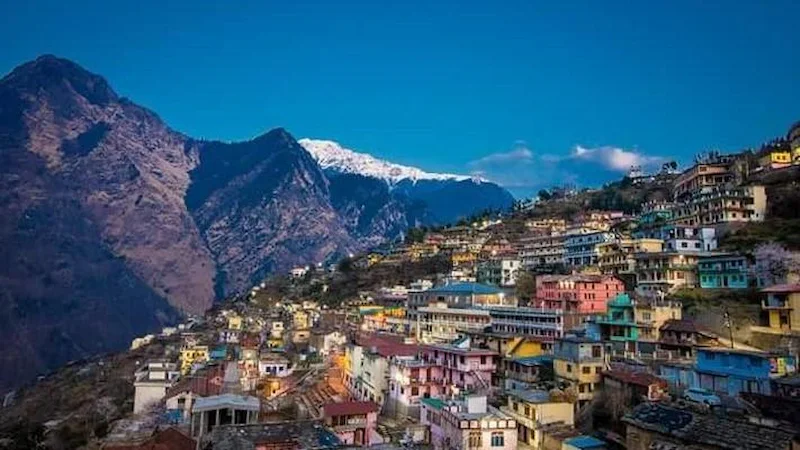
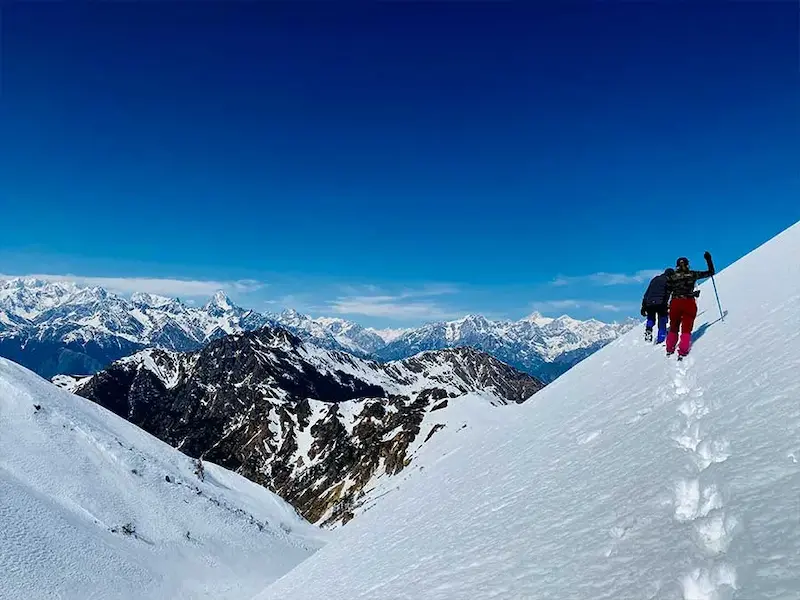
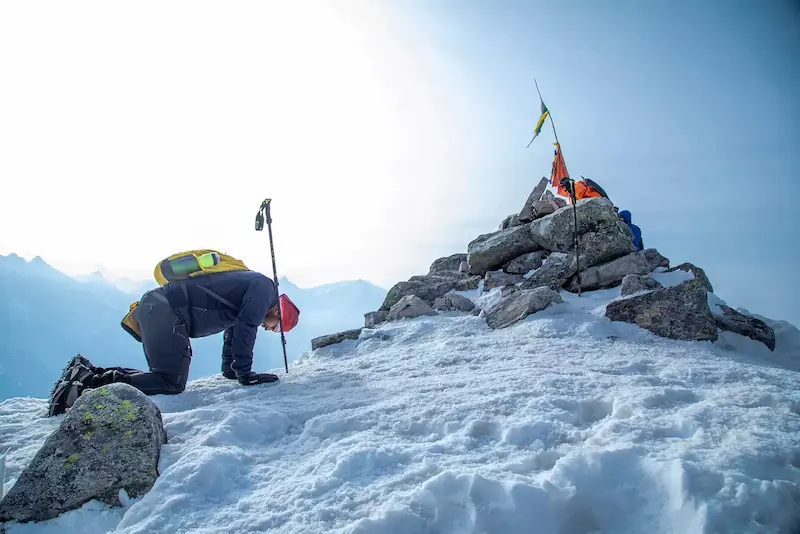
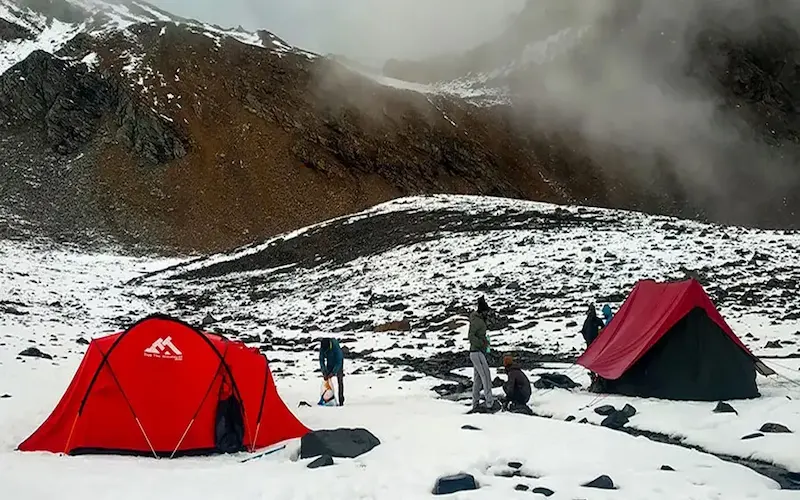
What the Joshimath Terrain Looks Like
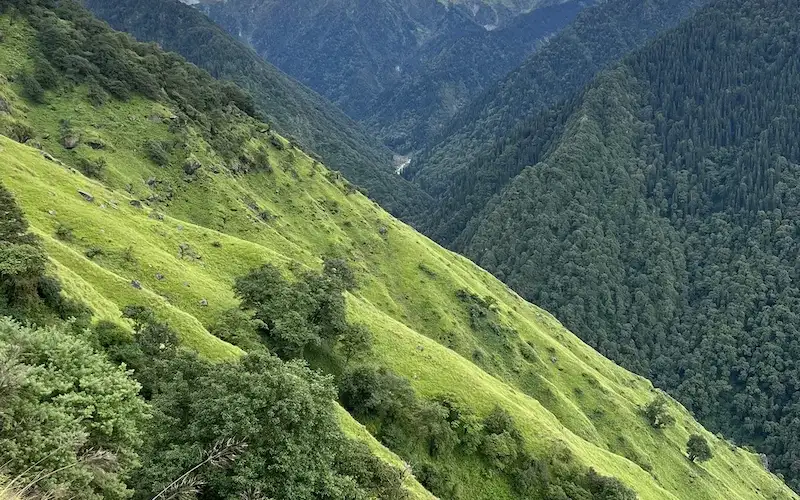
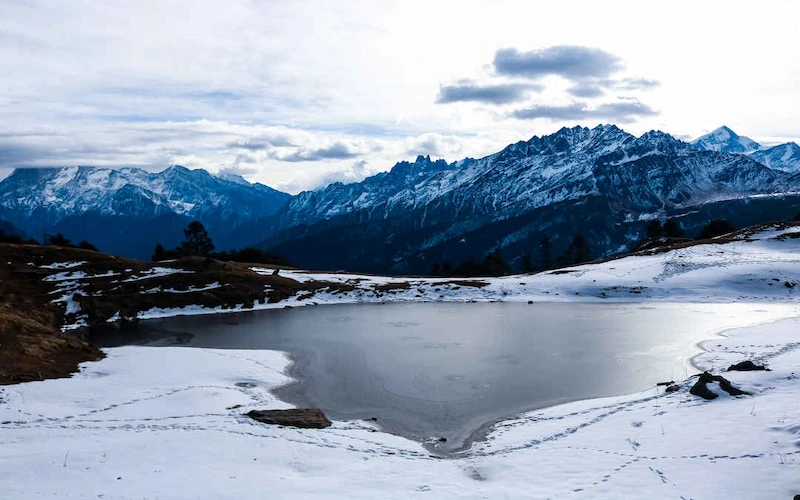
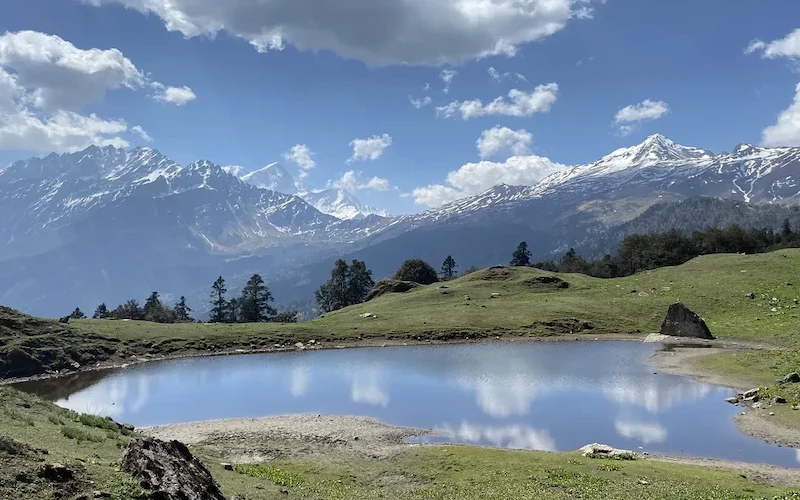
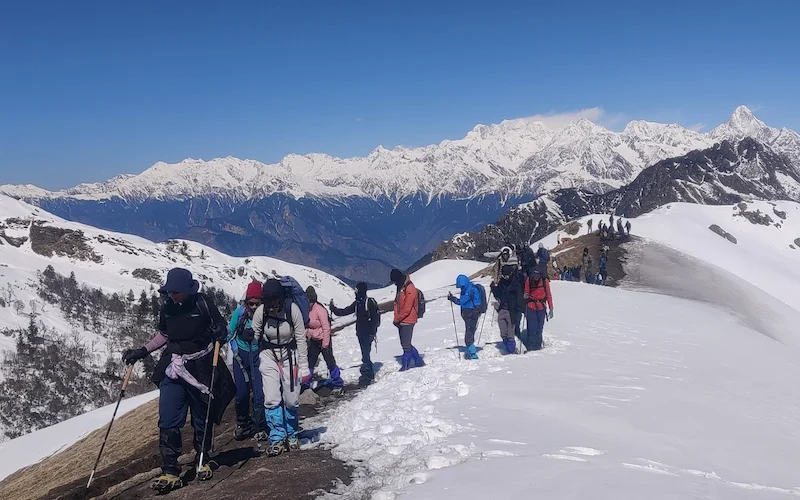
Why Joshimath Is the Gateway to the Nanda Devi Region
Joshimath sits at 1,875 metres on the ancient pilgrim road to Badrinath — a mountain town with a history that predates modern trekking by centuries. It is one of the four cardinal matts established by Adi Shankaracharya and a cultural waypoint on the Char Dham pilgrimage circuit. For trekkers, Joshimath serves a different purpose: it is the most accessible launchpad for routes into the Nanda Devi Sanctuary zone, including the famed Lord Curzon Trail to Kuari Pass and the demanding summit climb to Pangarchulla Peak.
Unlike the remote base villages of Lohajung or Sankri, Joshimath has genuine town infrastructure — hotels, restaurants, shops, ATMs, and a cable car connection to the ski resort of Auli. This makes it a more comfortable staging point, particularly for trekkers combining a trek with visits to Badrinath, the Valley of Flowers, or Hemkund Sahib.
Joshimath is a key base in the Garhwal Himalayas trekking network — connecting the ridge walks and summit routes of Chamoli to the broader Uttarakhand trail system.
Treks from Joshimath
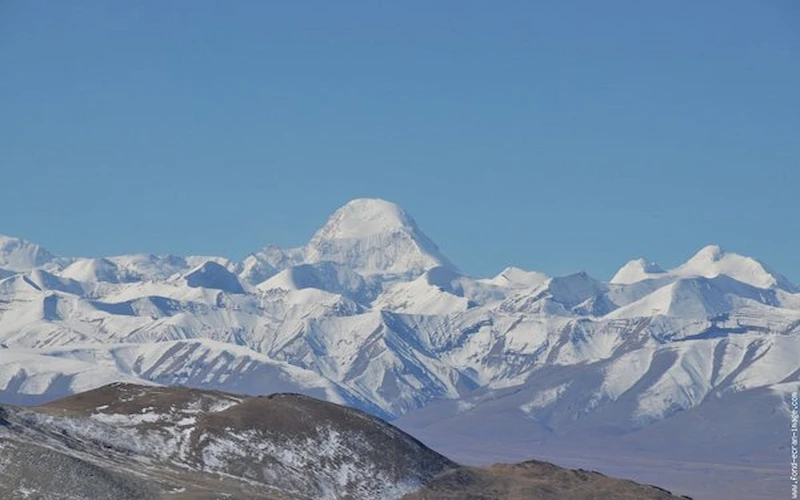
The Kuari Pass Trek is a 5-day, 30 km ridge walk to the historic Kuari Pass at 3,876 metres. First explored by Lord Curzon in the early 1900s, the route follows a high ridge offering near-continuous views of Nanda Devi (7,816 m), Dronagiri, Chaukhamba, and Kamet. Rated moderate with no technical sections, this is widely considered the finest view-to-effort ratio of any trek in Uttarakhand. An excellent choice for trekkers seeking Himalayan grandeur without extreme altitude. Best season: March–May and October–November.
The Pangarchulla Peak Trek extends the Kuari Pass route with a true summit push to 4,590 metres. The final day involves a steep snow-and-scree ascent with a 3 AM alpine start, rewarded by a 360° panorama of the Nanda Devi Sanctuary. Rated challenging, it requires prior high-altitude experience above 4,000 metres and strong fitness. This is one of the few accessible peak summits in the Garhwal Himalaya trekking region. Best season: March–May.
The two routes share common approach trail out of Dhak village, beyond Joshimath. Kuari Pass turns toward Auli on descent; Pangarchulla diverges for the summit push from Khullara camp.
Best Time to Trek from Joshimath
Spring (March–May): The prime window for both Kuari Pass and Pangarchulla. Retreating snow creates excellent conditions for the Pangarchulla summit push in March–April when consolidated snow provides grip. Rhododendrons bloom in the forests below 3,500 metres. Clear mornings with afternoon cloud build-up is the typical pattern. This is the recommended season for most trekkers.
Autumn (October–November): Outstanding for Kuari Pass. The sharpest mountain visibility of the year — the Nanda Devi range appears almost three-dimensional in the clear autumn light. Golden forest colours, crisp temperatures, and far fewer trekkers than spring. Pangarchulla is less reliable in autumn as early snow can make the summit approach unstable.
Winter (December–February): Kuari Pass is feasible for experienced winter trekkers with proper snow gear. Deep snow transforms the ridge walk into a more challenging proposition. Pangarchulla is generally not attempted in deep winter. Joshimath itself remains accessible — the Badrinath road is maintained to Joshimath year-round.
Monsoon (July–August): Not recommended for trekking. However, the Valley of Flowers (accessible from Govindghat, 25 km beyond Joshimath) is in its prime during monsoon — making Joshimath a year-round mountain destination even when treks are suspended.
For more summer trek options across Uttarakhand, see our seasonal guide.
How to Reach Joshimath
From Rishikesh: Joshimath is approximately 270 km from Rishikesh — a 9–10 hour drive via Devprayag, Rudraprayag, and Chamoli on NH-7. Regular GMOU (Garhwal Motor Owners Union) bus services and shared taxis run daily. The road follows the Alaknanda River valley — one of the most scenic mountain drives in India.
From Delhi: Train to Haridwar (4–5 hours) or bus to Rishikesh (5–6 hours), then road transport to Joshimath. Total door-to-door is approximately 14–16 hours. Some guided groups arrange overnight transport to maximise trekking time.
Road conditions: The Rishikesh–Joshimath highway is well-maintained as it serves the Badrinath pilgrim traffic. During monsoon, landslide delays are possible between Rudraprayag and Pipalkoti, but the road is cleared quickly due to its strategic importance. Winter road conditions are generally good — the road stays open to Joshimath year-round.
Accommodation: Joshimath has hotels ranging from budget to mid-range. Unlike remote bases, you can expect attached bathrooms, hot water, and restaurant meals. Most guided treks include one night in Joshimath before the trek. The town also has ATMs, pharmacies, and basic trekking gear shops.
Need help choosing between Joshimath treks?
Get a Free Recommendation →Expert advice · 2-minute response · No obligation
Difficulty & Terrain Overview
Treks from Joshimath span moderate to challenging, with terrain defined by Garhwal's characteristic ridge-and-valley structure:
Forest trails (1,875–2,800 m): Dense oak, rhododendron, and birch forest on well-maintained paths. The approach via Dhak and Gulling is sheltered and gradual — a gentle start that lets you settle into mountain rhythm before gaining altitude.
Ridge walking (2,800–3,876 m): The defining character of Joshimath treks. The Kuari Pass route follows a high ridge running parallel to the main Himalayan chain. This means views are continuous rather than episodic — you walk along the crest with Nanda Devi, Dronagiri, and Chaukhamba arrayed before you.
Summit zone (3,876–4,590 m): Pangarchulla only. Above Khullara camp, the terrain shifts to steep snow and scree. The summit push involves approximately 700 metres of elevation gain from camp in a single day, with an alpine start around 3 AM. Crampons, gaiters, and trekking poles are essential. This is genuine mountain climbing — not trail walking.
Auli descent: Both treks can route their descent through Auli — the ski resort connected to Joshimath by cable car. This adds variety to the return journey and avoids retracing the approach trail.
Joshimath Beyond Trekking
Joshimath is more than a trek base — it is a mountain town with connections to some of Uttarakhand's most significant destinations:
Auli: Connected to Joshimath by cable car (Asia's longest), Auli is Uttarakhand's premier skiing destination in winter and a meadow viewpoint in summer. Many trekkers add a day at Auli before or after their trek.
Badrinath: The holy temple town, 45 km beyond Joshimath on NH-7, is one of the Char Dham pilgrimage sites. Open May–November. Trekkers with cultural interests can visit before or after their trek.
Valley of Flowers: Accessible from Govindghat (25 km past Joshimath), this UNESCO World Heritage Site blooms spectacularly in July–August — the opposite season from trekking. A monsoon visit to the Valley can be combined with a post-monsoon Kuari Pass trek for a double Joshimath experience.
This multi-use character makes Joshimath the most versatile mountain base in the Garhwal Himalayas — useful across all seasons and interests.
Which Joshimath Trek Is Right for You?
Both routes from Joshimath share the same approach via Dhak village, but they diverge into fundamentally different experiences:
Choose the Kuari Pass panoramic ridge walk if: You want the widest Himalayan panorama relative to effort, this is your first high-altitude Himalayan trek, you prefer spring or autumn dates, or you value a historic trail (the Lord Curzon route). Kuari Pass is widely considered one of the finest summer treks in Uttarakhand.
Choose the Pangarchulla summit challenge if: You have completed Kuari Pass or an equivalent moderate trek above 3,800 m, you want a true peak summit with crampons and an alpine start, you thrive on concentrated high-intensity climbing days, or you are trekking in March–May.
For a detailed breakdown, see our moderate trek comparison (Brahmatal vs Kuari Pass) or the challenging trek comparison (Roopkund vs Pangarchulla).
Both routes feed into the Garhwal Himalayas trekking progression — a structured path from moderate to challenging that builds altitude confidence with each trek.
Frequently Asked Questions
Is Kuari Pass suitable for beginners? Yes. Kuari Pass is moderate difficulty and is one of the best choices for a first serious Himalayan trek. The route stays below 3,900 metres with no technical sections. Basic fitness — ability to walk 8–10 km daily on uneven terrain — is sufficient.
Do I need mountaineering gear for Pangarchulla? Crampons, gaiters, and trekking poles are essential for summit day. Guided operators provide safety equipment. You should bring a 4-season sleeping bag and layered clothing rated to −10°C. Prior high-altitude trekking experience is strongly recommended.
Can I do both Kuari Pass and Pangarchulla in one trip? Yes — Pangarchulla extends the Kuari Pass route. Some itineraries combine both, reaching Kuari Pass on day 3 and pushing to Pangarchulla summit from Khullara camp. This requires an additional 1–2 days and significantly more fitness.
Is Joshimath safe after the subsidence events? The subsidence (land sinking) that affected central Joshimath in 2023 impacted the town's core residential and commercial areas. The trekking routes to Dhak, Kuari Pass, and Pangarchulla are on different geological formations and were not affected. Guided operators continue to run full seasons from Joshimath. The approach road remains open year-round.
What is Chakrata like compared to Joshimath? Chakrata is a weekend destination at 2,250 m — close to Dehradun, easy forest trails, no high-altitude exposure. Joshimath is a serious trekking base giving access to 3,800–4,600 m routes. Choose Chakrata for a quick escape; choose Joshimath when you want genuine Himalayan scale.
Why Joshimath Is a Premier Trekking Destination
Joshimath has become one of the most popular trekking bases in Uttarakhand because of its unique combination of accessibility, varied terrain, and transformative mountain experiences. Whether you are looking for your first Himalayan trek or a challenging multi-day expedition, Joshimath offers routes suitable for all fitness levels and ambitions.
Talk to a Joshimath Local Expert
Not sure which Joshimath trek is right for you? Our local team can help you choose the best route based on your fitness, schedule, and previous experience.
Free consultation · No spam · Local team