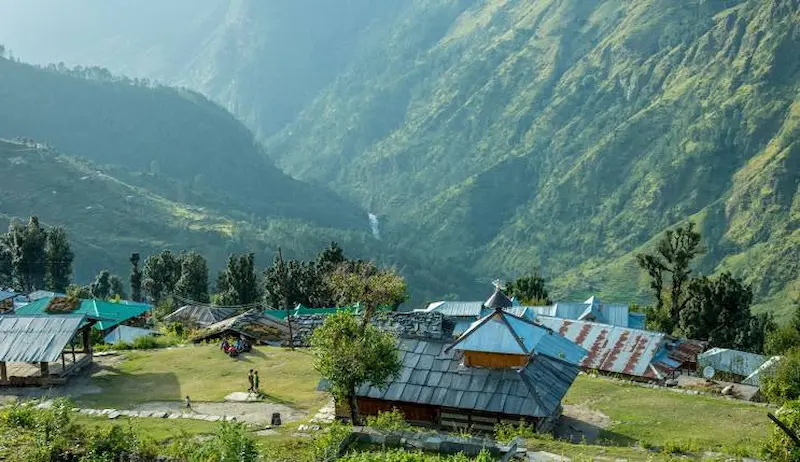
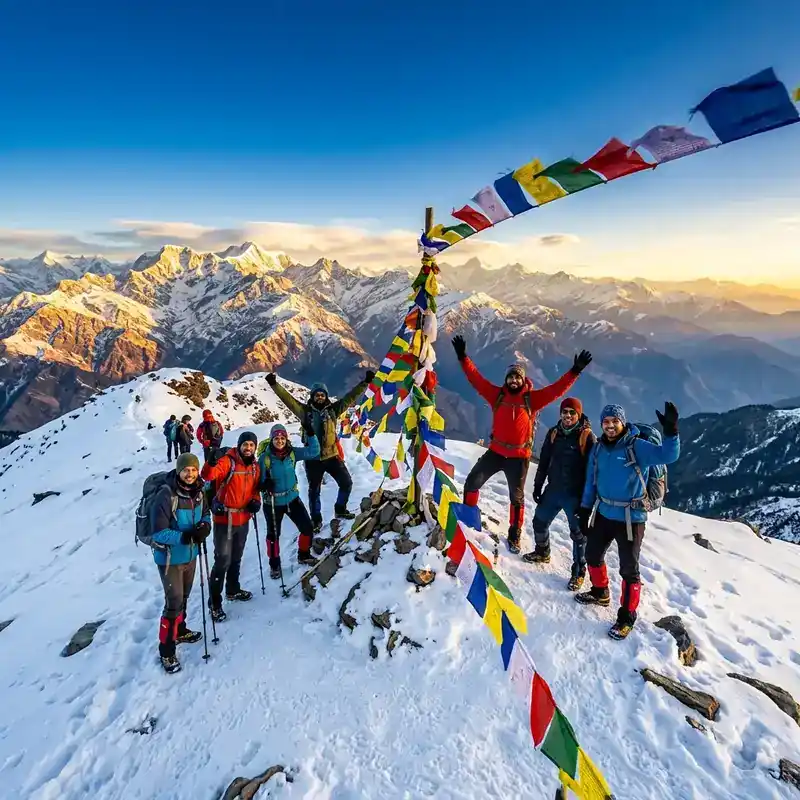
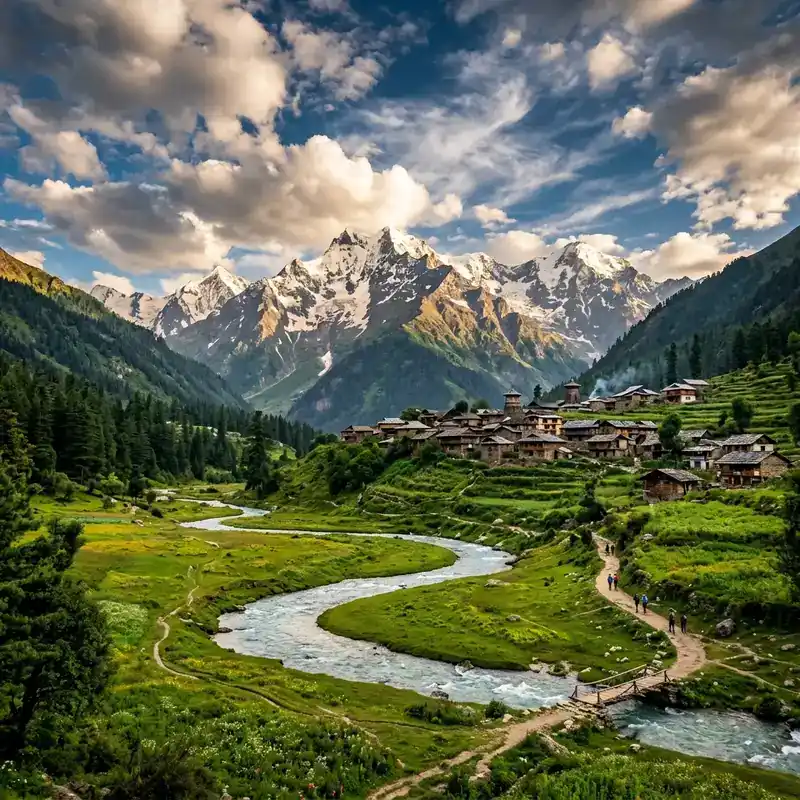
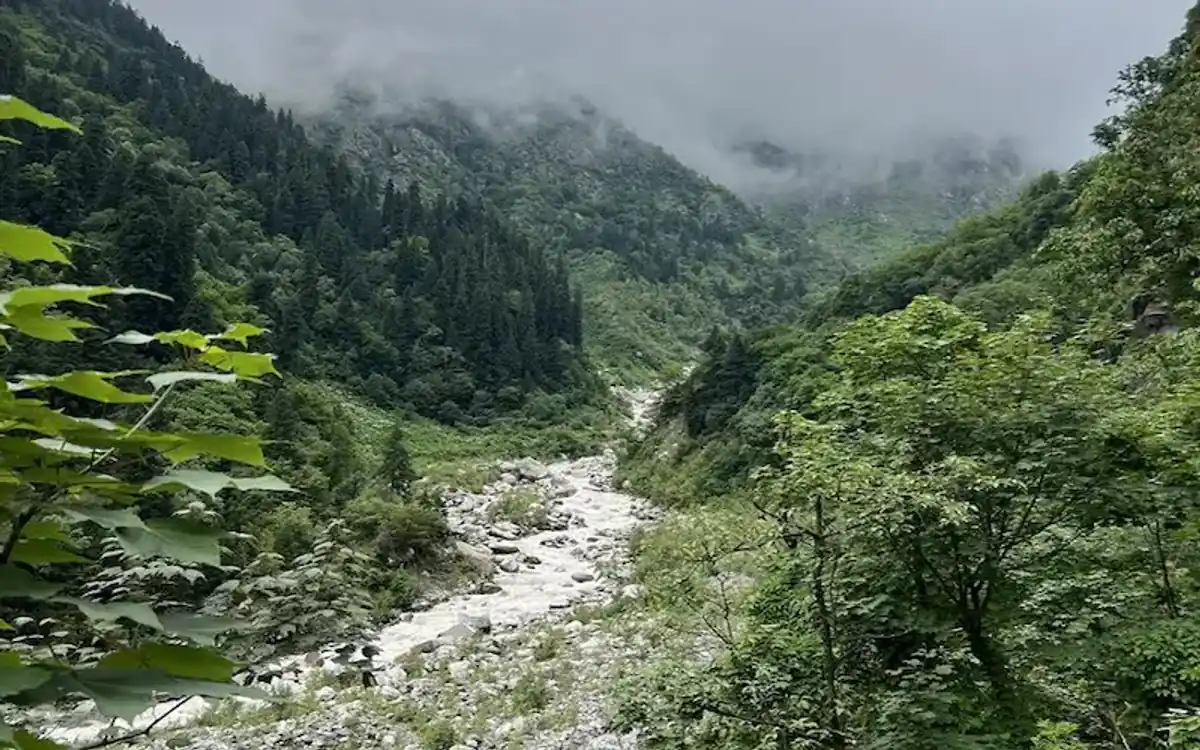
What the Sankri Terrain Looks Like
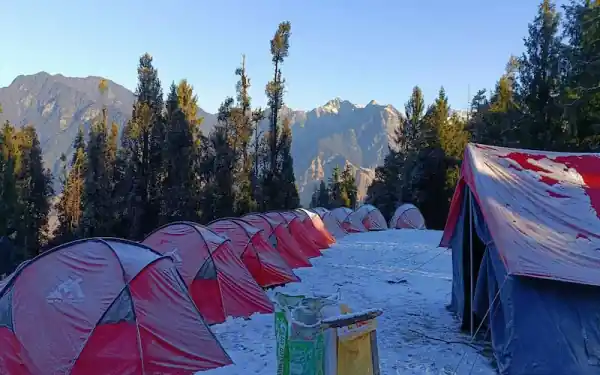
Why Sankri Is a Major Trekking Base in Uttarakhand
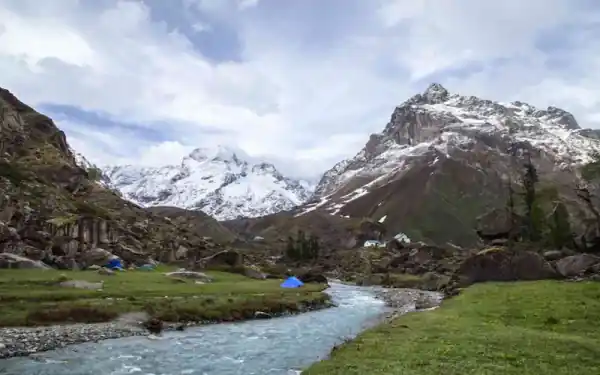
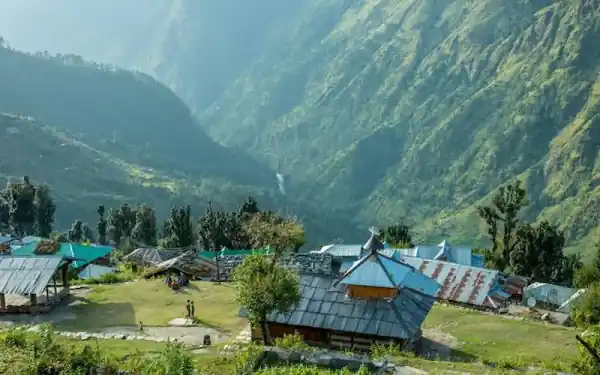
Sankri sits at approximately 1,950 metres in the Tons Valley of Uttarakhand, within the buffer zone of Govind Pashu Vihar National Park. The village serves as the primary basecamp for several of India's most celebrated Himalayan treks. The Supin River runs through the valley below, feeding alpine meadows (locally called bugyals) that stretch up to 3,800 metres and beyond.
What makes Sankri exceptional as a trekking base is its combination of accessibility and genuine remoteness. Unlike towns closer to Mussoorie or Rishikesh, Sankri retains the character of a working mountain village — no tourist strip, no commercial noise. Yet it is reachable by road from Dehradun in a single day, making it practical for guided expeditions departing from Delhi or Chandigarh.
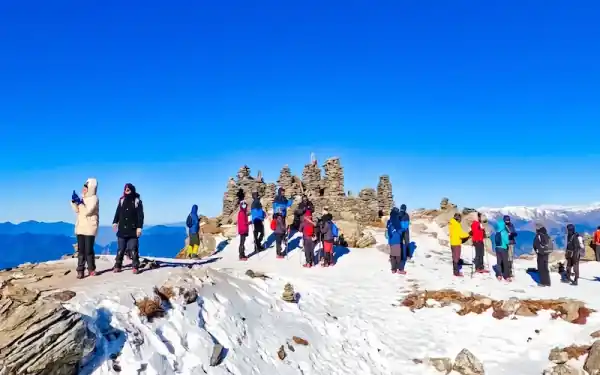
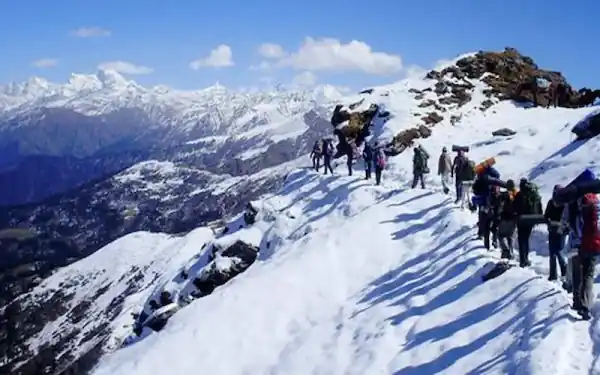
The terrain around Sankri is remarkably diverse: dense oak and rhododendron forests at lower elevations give way to open meadows, moraines, and snow-covered ridgelines above the treeline. This range supports treks from moderate valley explorations to challenging winter summit attempts — all originating from the same basecamp.
Best Time to Trek in Sankri
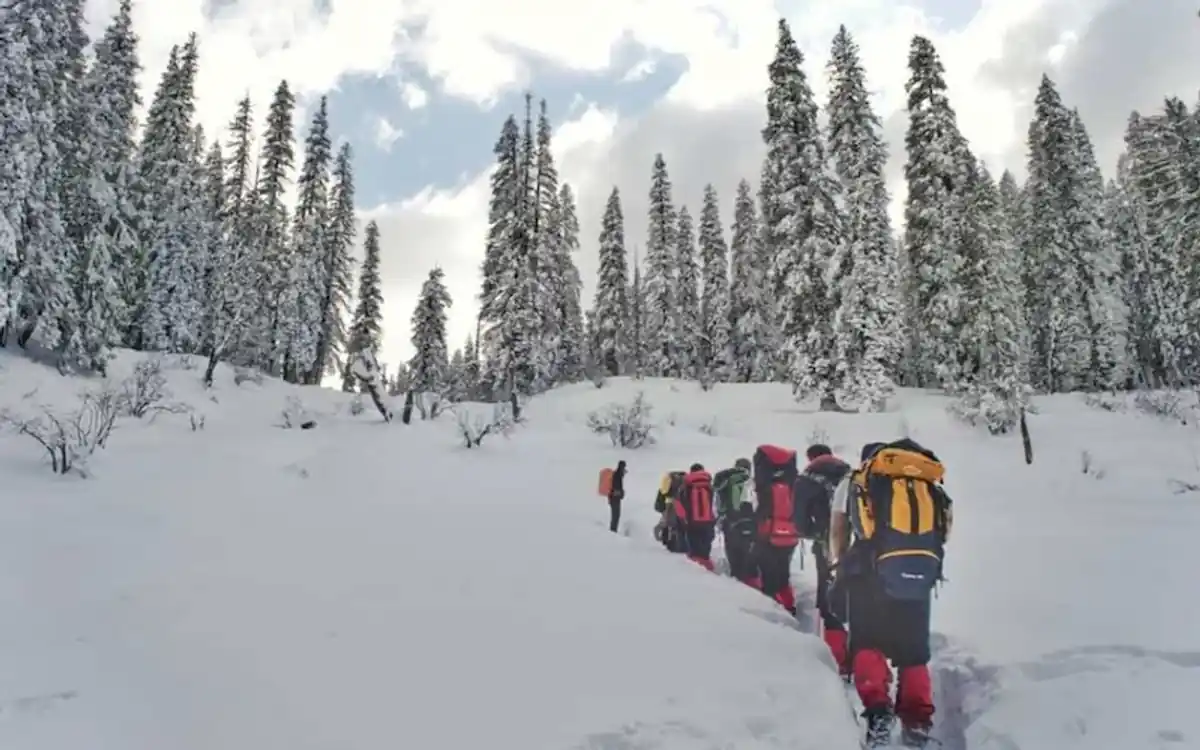
Winter (December–February): The premier season for snow treks. Kedarkantha and surrounding ridges receive reliable snowfall, creating conditions ideal for summit attempts. Night temperatures drop to −10°C at higher camps. This is peak season for guided groups and requires proper cold-weather gear.
Spring (March–April): Snow begins to recede at lower elevations. Rhododendron forests burst into bloom between 2,500–3,200 metres, creating one of the most visually striking trekking windows. Trails are quieter than winter, and temperatures are mild during the day.
Summer (May–June): Clear skies and long days make this the best window for high-altitude exploration and photography. Snow persists only above 3,500 metres. The Har Ki Dun valley is particularly rewarding in early summer when wildflowers carpet the meadows.
Monsoon (July–August): Not recommended. Heavy rainfall makes trails slippery and river crossings dangerous. Leeches are active in forested sections. Road access from Dehradun is frequently disrupted by landslides.
Autumn (September–November): Golden meadow grasses, crisp air, and excellent visibility. A quieter alternative to winter with fewer groups on the trail. Early snow may appear on higher ridges by late November, offering a preview of winter conditions.
Popular Treks from Sankri
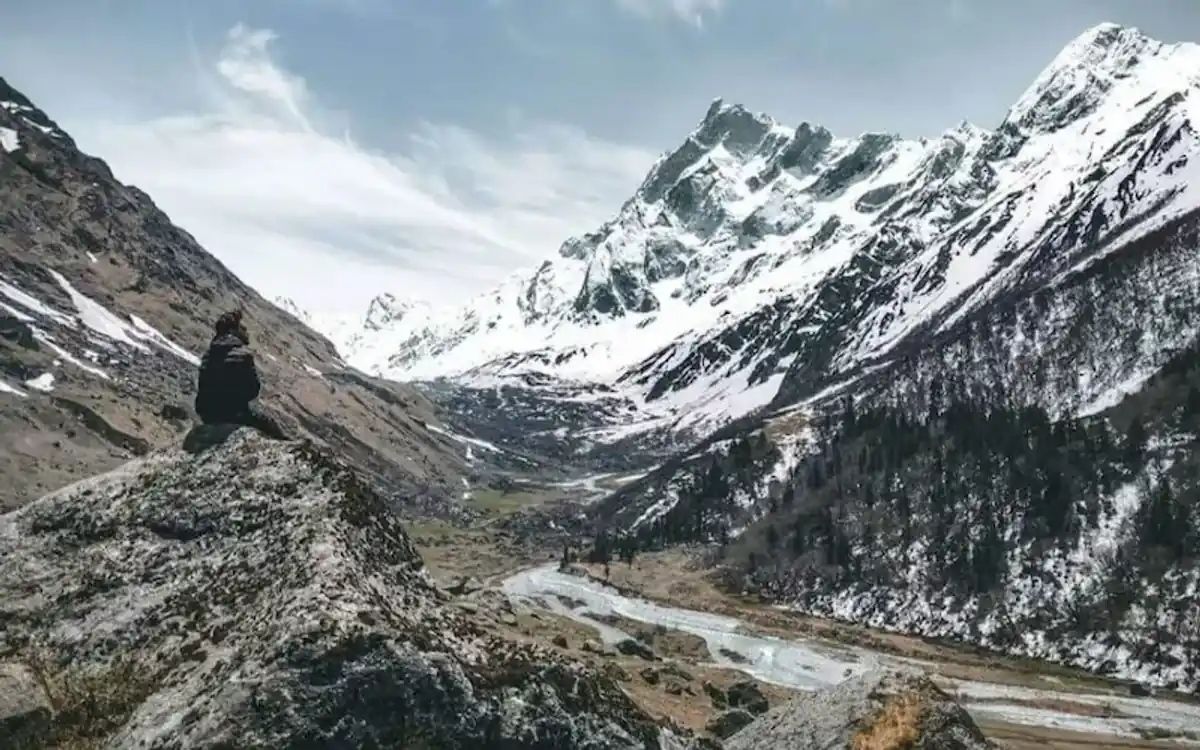
The Kedarkantha Trek is Sankri's most well-known route — a 5-day winter snow trek culminating at 3,810 metres with panoramic views of Swargarohini, Bandarpoonch, and Black Peak. It is widely considered one of the best introductory snow treks in India, though the summit day demands genuine physical effort and altitude acclimatisation.
The Har Ki Dun Trek follows the Supin River valley to a remote cradle-shaped glacial valley at 3,566 metres. This is a different kind of trek — slower, more contemplative, passing through ancient villages like Osla and Seema where traditional timber architecture and pastoral culture remain intact. It rewards patience rather than peak-bagging ambition.
For a deeper comparison of these two routes, see our guide: Kedarkantha vs Har Ki Dun — Which Trek Should You Choose?
Difficulty & Terrain Overview
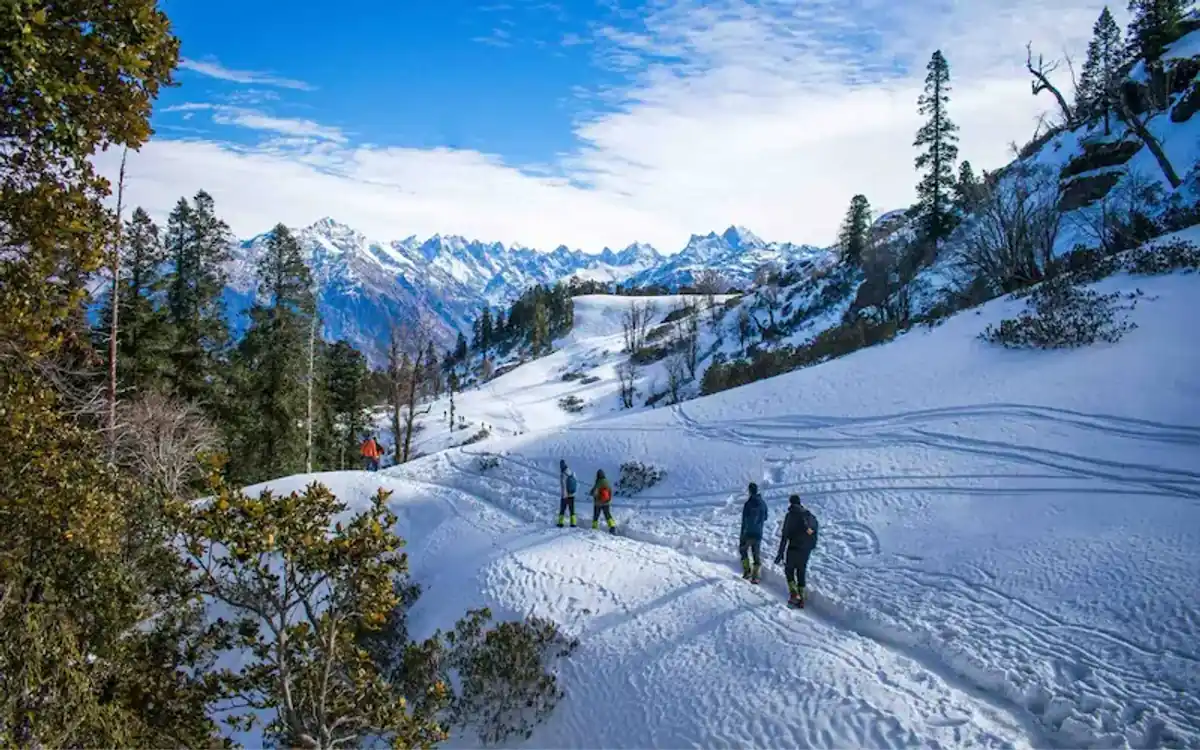
Treks from Sankri span moderate to challenging difficulty. The terrain transitions through four distinct zones as you gain elevation:
Forest trails (1,950–2,800 m): Dense oak, pine, and rhododendron forest with well-defined paths. Moderate gradient. These sections are shaded and relatively sheltered from wind.
Alpine meadows / bugyals (2,800–3,400 m): Open grasslands with expansive views. Terrain becomes exposed to weather. Snow cover is common from November through March.
Snow and moraine (3,400–3,800 m): Above the treeline, trails cross snowfields in winter and loose rocky moraine in summer. Proper footwear and trekking poles are essential. Summit approaches require early morning starts to manage snow conditions.
River crossings: The Supin and its tributaries must be crossed at several points on the Har Ki Dun route. In summer, meltwater raises river levels — guided groups use established crossing points with safety protocols.
Need help choosing between Sankri treks?
Get a Free Recommendation →Expert advice · 2-minute response · No obligation
How to Reach Sankri
From Delhi: Take an overnight bus or train to Dehradun (250 km, 5–6 hours by road). From Dehradun, Sankri is a 200 km drive via Mussoorie, Purola, and Mori — approximately 10–11 hours on mountain roads. Most guided groups arrange shared transport from Dehradun.
From Dehradun: The road follows NH-507 through the Yamuna valley before turning north into the Tons valley. Road quality is reasonable until Purola; the final stretch to Sankri is narrow and winding but paved. During monsoon, landslide delays are common between Naugaon and Mori.
Permits: Treks entering Govind Pashu Vihar National Park require a forest permit, obtainable at the Sankri forest check-post. Guided operators handle this as part of the trek package. Carry valid photo ID (Aadhaar or passport for foreign nationals).
Sankri vs Other Trekking Bases
Sankri vs Chakrata: Chakrata is closer to Dehradun (3–4 hours) and better suited for weekend treks and beginner-friendly trails. Sankri offers longer, more remote routes at higher altitudes — it is the choice when you want genuine wilderness rather than a quick escape. See also our Chakrata vs Sankri comparison.
Sankri vs Munsiyari: Both are remote Himalayan basecamps, but Munsiyari sits in the Kumaon region with access to the Panchachuli range and Milam Glacier. Sankri's advantage is better road access from Delhi/Dehradun and more reliable winter snow conditions for summit treks.
Frequently Asked Questions
Is Sankri safe for solo trekkers? The trails are well-established but remote. We strongly recommend guided groups, especially in winter when route-finding in snow requires experience. Mobile coverage is absent beyond Sankri village.
Do I need prior trekking experience? Kedarkantha is suitable for first-time Himalayan trekkers with reasonable fitness. Har Ki Dun requires more endurance due to its length but is technically easier. Both benefit from pre-trek cardio preparation.
What about altitude sickness? Maximum elevations on Sankri treks (3,500–3,800 m) are moderate by Himalayan standards. Proper acclimatisation is built into guided itineraries. Symptoms are uncommon if you follow the pacing and hydration guidance.
Can I combine a trek with a retreat? Yes — our Sankri retreats are designed to pair with trekking itineraries. Many guests do a 5-day trek followed by a 3-day rest and integration retreat.
Why Sankri Is a Premier Trekking Destination
Sankri has become one of the most popular trekking bases in Uttarakhand because of its unique combination of accessibility, varied terrain, and transformative mountain experiences. Whether you are looking for your first Himalayan trek or a challenging multi-day expedition, Sankri offers routes suitable for all fitness levels and ambitions.
Talk to a Sankri Local Expert
Not sure which Sankri trek is right for you? Our local team can help you choose the best route based on your fitness, schedule, and previous experience.
Free consultation · No spam · Local team