Art Retreat Packing List: What to Bring (and What to Leave Behind)
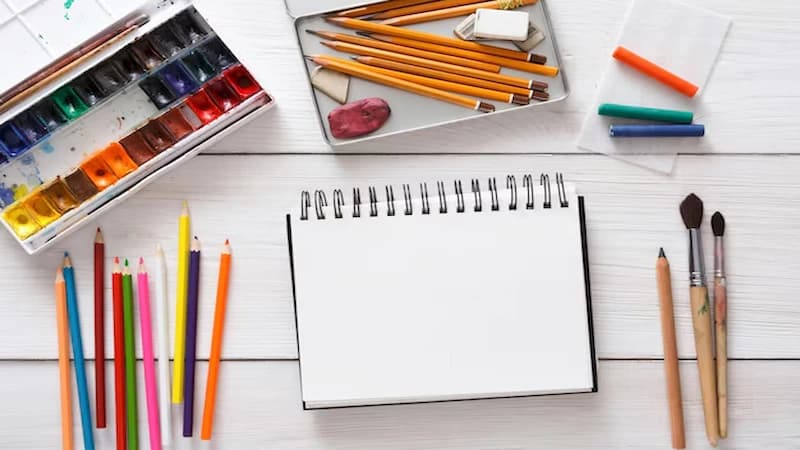
Packing for an art retreat is not like packing for a holiday. You are going somewhere to create, not to sightsee. The packing decisions are partly practical and partly philosophical — what you bring reflects what you expect, and what you leave behind creates space.
What the Retreat Provides
All materials are included. You do not need to buy supplies:
- Watercolour sets (pan and tube)
- Drawing paper, watercolour paper, mixed media paper
- Ink pens, brushes, charcoal, pencils
- Clay (if available at the location)
- Collage materials — magazines, papers, adhesives
- Scissors, tape, fixative spray
- Aprons and cleaning supplies
The materials are good quality — not professional grade, but sufficient for everything from quick sketching to sustained painting. The point is to remove the barrier of supply acquisition.
What to Bring
Essential
- Comfortable clothing you don't mind ruining. Paint gets on everything. Bring older clothing in layers. The Himalayas are colder than you expect, especially mornings and evenings.
- Warm layers. Even in summer, mountain evenings cool to 10–16°C. A fleece or light jacket is essential.
- Rain protection. If travelling in monsoon months (July–September), a waterproof jacket is necessary. Rain does not cancel the retreat — it changes the palette.
- Closed shoes and walking shoes. For outdoor sketching and forest walks. Sandals for around the retreat house.
- Journal and pen. Non-negotiable. You will want to write — not about art theory, but about what emerges during the process.
- Personal medication. The retreat house has basic first aid but not pharmacy-level supplies.
- Sun protection. Hat, sunscreen (SPF 50+ at altitude), sunglasses. UV at 2,000m+ is significantly stronger than at sea level.
- Headlamp or torch. For early morning walks and evening paths (mountain retreat houses may have limited outdoor lighting).
Optional but Recommended
- Your own art materials if you have a preferred medium. Oil pastels, a favourite sketchbook, specific pencil grades, a portable watercolour set you know well. Familiar tools can be grounding when everything else is new.
- A camera. For reference photos. Phones work, but a dedicated camera is better if you have one — it separates the photo impulse from the phone-checking impulse.
- A book. For evenings. Something unrelated to art. Fiction works well. The brain needs contrast.
- Earplugs and an eye mask. Mountain houses can be noisy (birds start early) and light (thin curtains).
What to Leave Behind
This list is as important as the packing list:
- Work laptop. You will not need it. If you bring it "just in case," you will use it. Leave it home.
- Art instruction books. This is not a study trip. You are not here to learn theory. You are here to create.
- Expectations about what you will produce. The expectation of creating beautiful work is the inner critic's favourite weapon. Pack curiosity instead.
- Your usual routine. The retreat has its own rhythm. Let it replace yours for the week.
- Gifts and shopping mindset. You are not on holiday. The souvenirs you bring home are the pieces you created.
Climate-Specific Notes
Mussoorie (October): Warm days (18–22°C), cool nights (10–14°C). Light layers sufficient. Dry season — no rain gear needed.
Chakrata (June): Warm days (22–28°C), cool nights (12–16°C). Pre-monsoon — clear skies but occasional afternoon clouds. Insect repellent advised.
Rishikesh (April): Warm (25–32°C). Cotton clothing, sun protection essential. Minimal cold-weather gear needed.
Zanskar (June–August): High altitude (3,500m). Cold nights (0–8°C) even in summer. Warm clothing essential. Sunscreen critical (high-altitude UV). Altitude medication if prescribed.
Sankri (May–June): Moderate (15–25°C). Forest environment. Layers for morning mists. Walking shoes for village paths and short treks.
The Philosophical Pack
Bring willingness. Bring curiosity. Bring the courage to create badly and keep going. Leave perfection, comparison, and the productivity mindset at home. Everything else — the materials, the food, the space — is provided. You just need to show up. If you are deciding which format fits your trip, compare the available Himalayan art retreats before you plan what to pack.