Who This Is For
What to Expect
What Is an Art Retreat?
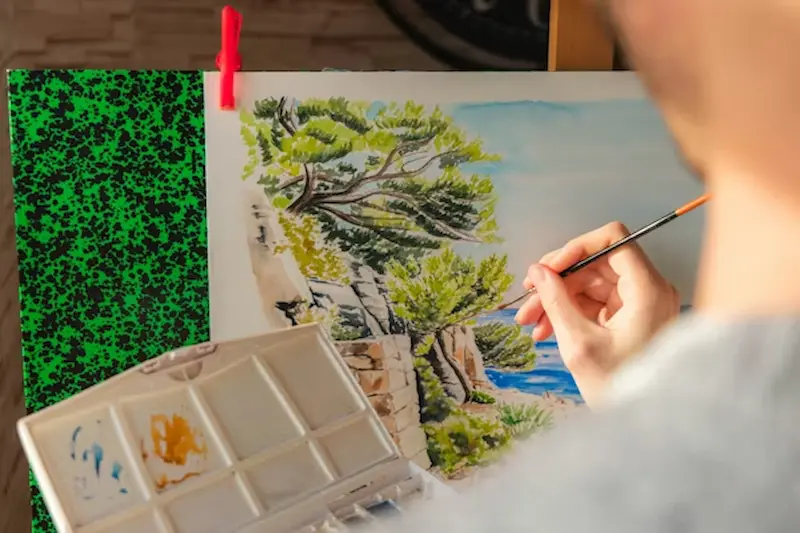
An art retreat is a structured period — typically five to fourteen days — spent in deliberate creative practice, away from the productivity demands and self-criticism of daily life. Unlike an art class or workshop, a retreat creates a continuous creative container where your authentic voice can emerge through sustained immersion.
The core elements are: daily creative sessions (painting, drawing, clay work, collage, or mixed media), facilitated guidance without grading or performance pressure, periods of unstructured creation time, nature immersion, group sharing, and rest. The structure is not about producing polished work — it is about recovering your relationship with creative expression.
What surprises most participants is that the art itself is secondary. The real work is emotional. When you pick up a brush with no expectation of being good, what comes out is authentic — and authenticity is therapeutic. Repressed emotions surface through colour and form. The inner critic, denied its usual power, gradually quiets. By day three, most participants report a shift: from performing creativity to actually being creative.
Emotional Healing Through Creative Retreats
Art therapy is one of the oldest forms of human healing — cave paintings, ritual masks, devotional sculpture. The therapeutic power of creative expression is well-documented in clinical research published in journals including The Arts in Psychotherapy, Art Therapy, and the Journal of Clinical Psychology.
Bypassing verbal defences. Many emotional experiences resist verbal processing. Trauma, grief, and complex feelings often cannot be talked through because the verbal mind introduces analysis, judgment, and intellectualisation. Visual and tactile creation bypasses these defences entirely — the hands know what the mouth cannot say.
Externalising internal states. Putting emotion onto paper, canvas, or clay creates a therapeutic distance. What was overwhelming when trapped inside becomes manageable when it exists outside you as a visible form. You can look at it, modify it, add to it, or simply witness it.
The body-creativity connection. Creative expression engages the body in ways that seated therapy cannot. The physical act of mixing paint, shaping clay, or moving charcoal across paper activates sensorimotor pathways that connect emotion to physical release. This is why art retreats include movement — yoga, walking, dance — alongside seated creation.
Flow state as healing. Extended creative immersion produces flow — the psychological state where self-consciousness dissolves, time distorts, and action and awareness merge. Flow is inherently therapeutic because it interrupts the default mode network, the brain region associated with rumination, self-criticism, and anxiety.
Locations & Environments
Mussoorie — Mountain Light & Aesthetic Beauty
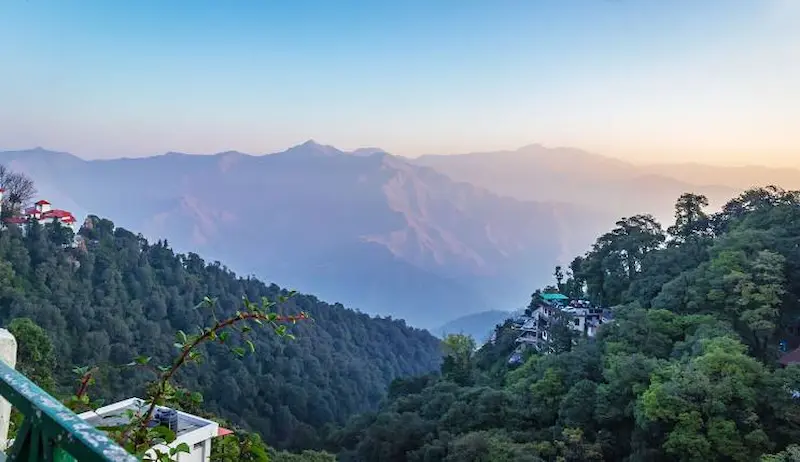
Mussoorie's cloud forests, colonial architecture, and sweeping valley views create a naturally aesthetic environment that awakens the visual sense. The light here changes throughout the day — soft mist in the morning, warm gold in the afternoon, dramatic cloud play in the evening. For painters and visual artists, the landscape itself becomes your primary teacher. The most accessible art retreat location, just 1.5 hours from Dehradun.
Chakrata — Forest Silence for Deep Creation
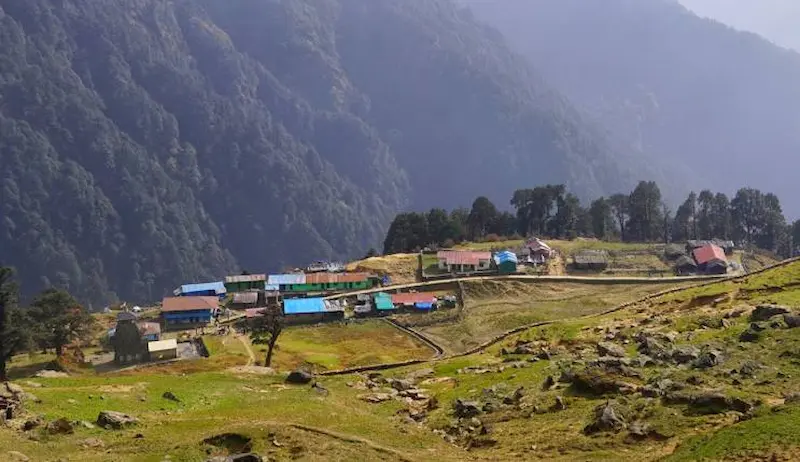
The dense deodar forests of Chakrata create a natural studio without walls. No tourist noise, no commercial distractions — just the sound of wind, birdsong, and your own creative process. The silence removes the inner critic. At 2,200 metres, the forest canopy provides natural shelter for outdoor creation. Ideal for expressive arts, journalling, clay work, and the kind of creativity that requires safety and solitude.
Rishikesh — Spiritual Art on the Ganges
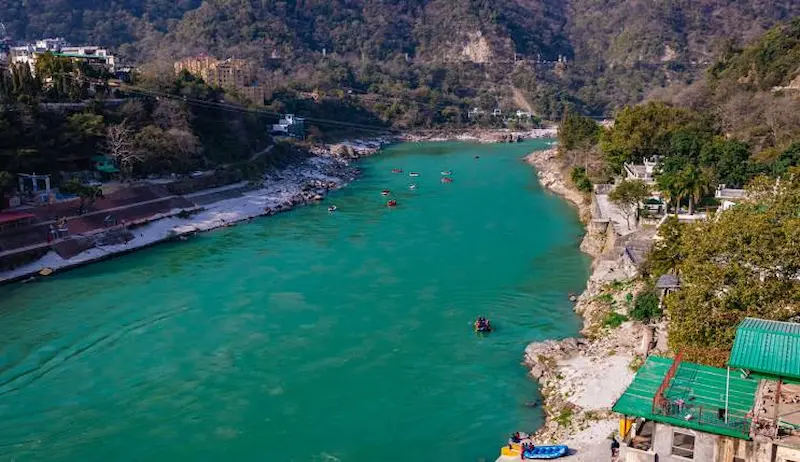
Rishikesh adds a devotional dimension to creative practice. The river, the chanting from nearby ashrams, and the accumulated spiritual weight of the place infuse creative work with depth. Art here becomes a form of prayer — painting the Ganges at dawn, sketching temple architecture, or simply sitting with colour and letting the sacred geography move through your hands.
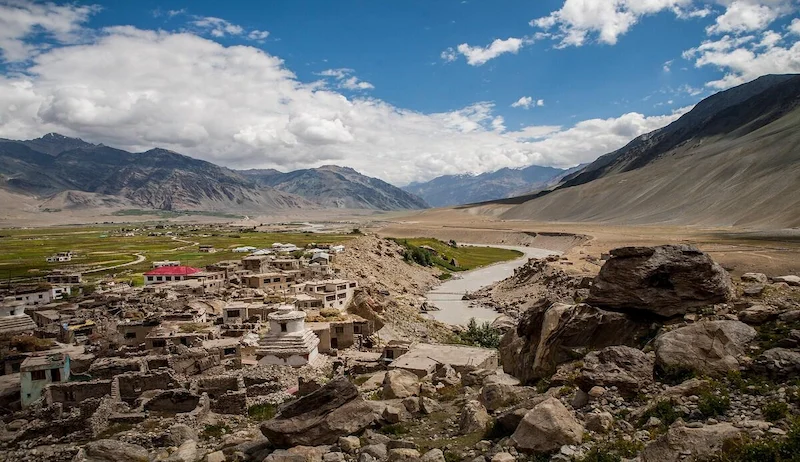
Zanskar — Raw Landscapes for Bold Creation
Zanskar's Trans-Himalayan geology — ancient rock formations, stark valleys, prayer flags against blue sky — demands bold creative response. The landscape does not invite pretty watercolours; it demands something primal. At 3,500 metres, the thinking mind slows and the creative impulse intensifies. For experienced retreatants or deployment radical creative breakthrough.
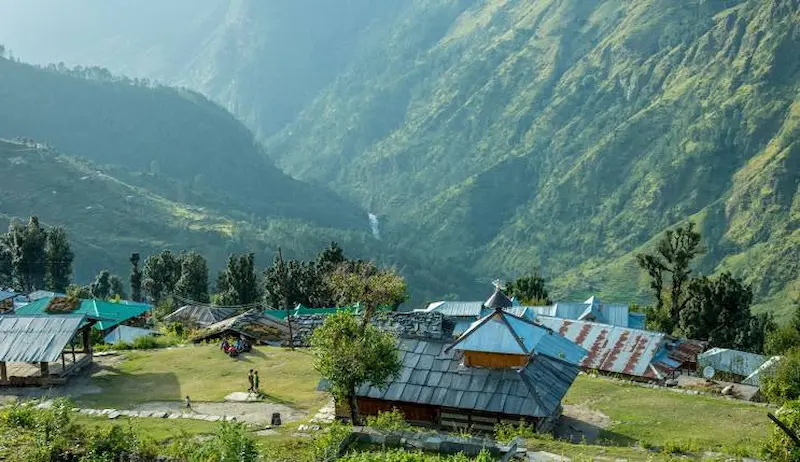
Sankri — Mountain Village & Pastoral Simplicity
Sankri sits in the Govind Wildlife Sanctuary, surrounded by pastoral mountain life — apple orchards, stone houses, river valleys. The simplicity of village life becomes creative material. Sketch journaling, landscape painting, and nature observation come naturally here. The 7-hour journey from Dehradun is itself a creative transition — leaving complexity behind.
Choose Your Creative Retreat
Retreat Stories
First-person accounts from people who have done this retreat.
Creativity is not a luxury skill reserved for artists. It is your birthright — the part of you that makes, imagines, and expresses. Most of us have buried it under productivity, perfectionism, and the fear of not being good enough. A Himalayan art retreat does not teach you to create. It removes the conditions that stopped you. If you are drawn to this but unsure, reach out. We will help you choose the right location and format for wherever you are in your creative journey.
Frequently Asked Questions
What is a creative retreat?
A creative retreat gives you dedicated time and space to make, explore, and reconnect with your creative practice. Depending on the retreat you choose, the experience may include guided art sessions, independent studio time, nature-based creativity, movement, reflection, and time away from everyday routines.
Do I need art experience to join a creative retreat?
No. Many of our creative retreat experiences are suitable for beginners and for people returning to creativity after a long break. Some experiences also suit practising artists who want uninterrupted time, new surroundings, and a more intentional creative routine.
What kinds of creative retreat experiences can I choose from?
Our creative experiences include guided art and creative healing retreats, shorter weekend art retreats, and Trek & Paint journeys that combine creative practice with time in the mountains. Each experience has a different duration, setting, pace, and focus.
How do I choose the right creative retreat?
Start with the kind of experience you want. Choose a longer facilitated retreat if you want more time for reflection and creative exploration, a weekend format if you want a shorter break, or Trek & Paint if you want creativity combined with an active mountain journey. Location, dates, duration, and your preferred pace can also help narrow the choice.
Are art materials provided?
The standard Creative Healing Retreat includes basic art materials. Personal or specialist supplies may depend on the retreat format, so check the individual retreat details before booking. If you have preferred materials or an established art practice, ask whether you should bring your own.
Explore the Creative Healing Retreat
The 5–7 day format combines art, yoga, and time in nature. Confirm which art materials are included for your chosen dates; no prior art experience is needed.