Art Therapy vs Art Retreat: Understanding the Difference
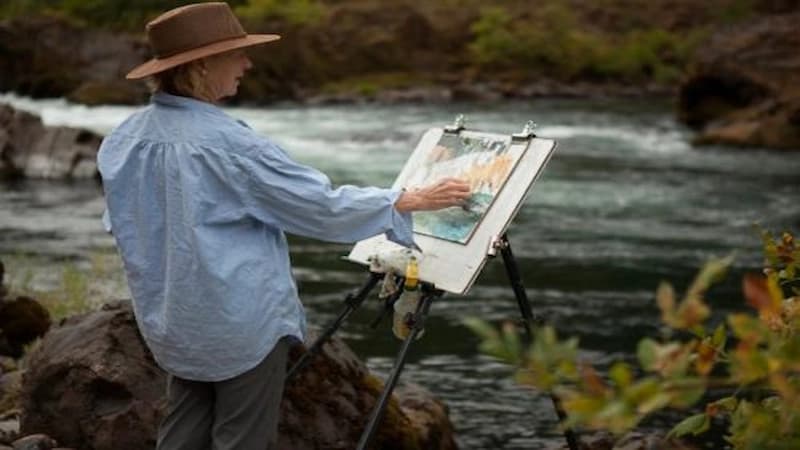
The terms overlap and the confusion is understandable. Both involve creating art. Both can be healing. But art therapy and art retreats are fundamentally different offerings with different structures, practitioners, and goals.
Choosing the wrong one wastes time and money. Choosing the right one can genuinely change something.
Art Therapy: The Clinical Definition
Art therapy is a regulated mental health discipline. An art therapist holds a master's degree (minimum) in art therapy and is registered or licensed. The sessions are clinical — they have therapeutic goals, treatment plans, and documented outcomes.
In art therapy, the art is a diagnostic and therapeutic tool. The therapist observes your creative process, the imagery you produce, and your emotional responses. The resulting artwork is interpreted within a therapeutic framework. The relationship between therapist and client is the primary healing agent.
Art therapy is appropriate when:
- You have a diagnosed mental health condition (depression, PTSD, anxiety disorder)
- You need trauma processing in a safe clinical container
- You are in crisis or acute psychological distress
- You have been referred by a psychiatrist or psychologist
- You need ongoing treatment, not a one-time experience
Art Retreat: The Creative Offering
An art retreat is facilitated creative immersion. The facilitator is an experienced artist, not a therapist. The structure is creative, not clinical. There are no treatment plans or diagnostic frameworks.
In an art retreat, the art is the purpose — not a tool for something else. You create because creation is valuable in itself. The facilitator provides prompts, technique guidance, and exercises designed to bypass perfectionism and unlock flow. The group provides community and witnessing.
An art retreat is appropriate when:
- You want to (re)develop a creative practice
- You feel creatively blocked but are not in clinical distress
- You need protected time for creative work
- You want to explore new mediums and approaches
- You need a reset from non-creative life demands
The Grey Area
Art retreats can be therapeutic without being therapy. A week of creative immersion in the Himalayas can reduce stress, process grief, shift perspective, and produce a sense of well-being. These are real psychological benefits. But they are emergent effects of creative practice, not clinical interventions.
Similarly, art therapy includes creative practice. You may produce beautiful work in therapy. But the beauty is incidental to the therapeutic purpose.
The Key Differences
Practitioner credentials:
- Art therapy: Licensed/registered art therapist (masters-level minimum)
- Art retreat: Experienced artist and facilitator (no clinical license required)
Goal:
- Art therapy: Psychological healing, symptom reduction, trauma processing
- Art retreat: Creative development, self-expression, artistic exploration
Relationship:
- Art therapy: Therapeutic relationship with confidentiality and boundaries
- Art retreat: Peer group with facilitator guidance
Duration:
- Art therapy: Ongoing sessions (weekly/fortnightly) over months
- Art retreat: Intensive immersion (5–7 days)
Outcome measurement:
- Art therapy: Clinical outcome measures, symptom tracking
- Art retreat: Personal satisfaction, creative output, sustained practice
Which Do You Need?
Ask yourself:
- Am I in psychological distress? → Art therapy
- Do I need trauma processing? → Art therapy
- Am I creatively stuck but emotionally stable? → Art retreat
- Do I want to develop a creative practice? → Art retreat
- Am I burned out but not clinically depressed? → Art retreat (may be sufficient)
- Am I grieving and struggling to function? → Art therapy (retreat can follow later)
If you are unsure, consult a mental health professional first. A responsible art retreat facilitator will also tell you if they think you would benefit more from clinical support.
They Can Be Sequential
Many people benefit from art therapy first (to process what needs processing) and an art retreat second (to build a creative practice once the acute distress has resolved). They are not competitors — they are different stages of a possible journey. To understand the available formats and decide whether an art retreat is the right next step, explore our Himalayan art retreats.