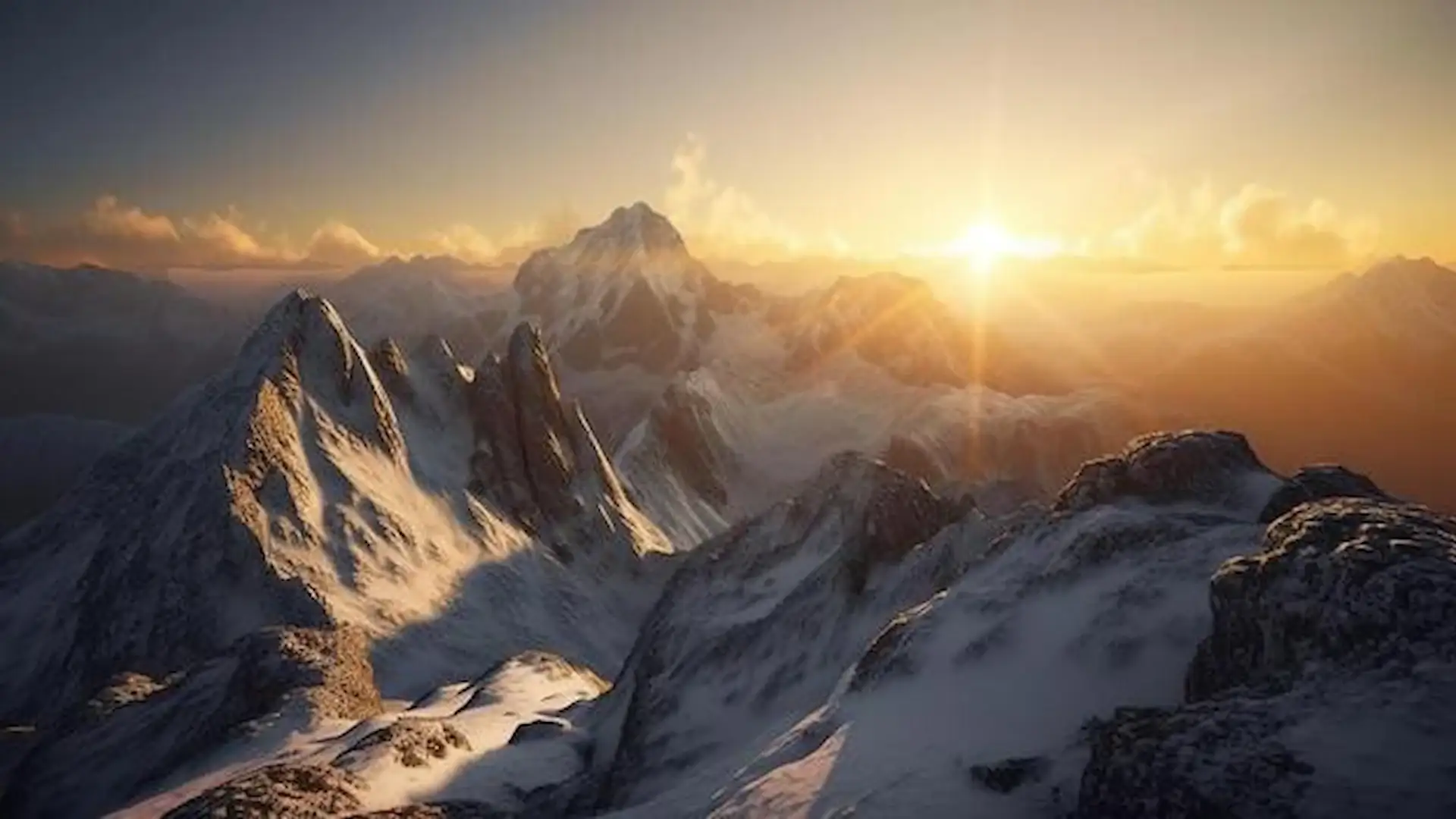
Trek and Paint in the Himalayas
Walk through a landscape in the morning. Paint it in the afternoon. This is the oldest relationship between art and place — moving through terrain with attention, then translating what you saw into colour, line, and form. The Himalayas provide subject matter that humbles and inspires in equal measure: mountain light that changes hourly, forest textures that reward close observation, valleys that demand you work larger than you normally would. This is not a trek with a painting workshop added. It is a single practice where walking and creating are inseparable. Route, pace, itinerary, and art materials vary by departure, so ask for those details before booking.
Who This Is For
- Artists who want to paint landscapes from inside the landscape, not from photographs
- Trekkers who want a creative dimension to their mountain experience
- People who sketch on holidays and want a trip designed around that impulse
- Beginners who are curious about art but need the motivation of extraordinary scenery
- Anyone who feels the pull to create when surrounded by natural beauty
A Typical Day
| 6:00 AM | Wake. Tea with a view. |
| 6:30 AM | Morning stretch or yoga (15 min) |
| 7:00 AM | Breakfast at camp |
| 7:30 AM | Trail departs. Sketchbook in pocket. |
| 9:30 AM | First observation stop. Quick sketches. |
| 10:00 AM | Continue walking. Notice colour, light, texture. |
| 12:00 PM | Arrive at next camp. Lunch. |
| 1:30 PM | Rest or explore nearby. |
| 2:30 PM | Outdoor studio time. Paint, draw, sculpt with found materials. |
| 5:00 PM | Tea. Optional sharing of the day's work. |
| 6:00 PM | Dinner. |
| 7:30 PM | Journalling, star observation, or early sleep. |
The schedule and activities may vary by departure; confirm the itinerary before booking.
The Art on the Trail
Mountain art divides naturally into three modes, and a trek touches all of them:
The specific activities and materials depend on the selected departure; confirm them before booking.
Quick Capture
Short sketches at trail stops offer one way to record changing views and details observed along the route.
Sustained Work
Afternoon studio time at camp. Translate the morning's observations into painting, drawing, or mixed media. The facilitator is available.
Land Art
Creation from found materials. Stone arrangements, leaf compositions, water patterns. These works exist for an hour and are photographed. The impermanence is the point.
Walking and Creative Practice
This format combines walking with outdoor art-making. Participants can use details observed along the route as subjects for creative sessions; individual approaches and outcomes vary.
A route may offer changing views, textures, and other details to observe. Each participant chooses what, if anything, to include in their work.
If you want a deeper creative experience, explore the Creative Healing Retreat.
Frequently asked questions
How do you carry art supplies on a trek?
Materials and transport arrangements depend on the confirmed route. Ask the organizer which supplies are included and how they should be carried for your itinerary.
Do I need to be fit for this?
Fitness requirements depend on the route, terrain, walking distance, and altitude. Ask the organizer for the confirmed itinerary and specific requirements before booking.
Is this a trekking trip or an art retreat?
It combines walking with outdoor creative practice. The route, schedule, and available activities depend on the confirmed programme; ask the organizer for current details.
What if I cannot draw?
Nature sketching, land art, and texture rubbings are options that do not depend on formal drawing experience. Watercolour washes focus on colour and water rather than line work. The facilitator can adapt guidance to your experience.
What mediums can I use on the trail?
Watercolour, ink, pencil, and charcoal travel well. At camp, we add clay (where available), collage materials, and natural found materials. Land art — arrangements of stone, leaf, branch, and water — requires no carried supplies at all. The mountain provides the materials. Confirm suitable materials and what is provided for your selected departure before booking, and follow local guidance about natural materials.