Best Snow Treks in the Garhwal Himalayas: A Complete Guide
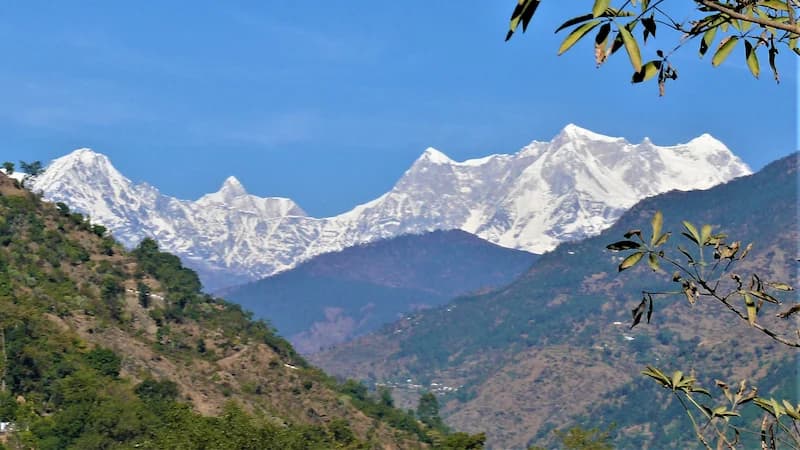
The Garhwal Himalayas are home to some of India's finest snow treks — trails where the frozen landscape transforms familiar mountains into an entirely different world. From gentle snow ridges above frozen lakes to demanding high-altitude expeditions through moraine and glacier, Garhwal offers a snow trek for every experience level.
But choosing the right snow trek matters more than in any other season. Snow changes everything: trail difficulty, gear requirements, physical demands, and risk profile all shift compared to summer trekking. This guide covers the best snow treks in the Garhwal region, what each demands, and how to match a route to your experience.
What Makes Garhwal Special for Snow Trekking
The Garhwal division of Uttarakhand sits in the western arc of the Indian Himalayas, anchored by peaks like Nanda Devi (7,816 m), Trishul, Chaukhamba, and Dronagiri. Its valleys and ridges receive heavy winter snowfall from December through March, creating consistent snow trekking conditions that are rare in other Indian mountain ranges.
Three factors make Garhwal particularly suited to snow treks:
Reliable snowfall patterns. Unlike the eastern Himalayas, Garhwal's western position catches consistent winter precipitation. Snow starts accumulating above 3,000 m by early December and persists through March.
Established trail infrastructure. Popular routes like Brahmatal and Kuari Pass have well-mapped winter variants with experienced local guides who know the snow routes intimately.
Range of difficulty levels. Within the Garhwal region alone, you can find snow treks from moderate (3,850 m) to challenging (4,800 m), allowing a natural progression without needing to travel to different mountain ranges.
The Best Snow Treks in Garhwal
1. Brahmatal Trek — The Snow Introduction
Altitude: 3,850 m · Duration: 4 days · Difficulty: Moderate · Base: Lohajung · Season: December–March
Brahmatal is widely regarded as the best first snow trek in India. The trail ascends through snow-draped oak and rhododendron forests to a frozen alpine lake at 3,850 metres, with continuous views of the Trishul and Nanda Ghunti massifs along the snow ridge.
Why it works for snow beginners: The altitude is moderate, the daily distances are manageable (5–8 km), and the terrain is non-technical. Snow depth increases with elevation — so you experience a gradual transition from forest walking to full snow-ridge trekking rather than an abrupt plunge into extreme conditions.
Snow conditions by month:
- December: Fresh snow begins above 3,000 m. Quietest month. Cold but not extreme.
- January: Peak winter. Knee-deep snow on the ridge. Temperatures to -12°C at camp. The frozen lake is most dramatic.
- February: Snow remains deep but days lengthen. Best balance of winter conditions and manageable cold.
- March: Transitional. Snow recedes below 3,200 m. Milder conditions but still scenic.
Gear essentials: Microspikes, gaiters, layering system, sleeping bag rated to -15°C comfort.
Read the full Brahmatal Trek guide →
2. Kuari Pass Trek — The Panoramic Snow Ridge
Altitude: 3,876 m · Duration: 5 days · Difficulty: Moderate · Base: Joshimath · Season: March–April (spring snow), November (early snow)
Kuari Pass is primarily a spring and autumn trek, but the shoulder months bring significant snow character. In March, the upper sections above 3,200 m are blanketed in snow while lower elevations burst with early rhododendron blooms — creating a rare dual-season landscape.
The snow advantage: Unlike pure winter treks where the world is uniformly white, Kuari Pass in March offers the visual drama of snow-topped ridges above green forest valleys. The pass itself (3,876 m) often has fresh snow, adding alpine character to what is already one of the best view-treks in India.
November snow: Early winter brings the first snowfall to the pass. Combined with autumn's crystal-clear visibility, November Kuari Pass offers perhaps the sharpest mountain views in all of Uttarakhand — Nanda Devi, Dronagiri, Chaukhamba in razor-sharp detail against fresh white foreground.
Read the full Kuari Pass Trek guide →
3. Roopkund Trek — The High-Altitude Snow Expedition
Altitude: 4,800 m · Duration: 7 days · Difficulty: Challenging · Base: Lohajung · Season: May–June (pre-monsoon snow fields)
Roopkund is not a winter trek — the route is impassable in deep winter. But in May and early June, the upper sections above 4,000 m are covered in extensive snow fields that define the expedition character of the trek. The approach to the mystery lake (the glacial lake with ancient skeletal remains at 4,800 m) crosses snow-covered moraine and requires careful footing across frozen terrain.
The snow experience: Unlike lower-altitude treks where snow is a novelty, at Roopkund's elevation snow is a permanent feature of the landscape. You walk through the Bedni Bugyal meadow (3,354 m) in wildflower conditions, then cross into a landscape of snow, rock, and ice above 4,000 m. The contrast between the two zones is one of the defining experiences of the trek.
Who this is for: Experienced trekkers who have completed at least one trek above 4,000 m and are comfortable with sustained multi-day walking at altitude. Not a snow trek for beginners — the snow here is a consequence of the altitude, not the season.
Compare: Roopkund vs Pangarchulla →
Let us help you plan
Not sure which retreat fits your experience level? Speak with our experts and we'll craft the perfect journey for you.
Explore Retreats4. Pangarchulla Peak — The Summit Snow Climb
Altitude: 4,590 m · Duration: 6 days · Difficulty: Challenging · Base: Joshimath · Season: March–May
Pangarchulla is the most technically demanding snow trek in this guide. The summit approach involves steep snow climbing with crampons, an alpine start at 3 AM, and a 700-metre altitude gain on a single day. It is a true peak climb, not a trek with snow on it.
The snow requirement: Pangarchulla's summit is only climbable when consolidated snow covers the upper slope. March and early April offer the best snow conditions — firm enough for crampon grip, stable enough to avoid avalanche risk on the approach. By late May, the snow line rises and the summit approach becomes loose scree, which is harder and less safe.
Why this is the progression goal: For trekkers who have done Brahmatal (moderate snow), Kuari Pass (moderate altitude), and perhaps Roopkund (challenging altitude), Pangarchulla represents the next level — a true summit where snow skills, fitness, and altitude tolerance all come together.
Compare: Brahmatal vs Kuari Pass →
Choosing the Right Snow Trek: A Decision Framework
| Factor | Brahmatal | Kuari Pass (March) | Roopkund | Pangarchulla |
|---|---|---|---|---|
| Max Altitude | 3,850 m | 3,876 m | 4,800 m | 4,590 m |
| Snow Intensity | High (winter core) | Moderate (spring) | High (above 4,000 m) | Very high (summit) |
| Technical Demand | Low | Low | Moderate | High (crampons) |
| Prior Experience | 1+ trek helpful | 1+ trek helpful | 4,000 m+ required | Multiple treks + snow |
| Physical Demand | Moderate | Moderate | High (7 days) | Very high (summit day) |
| Window | Dec–Mar | Mar, Nov | May–Jun | Mar–May |
First snow trek? Start with Brahmatal. It is purpose-built for snow trekking with moderate demands and maximum winter beauty.
Want views with some snow? Kuari Pass in March or November delivers the best mountain panorama in Garhwal with a snow bonus.
Ready for a challenge? Roopkund tests endurance and altitude over seven days. Pangarchulla tests explosive summit-day power.
Building toward mountaineering? Pangarchulla is the gateway — its crampon, alpine-start, and steep-snow aspects mirror basic mountaineering skills.
Gear Essentials for Garhwal Snow Treks
Regardless of which trek you choose, snow trekking in Garhwal requires specific gear beyond standard trekking equipment:
- Microspikes or crampons — microspikes for Brahmatal/Kuari Pass; full crampons for Pangarchulla
- Gaiters — essential for any snow above ankle depth
- Layering system — base layer (merino or synthetic), insulation layer (fleece or down), windproof/waterproof shell
- Winter sleeping bag — rated to -15°C comfort for winter treks, -10°C for spring
- UV-rated sunglasses — snow blindness is a real risk above 3,500 m in clear weather
- Sunscreen (SPF 50+) — UV intensity increases dramatically with altitude and snow reflection
- Trekking poles — critical for balance on snow, especially on descents
Most guided operators provide tents, meals, and safety equipment. Confirm what is included before booking.
The Garhwal Snow Trek Progression
If snow trekking in the Garhwal Himalayas appeals to you, the natural progression looks like this:
- Brahmatal (winter) → Learn to walk in snow, camp in cold, manage winter gear
- Kuari Pass (spring) → Build altitude confidence, enjoy panoramic snow ridges
- Roopkund (pre-monsoon) → Extended expedition in high-altitude snow fields
- Pangarchulla (spring) → Summit climb with technical snow skills
Each step builds on the last. Take them at your own pace — there is no rush. The mountains will be there.
For a complete overview of all trekking options in the region, see our Garhwal Himalayas trekking guide.