High Altitude Treks in Garhwal Above 4,000 m
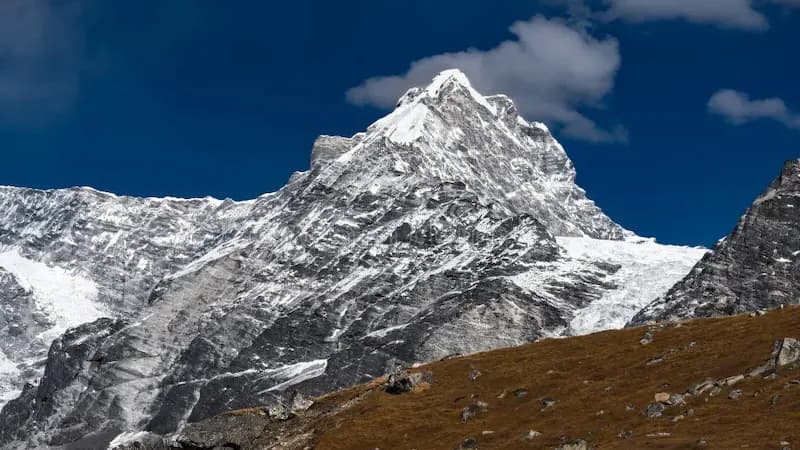
There is a clear line in Himalayan trekking at around 4,000 metres. Below it, the body copes well — headaches are occasional, breathing is manageable, and most reasonably fit people can walk comfortably. Above it, the rules change. Oxygen saturation drops measurably, altitude sickness becomes a genuine risk, and the margin for error in fitness, hydration, and acclimatisation shrinks dramatically.
The Garhwal Himalayas contain two treks that push well above this threshold: the Roopkund mystery lake expedition at 4,800 metres and the Pangarchulla summit climb at 4,590 metres. Both are rated challenging. Both demand prior high-altitude experience. And both reward that preparation with mountain experiences that moderate treks simply cannot offer.
This guide covers what makes these two routes different from anything at lower altitudes — and how to prepare properly.
What Changes Above 4,000 Metres
The transition from moderate to high altitude is not just "more of the same." Several factors change qualitatively:
Oxygen availability: At 4,000 m, you are breathing approximately 60% of the oxygen available at sea level. At 4,800 m (Roopkund), it drops to around 55%. This is not just about getting winded — your body's ability to recover overnight is impaired. Sleep quality decreases. Appetite often drops. Mental processing slows.
AMS risk: Acute Mountain Sickness becomes a real concern above 3,500 m and a serious risk above 4,000 m. Symptoms include persistent headache, nausea, dizziness, and fatigue. Untreated, it can progress to dangerous conditions. The treks from Lohajung and Joshimath include acclimatisation days, but individual response varies.
Weather severity: Above 4,000 m, temperatures drop sharply (expect -5°C to -15°C at camp), wind speeds increase on exposed terrain, and weather changes occur faster. A clear morning can become a whiteout in under an hour.
Physical demand: Every physical task requires more effort. Walking at 4,500 m with a daypack feels equivalent to walking at 2,000 m with a fully loaded rucksack. Recovery between efforts takes longer.
The Two Routes Above 4,000 m in Garhwal
Roopkund — The Extended Expedition (4,800 m)
The Roopkund Trek is a 7-day, 53 km expedition from Lohajung to the glacial lake at 4,800 metres — famous for the ancient skeletal remains discovered at its shores. The route's high-altitude character begins on day 4 when you climb above 4,000 m and stays there for 2–3 days.
The altitude challenge: Sustained time above 4,000 m across multiple days. Your body never fully acclimatises during the trek — it manages, but doesn't recover as it would at lower altitude. The cumulative fatigue of day after day at altitude is the primary challenge. The final push to 4,800 m is steep and exposed but not technically demanding.
Who should attempt it: Trekkers who have completed at least one trek above 4,000 m (Kedarkantha in winter conditions is a common qualifier). Strong cardiovascular fitness with the ability to walk 8–10 km daily with a daypack across multiple consecutive days. Age is less important than altitude history and fitness.
Best season: May–June (pre-monsoon) or September–October (post-monsoon). The higher sections are snow-covered in pre-monsoon, adding both beauty and difficulty. Post-monsoon brings clearer skies but colder nights.
Pangarchulla — The Summit Concentration (4,590 m)
The Pangarchulla Peak Trek takes the Kuari Pass approach trail for three days, then diverges for a summit push to 4,590 metres on a single, demanding day. The altitude is concentrated rather than sustained.
The altitude challenge: Rapid gain on summit day — from Khullara camp at ~3,870 m to summit at 4,590 m, a 720 m gain in 4–5 hours. Combined with a 3 AM start in darkness, steep snow and scree terrain, and the use of crampons, this is a qualitatively different experience from the gradual approach of Roopkund. Your body gets one shot at the altitude before descending.
Who should attempt it: Trekkers with prior experience above 4,000 m AND comfort with steep snow terrain, alpine starts, and crampon use. The ideal prerequisite is having completed either Roopkund or a winter Kedarkantha (where you experienced sustained sub-zero conditions and steep trail). Physical power matters more than endurance here — you need explosive climbing capacity for summit day.
Best season: March–May only, when consolidated spring snow provides grip for the summit approach.
How They Compare
| Factor | Roopkund (4,800 m) | Pangarchulla (4,590 m) |
|---|---|---|
| Time above 4,000 m | 2–3 days | ~6 hours (summit day) |
| Challenge type | Cumulative endurance | Concentrated power |
| Technical skill | None (stamina only) | Crampons + steep snow |
| Duration | 7 days | 6 days |
| Recovery profile | Gradual descent over 2 days | Same-day descent from summit |
| Season | May–Jun, Sep–Oct | Mar–May |
| Base town | Lohajung | Joshimath |
For a full side-by-side breakdown, see our Roopkund vs Pangarchulla comparison guide.
Preparation for High-Altitude Garhwal Treks
Physical Preparation (6–8 Weeks Before)
Cardiovascular base: Run or cycle 5 days per week, 30–45 minutes per session. The goal is sustained aerobic capacity, not speed. If you can run 8 km comfortably at a conversational pace, your cardio base is adequate.
Hiking-specific strength: Weekend hikes with a 10–12 kg pack, targeting 1,000 m elevation gain in a single day. Stair workouts (20+ floors) replicate the repetitive climbing of steep trail sections.
For Pangarchulla specifically: Add stairmaster intervals and hill repeats. Summit day demands explosive ascent power — your legs need to handle 720 m of climbing in 4 hours at altitude.
Let us help you plan
Not sure which retreat fits your experience level? Speak with our experts and we'll craft the perfect journey for you.
Explore RetreatsAcclimatisation Strategy
Both treks build acclimatisation into the itinerary, but you can arrive better prepared:
- Pre-trek altitude exposure: If possible, spend 1–2 nights at 2,000+ m before the trek starts. Rishikesh (350 m) doesn't help; Joshimath (1,875 m) does.
- Hydration discipline: 3–4 litres daily above 3,500 m. Dehydration amplifies AMS symptoms.
- Walk high, sleep low: The itineraries are designed to gain altitude during the day and camp slightly lower. Respect this pattern — don't push ahead of the group to camp at higher points.
- Diamox consideration: Some trekkers use Diamox (acetazolamide) prophylactically. Consult your physician before the trek — not during it.
Gear Differences from Moderate Treks
Above 4,000 m, some gear requirements change:
- Sleeping bag: -15°C comfort rating minimum (vs -5°C for moderate treks)
- Layering: Full 4-layer system including windproof outer shell
- Sun protection: UV intensity at 4,500 m is extreme — SPF 50+, UV-rated sunglasses, lip protection
- Crampons: Required for Pangarchulla; not needed for Roopkund
- Headlamp: Essential for Pangarchulla summit day (3 AM start)
The Progression Into High Altitude
Don't jump directly to Roopkund or Pangarchulla. The natural skill-building progression through Garhwal's trekking routes looks like this:
Step 1 — Moderate snow: Brahmatal Trek (3,850 m, winter). Learn to walk in snow, manage cold, camp at altitude.
Step 2 — Moderate altitude + views: Kuari Pass Trek (3,876 m, spring/autumn). Build multi-day trekking fitness and altitude confidence on non-technical terrain.
Not sure which moderate route to start with? See our Brahmatal vs Kuari Pass comparison for detailed guidance.
Step 3 — High altitude endurance: Roopkund (4,800 m). Extended multi-day exposure above 4,000 m. Tests your body's altitude tolerance over a week.
Step 4 — High altitude summit: Pangarchulla (4,590 m). Peak climbing with crampons and alpine start. The gateway to basic mountaineering.
Each step builds on the previous one. Skip steps only if your non-Garhwal experience provides equivalent preparation.
When NOT to Attempt a High-Altitude Garhwal Trek
Be honest about readiness. Do not attempt Roopkund or Pangarchulla if:
- You have never trekked above 3,500 m
- You have had AMS symptoms at moderate altitude (3,000–3,500 m)
- You cannot run 8 km comfortably at sea level
- You are recovering from illness or have unmanaged chronic conditions
- You are unwilling to turn back if symptoms develop
The mountains are permanent. You can return when ready. The moderate routes — the frozen lake at Brahmatal and the panoramic ridge at Kuari Pass — are magnificent treks that build the foundation for higher altitude safely.