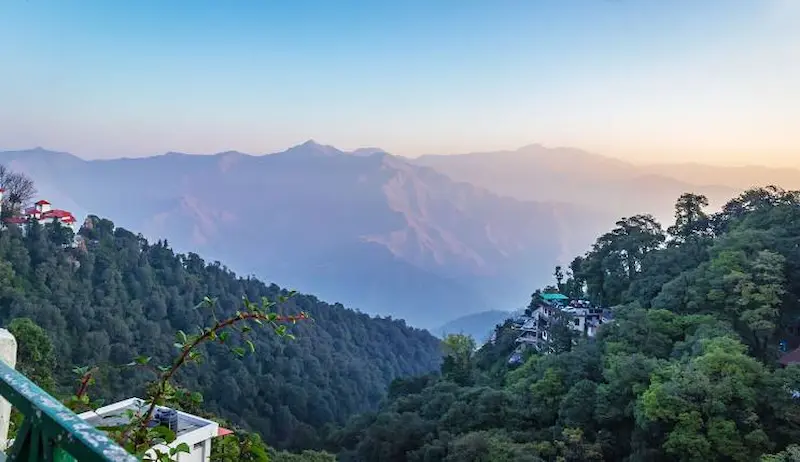
Mussoorie
A soft, accessible Himalayan retreat—romance and quiet in the clouds.
“Mussoorie is chosen for accessibility wrapped in beauty. Two thousand meters above the plains, in rolling cloud-covered hills dotted with pines and deodar trees, this is where serious rest arrives without heroics. The mountains here are soft. The air is clear. The silence is real without being extreme. This is retreat for people who need permission to truly soften.”
Why Meditation and Forest Walks Work in Mussoorie
Mussoorie supports contemplation and movement equally. The soft landscape invites walking without demanding strength. The altitude calms without stressing. You can spend mornings in silent practice and afternoons on forest trails, transitioning smoothly between stillness and gentle motion. Many find that this combination works better than stillness alone.
Why Inner Work Deepens in Mussoorie
Gentle Altitude Reset
Two thousand meters is the sweet spot—altitude enough to calm the mind, low enough that the body rests easily. No struggle. Just shift.
Romantic Landscape
Mist, clouds, pine forests, vast valley views. The beauty here is soft and intimate, not dramatic. This landscape draws people into themselves rather than toward sensation.
Accessibility Paradox
Close to cities, yet genuinely removed. Good roads, comfortable lodging, reliable infrastructure. This means people arrive rested enough to actually benefit from retreat—not exhausted from getting there.
Seasonal Personality
Mussoorie shifts dramatically with seasons—spring awakening, summer refuge from heat, autumn clarity, winter quietude. Each season offers a different medicine.
Places & Sights
Camel's Back Road
A quieter ridge-side stretch with open mountain views and changing Himalayan light. It works naturally as an outdoor observation setting for sketching, journaling, and landscape studies.
Best time: Year-round; clearest mountain views generally in spring and autumn
Landour Forest & Ridge
Deodar-lined paths and ridge viewpoints create a slower visual environment for noticing trees, light, architecture, and changing weather. The setting supports quiet creative observation without requiring a trek.
Best time: Year-round
Mussoorie Mountain Viewpoints
Open viewpoints around the hill station provide changing perspectives across ridges and valleys. Weather permitting, these spaces can serve as simple outdoor studios for sketching and plein-air creative practice.
Best time: Best visibility in March–May and September–November
Soft Experiences
Mountain Sketching Walk
A slow walk with time to stop, observe and sketch mountain forms, trees, buildings, and changing light rather than treating the landscape as a sightseeing checklist.
Deodar Observation
Quiet time among deodar trees creates space to notice texture, colour, sound, and natural patterns that can become prompts for drawing, painting, or writing.
Plein-Air Creative Time
Weather permitting, creative work can move outdoors into the mountain environment, using the surrounding ridges, forests, and changing light as subjects.
Why People Come to Mussoorie
People typically seek Mussoorie for:
Gentleness & Renewal
For those who do not need extreme conditions to change. The softness here is its strength. Rest arrives more easily.
Creative Retreat & Clarity
The romantic beauty is inspiring without being distracting. Writers, artists, and people seeking fresh perspective find their voice here.
Couples & Relational Retreat
The landscape invites two people into shared quiet and beauty. Mussoorie naturally facilitates connection and vulnerability.
First Retreat Retreat
For people trying stillness for the first time. Accessible terrain, good lodging, and soft psychology make this an excellent threshold location.
Retreats in Mussoorie
Rest & Reset
Permission to stop, for people who have been running too long.
Explore Journey →Creative Healing Retreat
A guided creative retreat combining art, reflection, gentle yoga, and time in Himalayan nature.
Explore Journey →Yoga Retreats & Movement
Personal-practice Yoga retreats with asana, pranayama, and meditation; current dates and programme details are confirmed by enquiry.
Explore Journey →Weekend Retreat
A compressed reset for those who need mountain time but have limited availability.
Explore Journey →Essential Information
Best Seasons
September–November (ideal) and March–May (warm and clear). June–August possible but crowded with tourists seeking coolness.
Accessibility
Most accessible of our locations. 6 hours from Delhi by road. Full amenities in the town (if needed), but retreat spaces are set apart. Roads can be narrow and winding.
Crowd Profile
Mussoorie attracts town visitors and tourists, especially in monsoon. While retreat locations are quiet, the overall landscape is more inhabited than Chakrata or Sankri.
Not For
If you seek total isolation or no tourist presence, choose Chakrata or Sankri instead. If you need extreme ruggedness, this gentle landscape may feel insufficient.
Timing & the Hill Station Rhythm
March – May — Awakening
Spring flowers bloom. Days are warm and clear. The valley explodes with life and color. Excellent for renewal, beginnings, and people seeking gentle upward energy.
June – August — Refuge
Monsoon clouds play around the ridges. Temperature is 8–10 degrees cooler than plains. This is peak season for city dwellers escaping heat. Lush, misty, inward feeling.
September – November — Clarity
Post-monsoon skies are crystalline. Days are crisp, nights cool. Wildflowers dot the meadows. This is ideal season for contemplative retreat and emotional work.
December – February — Stillness
Winter brings frost and occasional snow. Days are quiet. Tourist season ends. Mussoorie becomes genuinely remote and introspective despite its accessibility.
Mussoorie is one of five Himalayan locations we work with — each chosen for different kinds of inner work. We return to Mussoorie for people seeking accessible rest, romantic beauty, and the particular medicine of gentle altitude and soft landscape. If you are seeking higher peaks, remote wilderness, or extreme conditions, Sankri or Munsiyari may be the location your retreat reaches for instead. If you are seeking cultural spirituality and yoga traditions, Rishikesh offers a different gateway.
If this description resonates — if you recognize yourself in one of these intentions, or want to explore whether Mussoorie is the right place to soften and be quiet — reach out. We will help you decide whether this gentle landscape is what you are seeking.