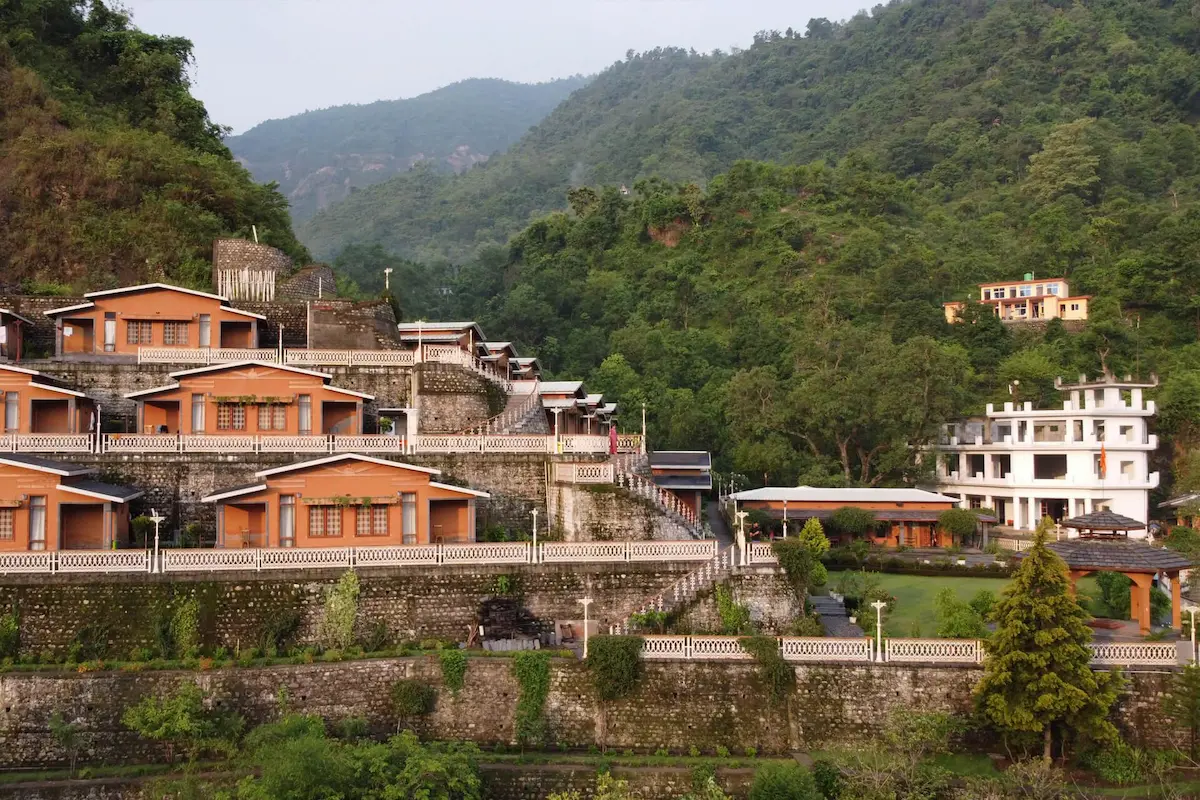
Spiritual Awakening Retreat
Spiritual awakening is not what the market sells. It is the profound recognition that the person you take yourself to be — with all their stories, fears, and ambitions — is merely a construction.
Beyond Self-Improvement
Awakening is not bliss on demand. It is not cosmic visions on schedule. And it is certainly not enlightenment as a credential. Beneath the constructed self, something else has always been present.
The Himalayas have been the geography of this recognition for millennia because the sheer scale, ruggedness, and silence of these mountains teach impermanence in ways that no discourse or book can.
Who seeks Awakening
Experienced meditators seeking to deepen beyond technique into direct seeing
People who have had glimpses of something beyond the personal self and want sustained access
Those at a point where questions of identity, purpose, and meaning have become deeply urgent
Practitioners from any tradition who want an intensive silent container for practice
Anyone who has reached the limits of self-improvement and suspects something else is possible
Cultivating Awareness
Awakening cannot be engineered, but the conditions for it can be cultivated. Our retreats focus entirely on creating an unbreakable container of practice, intention, and silence.
Dismantling the Narrative
The first days are focused entirely on observing the habitual stories of the ego. This phase requires confronting deep discomfort.
Sustained Vigilance
Extended practice hours. You will sit, walk, and breathe with unbroken attention, leaning into the emptiness.
Direct Transmission & Inquiry
Working with guides who understand the territory. Dharma talks and direct self-inquiry (Vichara) to cut through illusion.
Surrender
The point where effort exhausts itself and genuine awakening sometimes arrives. You stop trying to attain, and simply remain.
Environments that hold Truth
Intensive spiritual inquiry requires an unshakable container. These locations have been holding seekers for centuries.
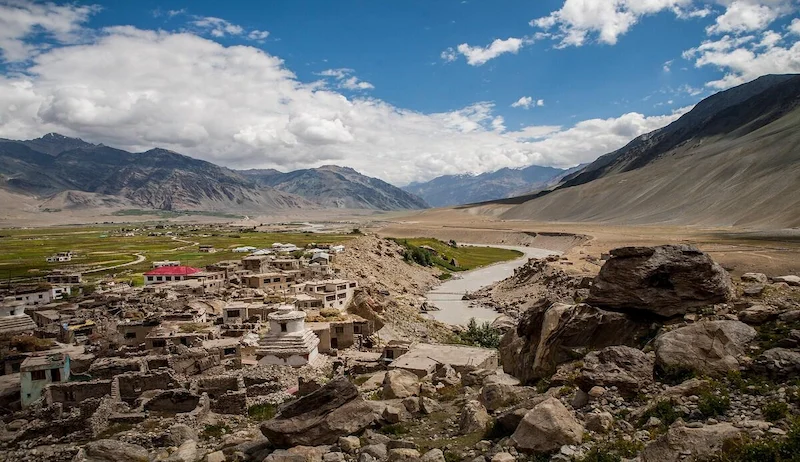
Zanskar
Monastery culture stretching back over a thousand years. Deep high-altitude silence.
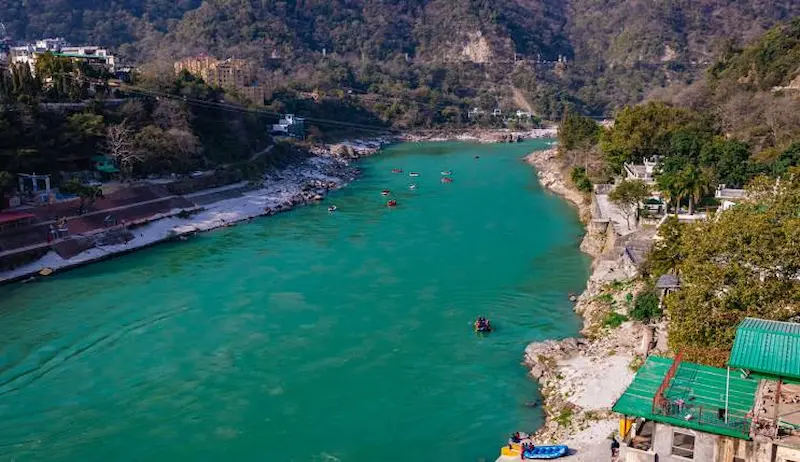
Rishikesh
The accumulated spiritual weight of India's contemplative capital. Tradition and lineage.
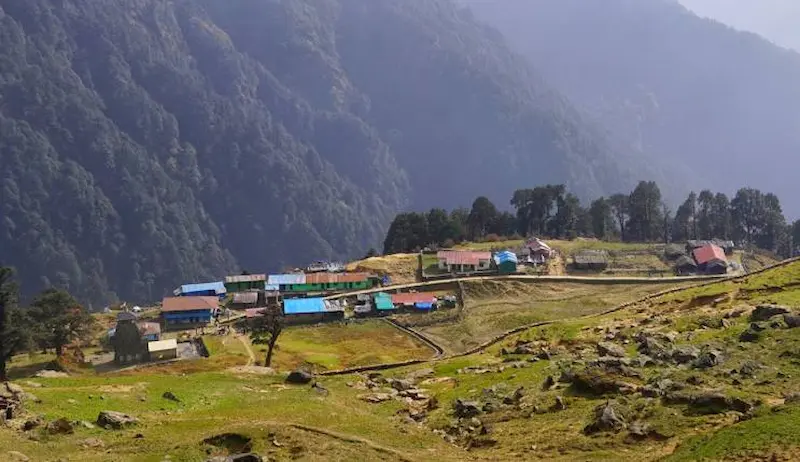
Chakrata
For those who encounter the sacred through nature rather than tradition. Dense forest isolation.
Durations & Commitment
Awakening work requires sustained, unbroken duration. The mind needs days, not hours, to settle past its habitual patterns.
7-Day Retreat
The absolute minimum requested time for genuine spiritual immersion and systemic unbinding.
10-Day Silent Retreat
The traditional, rigorous container required for intensive spiritual practice and paradigm collapse.
Are you ready for this path?
This retreat demands readiness. Describe where you are, and we will tell you honestly if this is the right next step.
Frequently asked questions
Can a retreat cause spiritual awakening?
A retreat cannot guarantee awakening any more than watering a plant guarantees flowering. But it can create the conditions — sustained silence, removed distractions, supported practice, and an environment that has held this work for centuries. Awakening, if it comes, arrives on its own schedule. The retreat simply makes you available for it.
Do I need to follow a specific spiritual tradition?
No. Our retreats draw from contemplative practices across traditions — Buddhist insight meditation, Hindu yogic practices, and non-denominational mindfulness — without requiring adherence to any tradition. The inner territory is universal. The techniques are tools, not dogma.
What is the difference between a spiritual retreat and an awakening retreat?
A spiritual retreat supports existing practice and provides depth. A spiritual awakening retreat is specifically oriented toward the dissolution of habitual identity structures — the fixed sense of "I". This requires longer duration, deeper silence, and greater willingness to sit with discomfort.
How long should a spiritual awakening retreat be?
Seven days minimum. Ten days is more realistic. The first 3–5 days are typically spent dismantling the noise layer. The deeper work happens after that — and it requires sustained, uninterrupted practice.