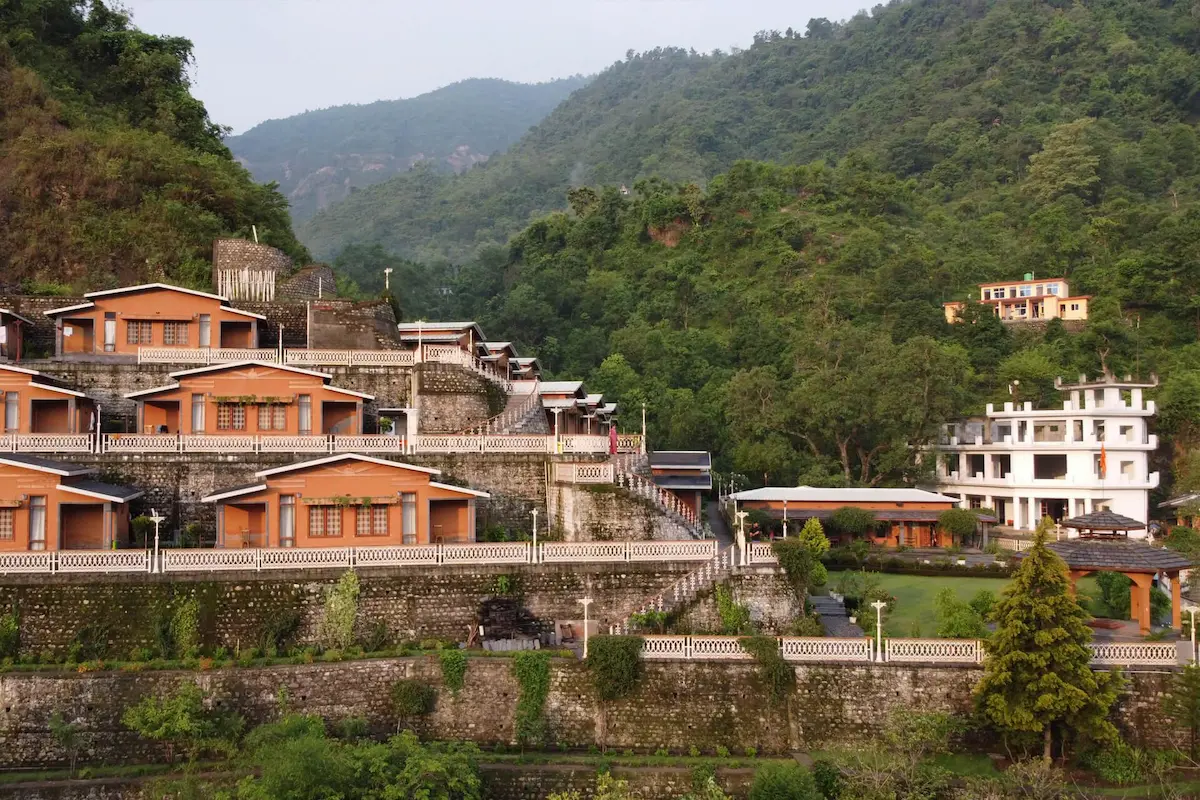
Silent Retreats in the Himalayas
Not the uncomfortable quiet of a paused conversation. The thick, living silence of a Himalayan forest where the only sound is your own awareness. Silence as nourishment, not deprivation.
What happens during a silent retreat?
A silent retreat is not simply a meditation retreat with a rule against talking. It is a fundamentally different experience — one where the entire field of communication shifts.
The first 12–24 hours are often uncomfortable. The mind, accustomed to constant verbal interaction, searches for stimulation and finds none. Restlessness, boredom, and sometimes anxiety arise. This is normal and expected.
By the second day, something begins to change. Without the need to formulate responses, the mind slows. Sensory perception sharpens. By day three, a deeper layer of awareness — quieter, more spacious, less reactive — becomes accessible.
This is what most people have never experienced. Not the silence of a quiet room, but the silence that lives beneath everything — thick, alive, and profoundly nourishing.
What silence does to your mind and body
Extended silence produces measurable psychological and physiological changes, studied across multiple research traditions.
Cortisol Reduction
Within 48–72 hours, cortisol levels drop measurably. The absence of social performance pressure allows the adrenal system to stand down.
Default Network Quieting
The brain's default mode network — responsible for mind-wandering and rumination — shows reduced activity. The neurological correlate of the thinking mind becoming quiet.
Enhanced Senses
Removing linguistic processing frees cognitive bandwidth. Colours appear more vivid, sounds more distinct, physical sensations more nuanced.
Emotional Processing
Without talking about emotions, the psyche processes them somatically rather than narratively. Emotions rise, are felt, and pass — without intellectual loops.
Time Distortion
Without conversation and schedule-checking, the experience of time changes. Days that feel interminable on day one begin to expand and slow beautifully.
Deep Sleep
The nervous system recalibration produces significantly deeper sleep. Most retreatants report the best sleep of their lives by day three.
Types of silent retreats
Not all silence is the same. Choose the format that matches your readiness and intention.
Nature-Based Silence
Integrates silent meditation with walking in natural environments. The landscape becomes part of the practice. Our primary format.
Best for: Most participants, first-timers, nature loversFull Noble Silence
No talking, no eye contact, no devices, no reading. Complete withdrawal from linguistic communication. The deepest format.
Best for: Experienced practitioners, deep seekersPartial Silence
Quiet during practice and mornings, limited conversation during meals or sharing circles. A gentler entry point.
Best for: First-time retreatants, those wary of complete silenceWho silent retreats are for
✓ Perfect if you are
- Someone who has never experienced extended silence and feels drawn to it
- In an overstimulated career or lifestyle seeking neurological reset
- A meditation practitioner wanting to deepen through sustained quiet
- Suspecting that what you need most is permission to stop talking
- Recovering from burnout, grief, or emotional overwhelm
- Ready to discover what your mind does when it has nothing to perform
— Not the right fit if you want
- Social retreat with group activities and conversation
- Spa-style relaxation with entertainment
- Short workshop (less than 3 days)
- Silent meditation without any guidance or structure
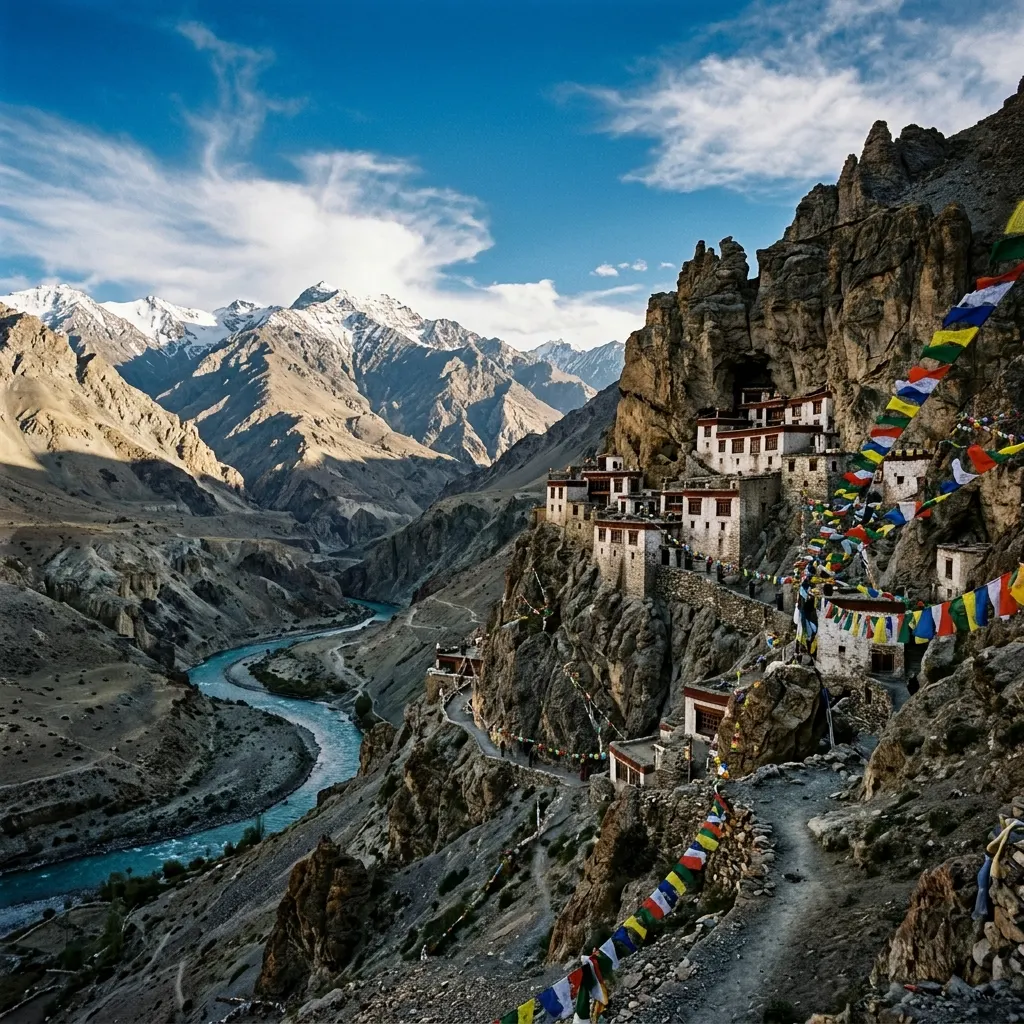
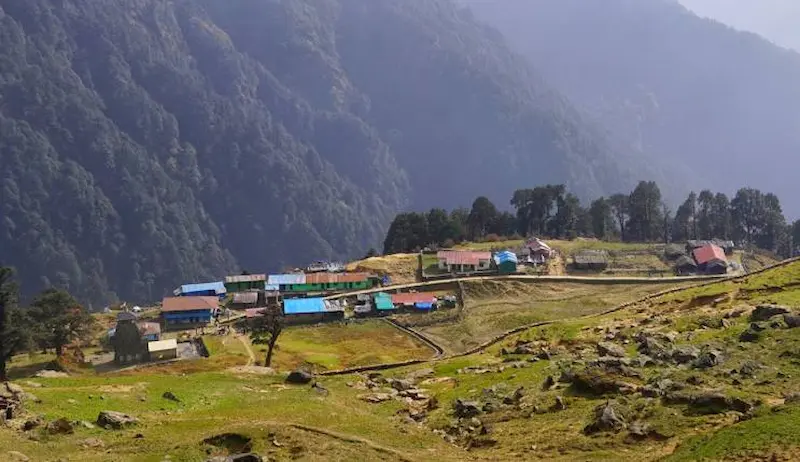
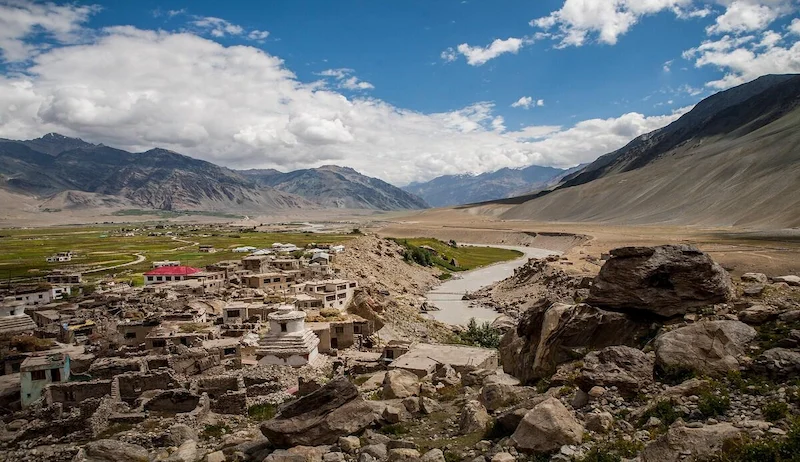
Three Himalayan silence containers
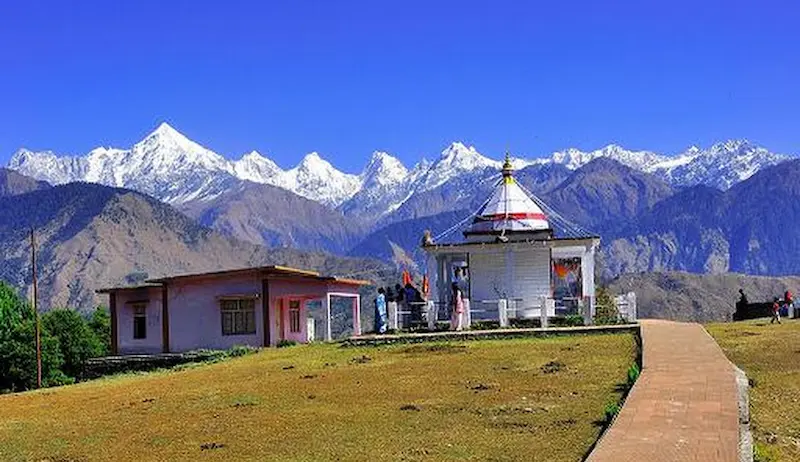
Each location holds silence differently. Forest silence. Geological silence. Alpine silence. Choose based on the quality of quiet your nervous system needs.
Three ways to enter the silence
Choose based on your readiness and intention.
Get Matched
Tell us about your experience and intention — we'll recommend the right format, location, and duration.
Talk to a planner →02Learn What to Expect
Read our detailed guide on what actually happens during a silent retreat — hour by hour, day by day.
Read the guide →03Vipassana vs Our Format
Wondering how we compare to Vipassana? Smaller groups, multiple techniques, nature-integrated. See the differences.
Compare formats →Real retreat experiences
“Seven days of silence in Zanskar changed something fundamental in me. The monastery setting, the altitude, the structured sessions — everything conspired to strip away the noise I had been carrying for years. I went in skeptical of silence retreats. I left understanding why people keep coming back.”
“The Chakrata silent retreat was the hardest and most rewarding thing I have done. Day two was brutal — restlessness, boredom, frustration. By day four, something shifted. The teachers held space without pressure. The forest did the rest. I sleep better now. I think more clearly. Worth every rupee.”
“Well-structured program with genuine depth. The morning meditation sessions at dawn were the highlight. I would have appreciated slightly more guidance during the self-practice blocks, but the teachers were available when asked. The Munsiyari setting is extraordinary — Panchachuli views from the meditation hall.”
First-person accounts from people who have entered the silence.
Related guides
What makes our retreat different
Smaller than Vipassana (50–100 people). Every retreatant is known to the facilitator. You are held, not herded.
Not locked into a single method. Walking meditation, sitting, body scans, breathwork — find what works for your mind.
Silence in a hall is different from silence in a Himalayan forest. Our locations make the landscape part of the practice.
Frequently asked questions
What does "noble silence" mean?
Noble silence means no conversation, no eye contact intended to communicate, no devices, no reading (except personal journalling). The external world of language and social performance is suspended. This is not punishment — it is liberation.
What if I find the silence too difficult?
The first 12–24 hours are often uncomfortable. That is expected. By the second day, something begins to change. If genuine distress arises, facilitators are available for brief, supportive check-ins. You are never truly alone — just quiet.
Is this the same as a Vipassana retreat?
Not exactly. Vipassana follows a fixed 10-day format with a single technique. Our Himalayan silent retreats offer more flexibility — multiple techniques, smaller groups (max 12 vs 50–100), nature-integrated practice, and personalised guidance. Both are powerful approaches to silence.
Do I need meditation experience before a silent retreat?
For Chakrata, no prior experience is required — the environment is gentle and the guidance supportive. For Zanskar, some meditation experience is recommended due to the altitude and remoteness. First-timers often start with a 3-day silent retreat in Chakrata.
What does a day look like during a silent retreat?
Multiple daily meditation sittings, walking meditation in nature, simple meals in silence, rest periods, and gentle movement. The schedule provides structure so you do not need to make decisions. By day three, the body knows the rhythm without checking.
How do I prepare mentally for extended silence?
Reduce screen time 3–5 days before. Let go of expectations. Inform people you'll be unreachable. Bring a journal. Trust the structure — sit when others sit, eat when the bell rings. The container holds you so you don't need to hold yourself.
Enter the Silence
Silence is not something you achieve. It is something you enter. The right location makes entering easier. Tell us where you are and we'll help you find the right container.
Plan My Silent Retreat →