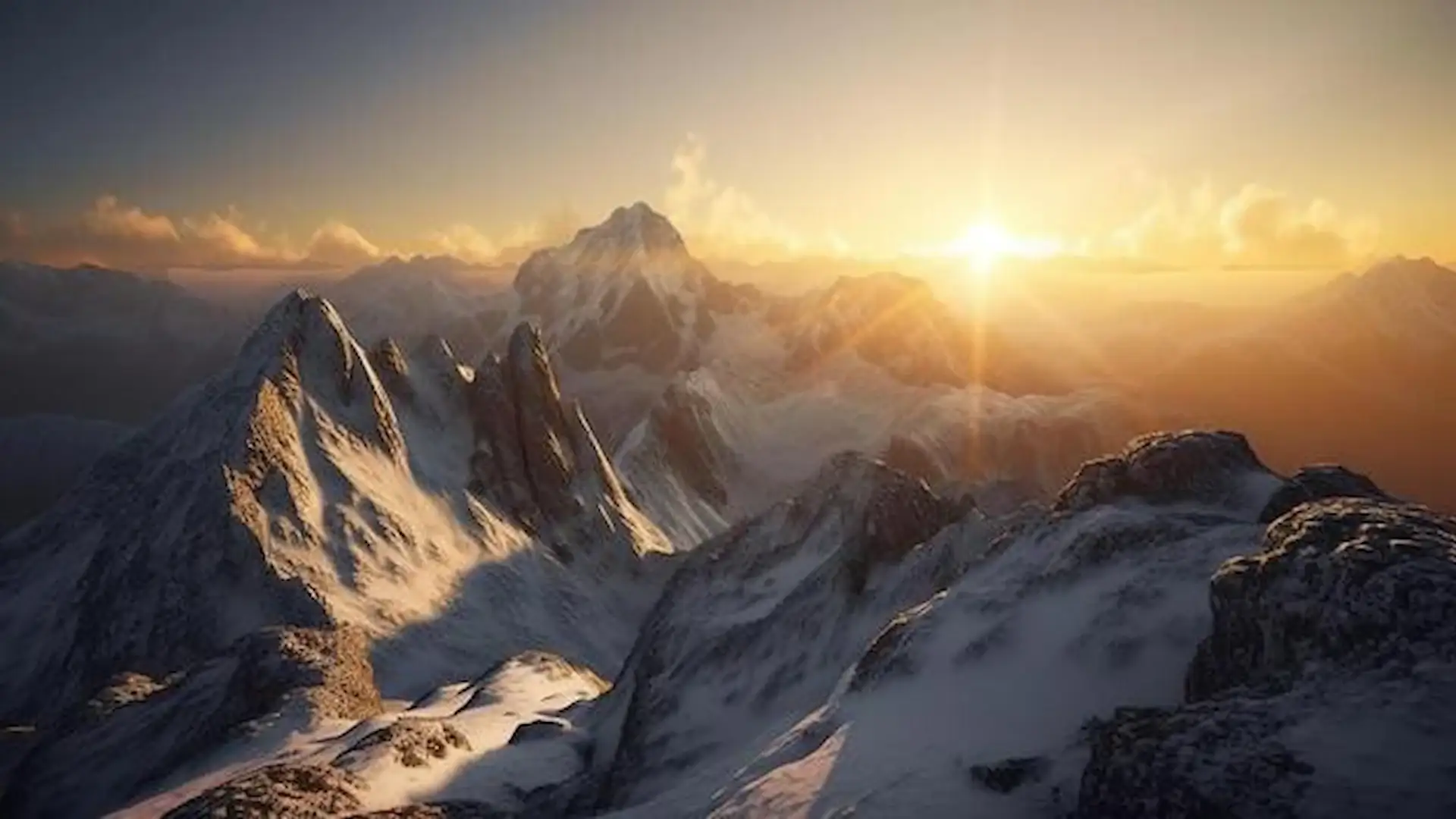
Best 3-Day Treks in Uttarakhand
Two nights, three days. That is all you need for a genuine Himalayan trekking experience — forest trails, ridge views, waterfall destinations, cave explorations, and even a summit attempt if your fitness allows. The 3-day format is the most practical trek duration for anyone working a standard week: depart Friday, trek Saturday and Sunday, return by Monday morning.
What Makes a Trek Suitable for 3 Days?
Not every Himalayan trek compresses into three days. The format works when five factors align.
Travel time under 9 hours from Delhi.
The drive to the trailhead consumes one direction of a day. If the base is more than nine hours away, you lose too much trekking time to travel. Chakrata (6–7 hours) and Sankri (8–9 hours) both fit within the window.
Trail distance under 20 km total.
Three days of trekking at a comfortable pace covers 12 to 18 km total — four to six km per trekking day. This is enough for forest walks, waterfall approaches, and ridge traverses without forced marches.
Altitude below 3,000 metres (standard) or 3,800 metres (compressed).
Chakrata treks stay between 1,800 and 2,500 metres — no acclimatisation needed. A compressed Kedarkantha pushes to 3,800 metres in three days, which demands faster acclimatisation and prior experience.
Clear destination — summit, waterfall, or cave.
A 3-day trek needs a defined objective. Tiger Fall delivers a waterfall. Budher Caves delivers underground exploration. Kedarkantha delivers a summit. The destination gives the short format shape and purpose.
Established base-camp logistics.
Short treks work when accommodation, meals, and transport are professionally managed. Homestays in Chakrata, guided camps in Sankri, and organised transport from Delhi remove the planning burden that makes independent trekking impractical in three days.
Best 3-Day Treks in Uttarakhand
Tiger Fall Trek (Chakrata)
The Tiger Fall Trek in Chakrata is the strongest 3-day trek option in Uttarakhand. Twelve kilometres through dense deodar and oak forest to one of the region's highest direct waterfalls — and back. The trail stays between 1,800 and 2,200 metres, requires no prior trekking experience, and is shaded by forest canopy throughout.
The 3-day format gives this trek room to breathe. Day one: travel from Delhi to Chakrata trek base, settle into a homestay, evening orientation. Day two: full trekking day — forest walk to Tiger Fall, time at the waterfall, return to camp or homestay. Day three: morning nature walk or village exploration, drive back to Delhi. No rushing. No forced marches. The mountain experience has space to land.
Kedarkantha Trek (Short Itinerary Version)
The standard Kedarkantha snow trek is a four-day itinerary with gradual acclimatisation. A compressed three-day version is possible for fit trekkers — combining the first two days into a single long push from Sankri treks to the high camp, followed by summit day and descent.
This is not the recommended format for first-timers. The altitude gain is faster, the daily distances are longer, and acclimatisation time is reduced. But for trekkers who have completed at least one Himalayan trek previously and have strong cardio fitness, the three-day Kedarkantha delivers a snow summit at 3,800 metres within a long-weekend window. The reward-to-time ratio is extraordinary — you stand on a Himalayan peak within 48 hours of leaving Delhi.
Budher Caves Trek (Chakrata Region)
The Budher Caves Trek combines forest trekking with underground exploration — a distinctive experience no other short trek in Uttarakhand offers. Ten kilometres through oak forest to ancient limestone caves, with guided exploration inside. The 3-day format follows the same structure as Tiger Fall: travel day, trek day, return day. Moderate difficulty, no prior caving experience required, and the combination of forest canopy above ground and cave systems below creates a varied experience that holds attention across all three days.
Who Should Choose a 3-Day Trek?
Best Season for 3-Day Treks
The universal best window. Post-monsoon air is clear, trails are dry, temperatures are comfortable, and Himalayan visibility is at its peak. Both Chakrata and Sankri trails are in prime condition. This is the recommendation for anyone booking their first 3-day trek.
Spring brings warming temperatures, wildflowers at lower elevations, and well-defined trails. Chakrata treks are excellent in this window. The compressed Kedarkantha still carries snow in February and early March — ideal for those seeking the winter treks in Uttarakhand experience in a short format.
The summer treks in Uttarakhand window. Chakrata forest trails are shaded and cool while Delhi bakes. Tiger Fall builds volume through May. The green canopy and flowing streams make summer the most visually lush season for forest-based 3-day treks.
Winter adds a dimension to Chakrata — crisp air, occasional frost, and quiet trails. The compressed Kedarkantha is at its snow-covered best. Cold temperatures require proper layering but the reward is a winter mountain experience within a weekend.
Exploring longer itineraries and all difficulty levels? See the full Himalayan treks directory for guided routes across Uttarakhand.
Frequently asked questions
Which is the best 3-day trek in Uttarakhand?
The Tiger Fall Trek in Chakrata is the best 3-day trek in Uttarakhand for most people. It combines a well-graded forest trail, a spectacular waterfall destination, and comfortable overnight camping — all within a 2-night, 3-day format that fits a long weekend. For trekkers wanting a cave exploration component, the Budher Caves Trek offers a distinctive alternative in the same region. For experienced trekkers seeking a summit, the compressed Kedarkantha itinerary is possible in three days but requires strong fitness.
Can Kedarkantha be done in 3 days?
Yes, but it is not the standard format. The standard Kedarkantha itinerary is four days with a gradual acclimatisation schedule. A compressed three-day version is possible by combining the first two days into one longer trek day — covering the distance from Sankri to Juda Ka Talab and then to the base camp in a single push. This requires above-average fitness and fast acclimatisation. Most guided operators offer the four-day format as default. The three-day option is best suited for trekkers with prior Himalayan experience.
Are 3-day treks beginner-friendly?
Yes. Three-day treks are the ideal introduction to Himalayan trekking. The duration is short enough that fatigue does not accumulate, but long enough for genuine mountain immersion — forest trails, overnight camping, and summit or waterfall destinations. Tiger Fall and Budher Caves in Chakrata require no prior trekking experience. Basic fitness — the ability to walk four to five hours per day on uneven terrain — is sufficient.
What is the closest 3-day trek to Delhi?
The Tiger Fall Trek in Chakrata is the closest quality 3-day trek to Delhi. Chakrata is approximately 320 km from Delhi — six to seven hours by road. You can depart Friday evening, trek Saturday and Sunday, and return Sunday evening or Monday morning. Sankri-based treks are eight to nine hours from Delhi and work within a three-day format if you depart Thursday evening or early Friday morning.
What fitness level is required for a 3-day trek?
Moderate baseline fitness is sufficient for Chakrata treks — Tiger Fall and Budher Caves. If you can walk comfortably for four to five hours on uneven terrain and climb five flights of stairs without stopping, you have the foundation. The compressed Kedarkantha requires higher fitness: the ability to walk six to eight hours per day with altitude gain. Two to three weeks of daily walking or light jogging before the trek is recommended preparation for any format.