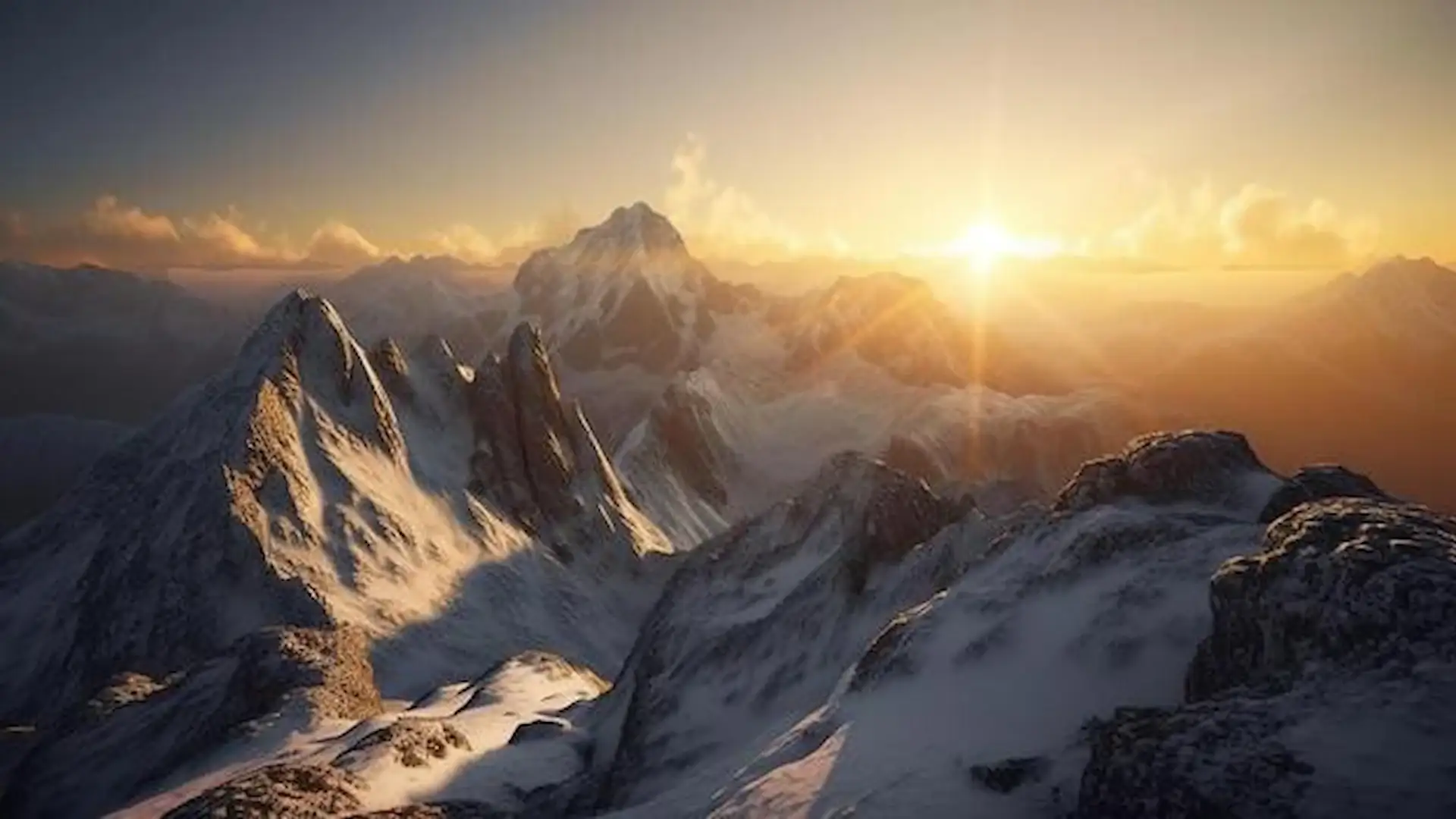
Meditation Retreat and Trek in the Himalayas
Most retreat centres do not offer trekking. Most trekking companies do not understand meditation. We do both — because the combination produces something neither can achieve alone. Stillness experienced in retreat deepens the quality of presence on the trail. Physical engagement with the mountain deepens the quality of sitting practice. The body and mind are not separate systems. A combined retreat and trek treats them as one.
Why Combine Retreat and Trek
- Embodied meditation: Walking 6 hours through mountains after 3 days of silence creates a quality of moving meditation that is impossible to manufacture.
- Physical release: The body stores what the mind processes in retreat. Trekking releases it through movement.
- Altitude acclimatization: Retreat days serve as natural acclimatization before the trek.
- Extended unplugging: 7–10 days without screens or schedules — long enough for genuine recalibration.
- Complete experience: Inner work (retreat) + outer exploration (trek) = the full Himalayan experience.
Sample Combinations
Chakrata: 3-Day Retreat + Weekend Trek (5–6 days)
3 days of meditation in the deodar forest, then 2–3 days of forest trekking to Tiger Falls, Budher Caves, and Deoban. The gentlest combination — ideal for first-timers. See Chakrata retreats.
Sankri: 3-Day Retreat + Har Ki Dun Trek (8–9 days)
Silent retreat in the village, then a classic valley trek through ancient villages and pastoral landscapes. The retreat settles you; the trek carries that stillness through one of the most beautiful valleys in the Himalayas. See Sankri retreats.
Zanskar: 5-Day Monastery Retreat + River Trek (10–12 days)
The most immersive combination. Meditation in the monastery tradition, then trekking along the Zanskar River or to Phuktal Gompa. Trans-Himalayan landscape at 3,500+ m. For experienced practitioners and fit trekkers. See Zanskar retreats.
Explore Independently
Frequently Asked Questions
What is the typical format for a combined retreat and trek?
The most common format: 3–5 days of retreat (meditation, silence, rest) followed by 3–5 days of trekking. The retreat creates inner stillness, and the trek channels that stillness into movement through landscape. Some participants prefer the reverse — trek first to exhaust the body, then retreat to settle the mind. Both work. We recommend retreat-first for most people.
Do I need to be fit for the trekking portion?
Moderate fitness is sufficient for most of our treks. We are not climbing peaks. Typical trek days are 5–7 hours of walking on established trails at 2,000–4,000 m altitude. If you walk regularly and can handle stairs without distress, you can manage the treks. The retreat days before trekking also serve as acclimatization to altitude.
Can I do just the retreat or just the trek?
Absolutely. Both are offered independently. But the combination is more powerful than either alone. Meditation at altitude creates depth. Trekking after sustained silence creates a quality of presence on the trail that most trekkers never access. The two practices are complementary — each enhances the other.
Which locations support both retreat and trekking?
Chakrata offers gentle treks through deodar forests alongside retreat facilities. Sankri is the gateway to classic Uttarakhand treks (Har Ki Dun, Kedarkantha) with retreat options in the village. Zanskar offers the most extreme combination — monastery meditation meets high-altitude trekking in the Trans-Himalaya. Munsiyari provides alpine meadow treks with retreat space.