Retreat vs Vacation: What Is the Difference?
Most people conflate retreats and vacations. Both involve leaving home. Both promise rest. But they work on fundamentally different levels. A vacation changes your scenery. A retreat changes your state. Understanding this difference might be the most important thing you read before booking either one.
The Core Difference
A vacation adds — new experiences, new sights, new pleasures, new meals, new entertainment. A retreat subtracts — removes noise, removes decisions, removes stimulation, removes social performance. Both have value. But they address different needs.
| Vacation | Retreat | |
|---|---|---|
| Purpose | Pleasure, novelty, relaxation | Depth, recalibration, transformation |
| Stimulation | More than usual | Less than usual |
| Devices | Ever-present (photos, maps, reviews) | Removed or minimised |
| Schedule | Self-directed, spontaneous | Structured, held by guides |
| Social | Conversation, companionship | Often silent or minimal conversation |
| Effect | Refreshed, entertained | Changed, recalibrated |
| After-effect | Often fades within days | Often deepens over weeks |
Why Vacations Do Not Fix Burnout
If you are genuinely burned out — not tired, but depleted at the level of meaning and motivation — a vacation will not fix it. You will lie on a beach and still feel empty. You will visit beautiful places and feel nothing. This is because burnout is not a deficit of pleasure. It is a deficit of depth.
A retreat addresses this by removing the conditions that caused the burnout: constant stimulation, decision fatigue, social performance, and the unrelenting pressure to be productive. In a Himalayan retreat, the mountains do not care about your productivity. The forest does not ask for output. This is the medicine. See our burnout recovery retreats. If you are comparing retreat work with clinical support, read our guide to retreat vs therapy.
How to Know Which One You Need
Choose a Vacation If
- You are generally well but need a break from routine
- You want to explore a new place
- You want shared pleasure with friends or family
- You need novelty and stimulation
Choose a Retreat If
- Vacations no longer refresh you
- You feel disconnected from yourself or your work
- You are carrying stress that sleep does not resolve
- You suspect the problem is not tiredness but something deeper
- You need silence more than entertainment
If you are reading this page, the honest answer is probably: retreat.
Why the Himalayas (Not Just Any Retreat)
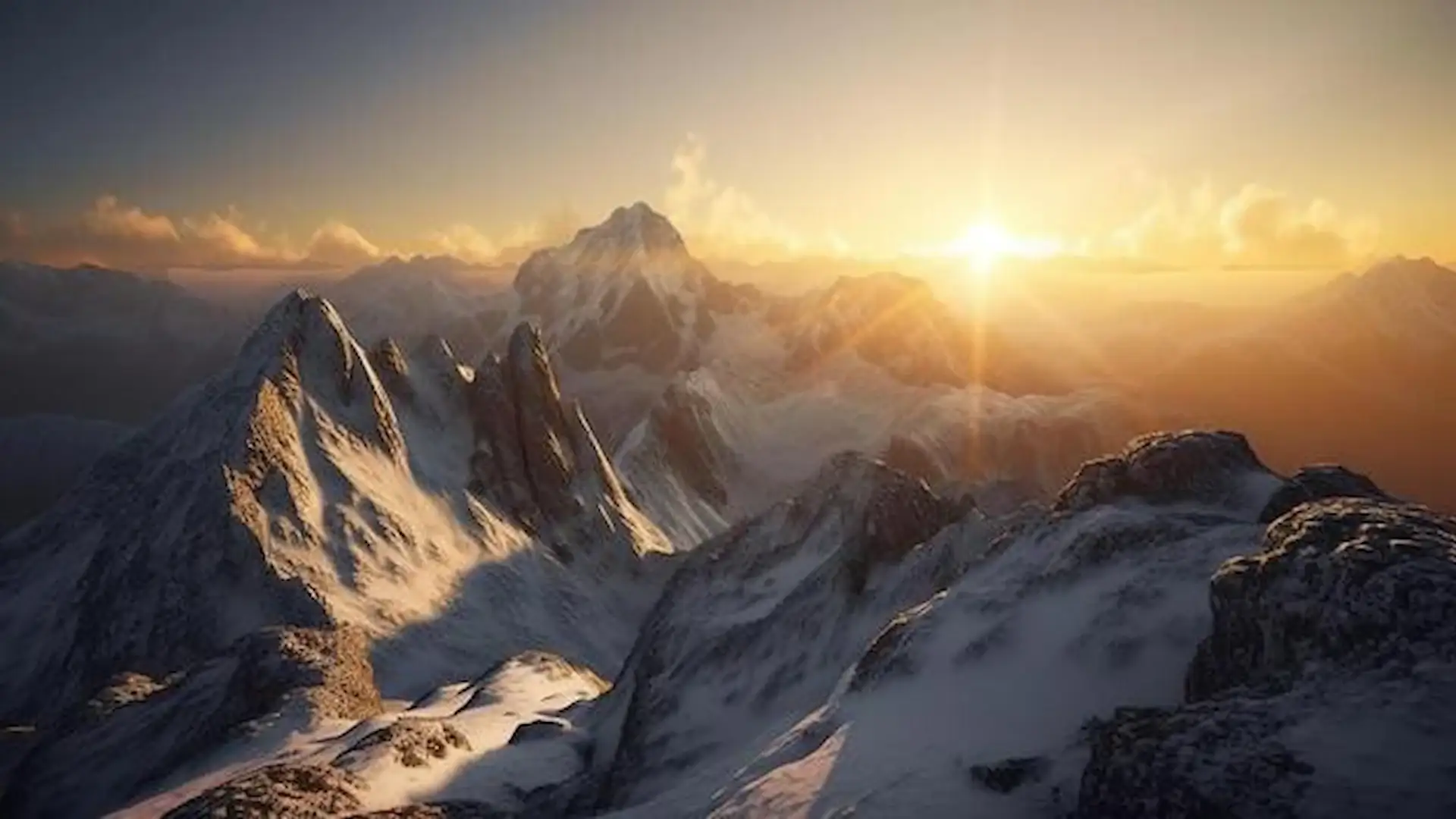
You can do a retreat in a city studio, a suburban centre, or a converted farmhouse. But the Himalayas offer something these cannot: environmental medicine. The altitude naturally slows the mind. The forest acoustics regulate the nervous system. The remoteness creates genuine psychological separation from daily life. The beauty is constant and requires nothing of you.
Explore our retreat locations or read about the specific benefits of Himalayan retreats.
Frequently asked questions
Can a vacation be restorative like a retreat?
A vacation can provide rest and pleasure, but it rarely provides the conditions for deep restoration. Vacations maintain your connection to your identity — you are still you, just in a nicer location. Retreats disrupt that connection by removing the inputs that sustain your habitual self (devices, conversations, decisions, entertainment). If what you need is pleasure and novelty, take a vacation. If what you need is genuine recalibration, choose a retreat.
Is a retreat harder than a vacation?
In some ways, yes. A retreat asks you to give up comfort, distraction, and habitual stimulation. The first day can be uncomfortable — especially on a silent retreat. But the kind of rest a retreat provides is qualitatively different from the relaxation of a holiday. A vacation relaxes the surface. A retreat reaches the depth.
Do I need to meditate on a retreat?
Not all retreats are meditation-focused. Some emphasise yoga, nature immersion, somatic work, or creative expression. What all genuine retreats share is structure, intention, and separation from daily life. If sitting meditation feels daunting, there are retreats that use walking, movement, or nature as the primary practice.
Can I bring my partner on a retreat?
Some retreats welcome couples, though the experience is often individual — especially on silent retreats where you will not be speaking to each other. Attending a retreat with a partner can be meaningful if both people are genuinely seeking the experience. It can be counterproductive if one person is attending to please the other. Discuss intentions honestly before booking together.
How long should a retreat be compared to a vacation?
A vacation can be any length — a weekend getaway works because pleasure is immediate. A retreat needs at least three days for genuine depth. The first day is transition, the second is settling, and the third is where the real work begins. For deeper transformation, five to seven days is optimal. This is why retreats feel like a bigger commitment — because they are.
What if I need both — rest and depth?
Consider a retreat that includes periods of unstructured time in a beautiful environment. Many Himalayan retreats combine practice with free time in nature — you get the depth of meditation and the pleasure of mountain beauty. Chakrata is particularly good for this balance: structured practice plus forest walks, clean air, and genuine rest.