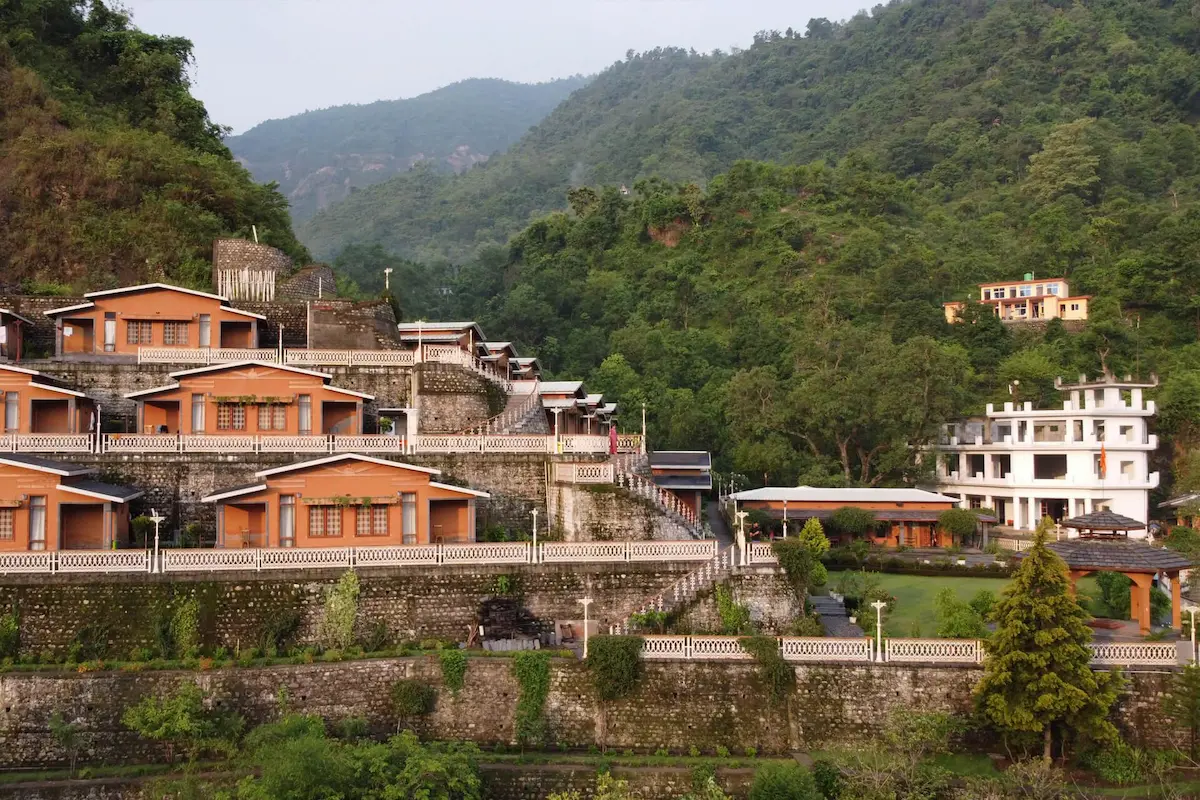
How to Choose a Meditation Retreat
The internet is full of meditation retreats. Choosing the right one is not about finding the best-looking website. It is about matching your nervous system, experience level, and intention to the right environment, duration, group size, and teaching approach.
Environment is the most important factor
The environment where you meditate matters more than the technique. A perfect meditation method in a noisy, commercial, or visually chaotic setting will not go deep. A simple breath practice in a Himalayan forest at 2,000 metres will.
Acoustic quiet
Choose a place without traffic, tourism noise, loud music, or constant movement around the retreat space.
Natural beauty
Forest, mountains, rivers, and open sky support practice better than a conference-room setting dressed as wellness.
Altitude
Even moderate altitude between 1,500 and 2,500 metres can create a sense of spaciousness and natural slowing down.
Remoteness
The retreat should feel far enough from daily life that your nervous system understands this is a real separation.
Duration should be longer than you think
One day is a taster. Three days gives you genuine depth. Five to seven days is where real transformation begins. Ten days or more is for serious practitioners who want sustained immersion.
A taster
Useful for trying meditation in a guided setting, but usually too short for the mind to leave daily momentum behind.
Best for: Curiosity, local workshops
First real reset
Enough time for day-one adjustment, day-two settling, and day-three clarity. The safest meaningful first retreat length.
Best for: Beginners, stress relief
Deeper immersion
The retreat becomes less about resting and more about practice, emotional processing, silence, and genuine pattern interruption.
Best for: Burnout, emotional space
Serious practice
Best for people ready for sustained silence, discipline, and a fuller break from digital, social, and professional identity.
Best for: Experienced practitioners
Choosing for the first time? Start with three days if you want a safe, meaningful reset. Choose five to seven days if you already know you need deeper disconnection.
Choose depth of support, not just a retreat label
A meditation retreat is not only a place and a schedule. The group size and teaching style decide whether you feel seen, guided, and safely supported when silence becomes uncomfortable.
Smaller is better
Large meditation retreats can be affordable, but they often sacrifice depth. You are one of many, the teacher cannot see you clearly, and personal guidance is minimal.
- Small groups allow teachers to notice when you are struggling
- Adjustments can happen in real time instead of through generic instructions
- Shared silence feels more intimate and less anonymous
- Our retreats are capped at 12 participants for this reason
Practice over performance
Choose teachers who can hold practice, not just an audience. A good retreat teacher is more like a mountain guide than a lecturer — they know the terrain and walk it with you.
- Look for sustained personal practice, not only certification
- Choose teachers comfortable with silence themselves
- Avoid retreat formats built mostly around performance or entertainment
- Prioritize lived experience, steadiness, and grounded guidance
Trust signal: the best retreat is not always the biggest or most polished. It is the one where the environment, facilitator, and group container are strong enough to support real practice.
Match the land to your need
A meditation retreat location is not just scenery. The land changes the pace, intensity, safety, and emotional tone of the retreat. Choose the place that supports what you actually need.
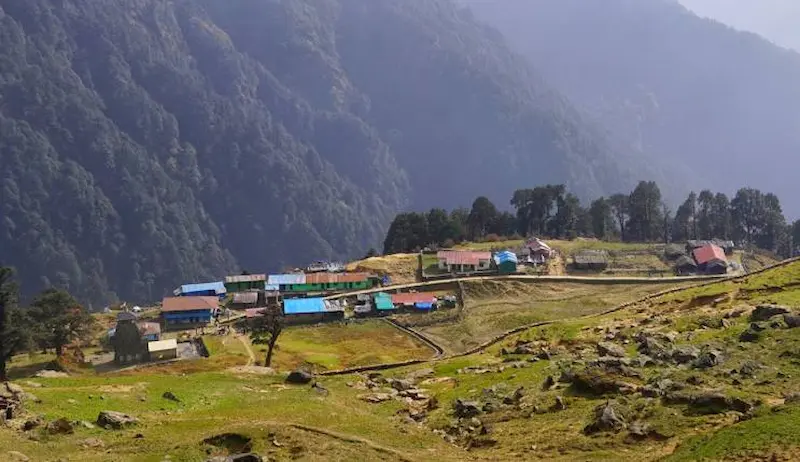
Chakrata
Forest quiet, accessibility, and a nurturing Himalayan pace make Chakrata the safest first choice for many beginners.
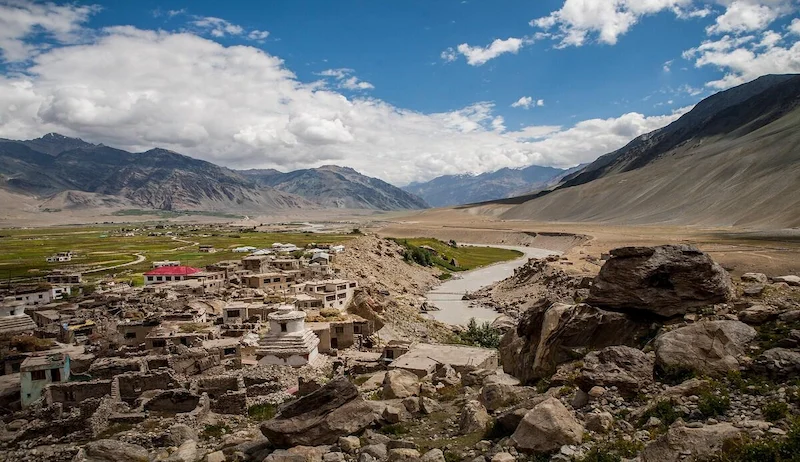
Zanskar
Radical remoteness and monastery lineage make Zanskar more suitable for serious depth than casual reset.
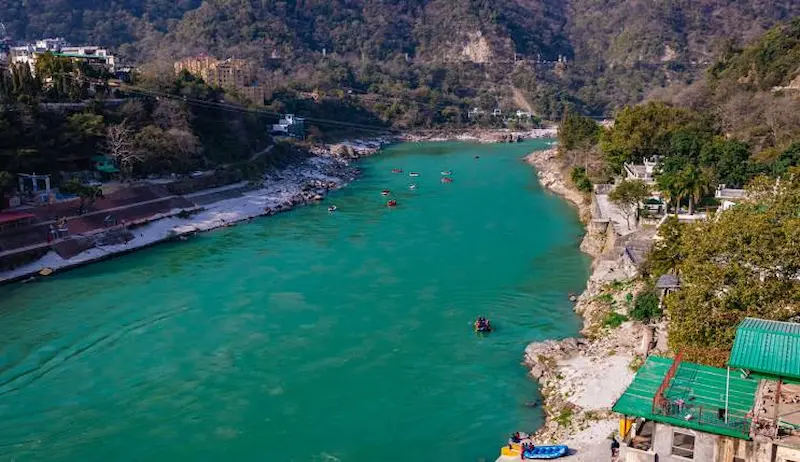
Rishikesh
Sacred geography, the Ganges, and living practice traditions make Rishikesh ideal for yoga-linked meditation.
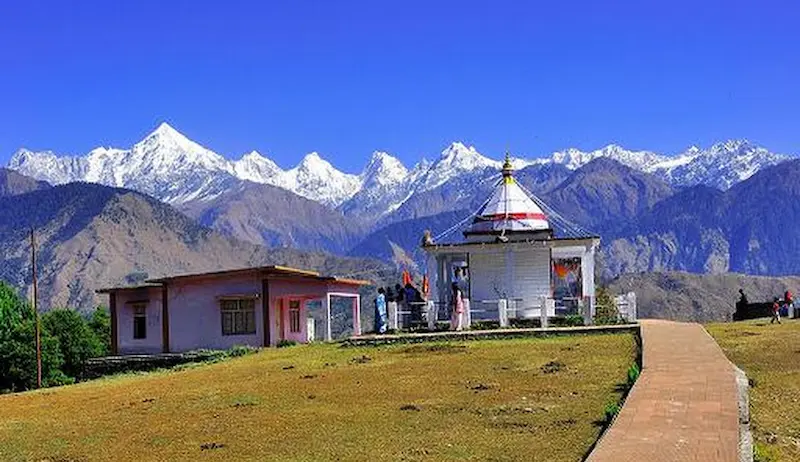
Munsiyari
Alpine openness and Panchachuli views create awe, distance, and a spacious container for deeper stillness.
What to avoid when choosing a meditation retreat
A genuine retreat describes the conditions that support practice. Be careful when a retreat sells certainty, spectacle, or comfort without enough silence, guidance, and space.
Guaranteed outcomes
Avoid retreats promising specific results like guaranteed enlightenment, instant transformation, or permanent peace.
Very large groups
If personal attention is impossible, the retreat may feel anonymous when support is needed most.
Urban noise
A city hotel or noisy tourist area dressed as a retreat can defeat the purpose of meditation practice.
Overpacked schedules
Too many workshops, activities, and talks can leave no real space for stillness or integration.
No lived practice
Ask how teachers live and practise, not just what they advertise or what certifications they list.
Not sure where to start?
Share your experience level, timeline, comfort with silence, and what you are seeking. We can help match you to the right environment, duration, and approach.
Choosing a retreat with confidence
Answers to the questions people usually ask before choosing a meditation retreat: experience level, duration, distance, group size, retreat authenticity, and combining meditation with walking or trekking.
How much meditation experience do I need for a retreat?
None. Many retreats welcome complete beginners with guided instruction. What matters is not experience but willingness — willingness to sit, to be quiet, and to stay with what arises. If you are new, choose a short retreat (3 days) in a gentle environment like Chakrata. If you have a regular practice, longer and more remote options like Zanskar become accessible.
What is the ideal retreat length for a first timer?
Three days is the minimum for genuine depth. Day one is adjustment. Day two is settling. Day three is where something shifts. Five to seven days allows genuine transformation. For a first retreat, three days is a safe, meaningful commitment.
Should I choose a meditation retreat close to home or far away?
Distance matters more than you expect. Travelling far enough that your daily world feels genuinely remote creates a psychological separation that supports the retreat. A retreat 2 hours from home may feel like an extended day off. A retreat in the Himalayas — even if it takes a full day to reach — creates the clean break your nervous system needs. The journey is part of the transition.
Is group size important in a meditation retreat?
Very. Large retreats (30+) can feel anonymous — you are one of many, and individual guidance is rare. Small groups (8–12) allow the teacher to see you, adjust the practice, and offer personal support. In a small group, the shared silence creates intimacy without conversation. This is one of the most important factors most people overlook.
How do I know if a retreat is genuine vs commercial tourism?
Look for three signals: small group size (under 15), experienced teachers who practise what they teach (not wellness performers), and an environment that supports the practice rather than marketing to tourists. Avoid retreats that promise transformation in their advertising — genuine retreats describe the conditions, not the outcome.
Can I combine meditation with other activities like trekking?
Yes, walking and trekking complement meditation practice. In the Himalayas, walking is itself a form of meditation — rhythmic movement, engagement with landscape, breath awareness. Many retreats include walking practice as part of the structure. Locations like Sankri and Munsiyari are particularly suited to integrated retreat-and-trek programmes.