How to Prepare for a Retreat
The retreat does not start when you arrive. It starts when you begin preparing. How you handle the days before — physically, mentally, digitally, and logistically — affects how quickly you settle once you reach the mountains.
Start preparing before you arrive
A retreat settles faster when your body, phone, calendar, and mind have already started slowing down. Use the days before arrival as a gradual transition instead of treating the retreat as a sudden switch.
Begin the transition
Start reducing the inputs that keep your nervous system activated. The goal is not perfection — it is momentum toward simplicity.
- Reduce screen time
- Cut caffeine gradually
- Simplify diet
- Spend time outdoors
Close practical loops
The fewer loose ends you carry into the retreat, the easier it becomes to settle into silence, rest, and practice.
- Finish or delegate work
- Set auto-replies
- Inform key people
- Pack early
Lower information noise
Begin an information fast before the retreat so your mind is not arriving full of headlines, messages, and open loops.
- Stop consuming news
- Limit social media
- Sleep earlier
- Sit quietly for 10 minutes
Let the journey work
Treat the road into the mountains as part of the retreat. Travel can become the bridge between your normal rhythm and retreat rhythm.
- Use airplane mode
- Eat lightly
- Watch the landscape
- Arrive without expectations
Not sure what to prepare for? Tell us your retreat type, dates, and comfort level. We can help you prepare for the specific environment and format.
The journey is part of the retreat
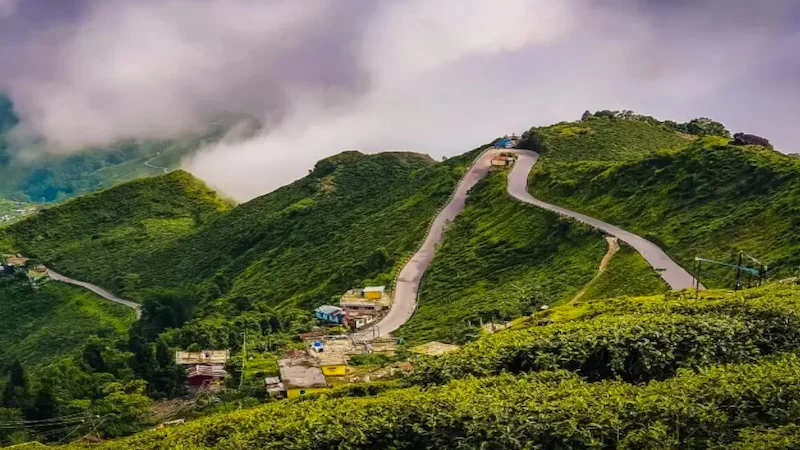
For Himalayan retreats, travel often involves a flight to Dehradun or Leh, followed by hours of mountain road. This journey is not wasted time — it is the psychological transition between daily life and the retreat environment.
Let the road, altitude, forest, and changing landscape begin the retreat before the first session starts.
- Use airplane mode early — Leave your phone on airplane mode once the mountain drive begins.
- Watch the landscape change — Let the visual transition from city to mountain work on your nervous system.
- Eat lightly — Altitude and winding roads can cause nausea, so keep meals simple while travelling.
- Arrive without expectations — Come with openness instead of a fixed idea of what the retreat must give you.
Prepare for what the retreat actually asks of you
You do not need to arrive perfect, peaceful, or highly fit. You need to arrive honest, rested enough to participate, and willing to let the retreat structure support you.
Expect discomfort without treating it as failure
The first day of any retreat — especially a silent one — can include restlessness, boredom, anxiety, or irritation. This is normal. It is the mind adjusting.
- Release the goal of "achieving inner peace"
- Use the intention: "I will show up and stay present"
- Let the schedule, guides, and environment hold you
- Do not judge early restlessness as a sign the retreat is not working
You need comfort, not athletic fitness
You do not need to be fit to attend a meditation or silent retreat. You need to be comfortable sitting for extended periods and able to walk gently on mountain terrain.
Ready to go, but unsure what your retreat requires?
Share your dates, location, retreat type, and comfort level. We can help you understand what to pack, how to prepare, and what to expect before arrival.
Retreat preparation questions
Clear answers for people preparing for their first retreat: when to start, whether to meditate beforehand, what to pack, how to handle work, and what to do if nervousness appears.
How far in advance should I prepare for a retreat?
Two weeks is ideal. In the first week, begin reducing screen time, caffeine, and social commitments. In the second week, simplify further — eat simply, sleep earlier, spend time outdoors. The goal is not to be "retreat-ready" in some perfect sense, but to begin the transition before you arrive. Even small shifts in the last week make a meaningful difference.
Should I meditate before attending a meditation retreat?
It helps but is not required. If you have a practice, maintain it in the weeks before. If you do not, try sitting for 10 minutes daily in the week before — not to build skill, but to familiarise yourself with the act of sitting without distraction. The retreat itself will teach you what you need.
What should I pack for a Himalayan retreat?
Warm layers (even in summer), comfortable loose clothing for sitting, a warm hat and socks for early morning sessions, a journal and pen, any personal medication, and a book for travel days. Leave behind: work materials, multiple devices, tight schedules. Most retreats provide bedding, towels, and meals. Check with the specific programme for details.
Should I tell people I am going on a retreat?
Yes — but briefly. Tell your employer, family, and close friends that you will be unreachable for the duration. Set up an out-of-office reply. The important thing is to create a clean boundary so you are not worrying about unanswered messages during your retreat. The fewer loose ends, the easier it is to settle into silence.
How do I handle work responsibilities before a retreat?
Finish or delegate as much as possible in the week before. The biggest enemy of retreat depth is the unresolved task nagging at the back of your mind. Make a list of everything pending, handle what you can, delegate the rest, and make peace with anything left undone. The work will still be there when you return — and you will be better equipped to handle it.
What if I am nervous about attending my first retreat?
Nervousness is normal and appropriate. You are about to do something unfamiliar, and your mind is doing its job — scanning for risk. Acknowledge the nervousness without trying to eliminate it. Most retreatants report that the anxiety dissipates within hours of arrival, once the structure and environment take over. If this is your first time, choose a shorter retreat (3 days) in an accessible location like Chakrata.