Who This Is For
What to Expect
Understanding Burnout Recovery
Signs You Need a Burnout Recovery Retreat
Burnout develops gradually, which is why it is often misidentified as tiredness, laziness, or depression. The clinical signs — described in the WHO's ICD-11 classification — include three dimensions:
Energy depletion or exhaustion. Not ordinary tiredness. This is the kind of exhaustion that sleep does not fix. You wake tired. Weekends do not restore you. Holidays provide temporary relief that evaporates within hours of returning to work.
Increased mental distance from your job. Cynicism, emotional detachment, or feelings of ineffectiveness replace the engagement that once came naturally. You do the work, but the meaning is gone. Tasks that used to energise you now feel hollow.
Reduced professional efficacy. The quality of your work declines despite effort. Concentration fragments. Decision-making becomes harder. Creative thinking — once a strength — feels like pushing through mud.
Beyond the clinical dimensions, burnout manifests physically: chronic tension in shoulders and jaw, disrupted sleep, digestive issues, frequent illness, and a persistent sense of being on alert even when nothing demands it.
If you recognise three or more of these patterns, you have likely passed the point where rest alone will work. A burnout recovery retreat is not about relaxation — it is about creating the conditions for your nervous system to fundamentally recalibrate.
How Nature Resets the Nervous System
The relationship between natural environments and nervous system regulation is well-documented in psychophysiology and environmental psychology.
Attention Restoration Theory (Kaplan, 1995) demonstrates that natural environments restore directed attention — the cognitive resource that burnout depletes. Urban environments demand continuous directed attention (navigating traffic, processing billboards, monitoring social situations). Nature provides "soft fascination" — birdsong, moving water, dappled light — that engages attention without depleting it.
Autonomic nervous system regulation. Exposure to forest environments measurably reduces cortisol, lowers blood pressure, and shifts the autonomic nervous system from sympathetic (fight-or-flight) to parasympathetic (rest-and-restore) dominance. Japanese research on "shinrin-yoku" (forest bathing) consistently shows these effects within 15 minutes of forest immersion.
Altitude as intervention. At 2,000–3,500 metres, the reduced oxygen naturally slows cognitive processing. The planning, worrying mind — the part of you that burnout has hijacked — becomes quieter with less effort. This is not suppression; it is a physiological shift that allows other modes of awareness to emerge.
Sensory recalibration. Burnout narrows sensory awareness to threat-relevant stimuli (emails, deadlines, social obligations). Time in natural environments gradually widens the sensory field — you begin to notice colour, texture, temperature, and sound in ways that have been suppressed by chronic stress. This sensory widening is both a symptom and a cause of nervous system recalibration.
The Himalayas combine all four mechanisms: forest density, altitude, acoustic silence, and genuine remoteness from stress triggers. The recovery is not metaphorical — it is physiological.
Burnout Recovery Frameworks
Effective burnout recovery follows a sequence — not a checklist. The stages typically unfold over three to ten days depending on the depth of burnout and the retreat environment.
Stage 1: Stopping (Days 1–2). The most important and often the most difficult phase. Genuine stopping means no work, no devices, no problem-solving, no planning. For professionals accustomed to constant productivity, this feels wrong — irresponsible, wasteful, uncomfortable. That discomfort is the first sign that stopping is necessary. The body needs 24–48 hours to accept that the emergency is over.
Stage 2: Release (Days 2–4). Once the system accepts that it can stop, stored tension begins to release. This often manifests as unexpected emotion — grief, frustration, or sadness that has been suppressed during the burnout period. Somatic work (breathwork, gentle movement, body awareness) supports this release without forcing it.
Stage 3: Settling (Days 3–6). The nervous system finds a new baseline. Sleep deepens. Appetite normalises. The constant background hum of alertness quietens. Thinking becomes clearer — not sharper or faster, but more proportionate. Problems that felt overwhelming begin to seem appropriately sized.
Stage 4: Reconnection (Days 5–10). Interest begins to return — not the manic interest of early burnout, but a quieter, more sustainable form. You remember what you actually care about. Values that were buried under obligation resurface. This stage cannot be rushed — it arrives when the system is ready.
Stage 5: Integration. The final phase, which extends beyond the retreat itself. Guidance on maintaining the recovered state, setting boundaries, and recognising early warning signs helps prevent recurrence.
Locations & Environments
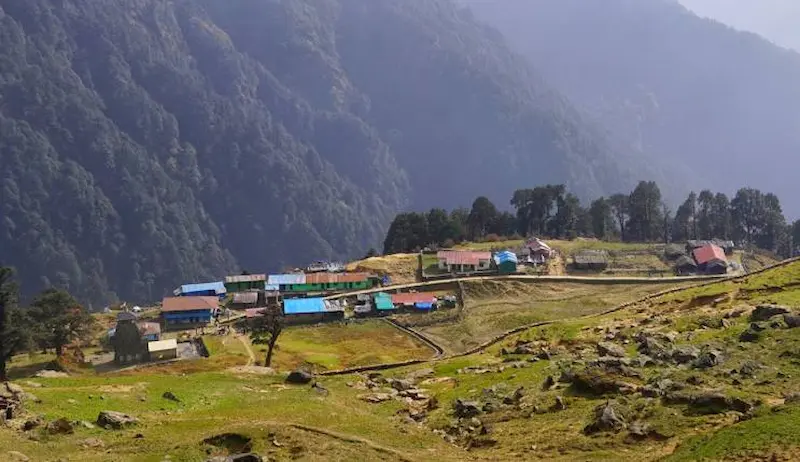
Chakrata — Accessible Recovery
Close enough to civilisation to reach comfortably, remote enough that once you arrive, you have genuinely left. The dense forest creates natural nervous system regulation. Two thousand metres of altitude gently slows the thinking mind. This is the most accessible entry point for burnout recovery — no extreme conditions, just honest separation.
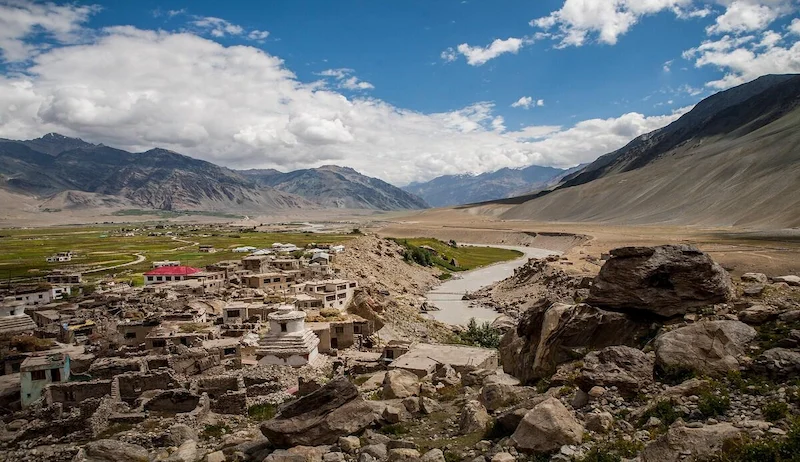
Zanskar — Radical Reset
For burnout so deep that gentle environments are not enough. Zanskar is 230 km from Leh, through mountain passes, in a valley sealed by peaks. The remoteness is the medicine. When every familiar cue is stripped away, the nervous system has nowhere to hide. This is for those ready to be fundamentally recalibrated.
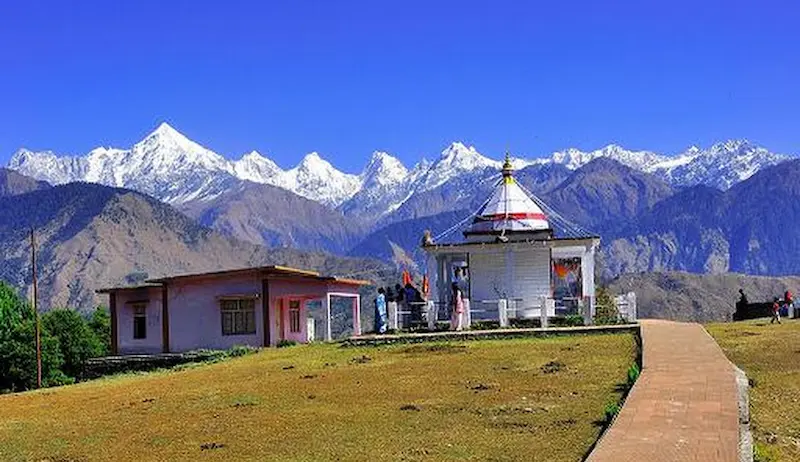
Munsiyari — Alpine Perspective
High-altitude meadows facing the Panchachuli range. The scale of the landscape teaches proportion — your problems become appropriately sized against 7,000-metre peaks. Good for professionals who need perspective alongside rest, and for those who process through walking and movement.
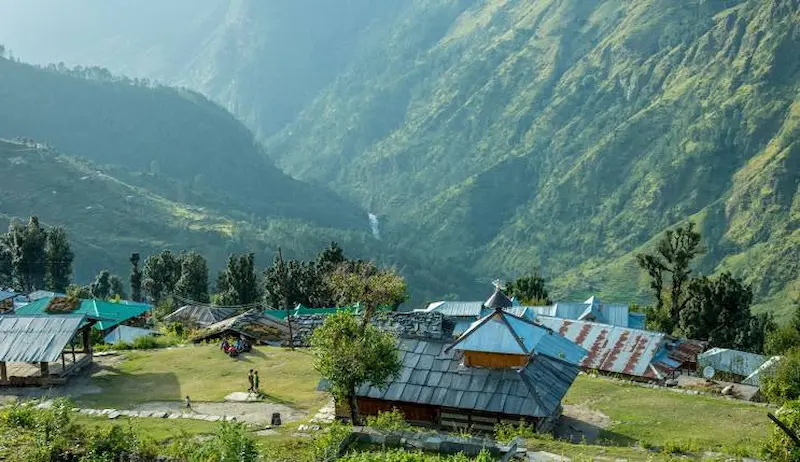
Sankri — Recovery Through Movement
Sometimes burnout needs the body to move before the mind can settle. Sankri offers burnout recovery combined with gentle trekking — walking through forests and valleys as a form of somatic release. For those who cannot sit still yet, but need to start somewhere.
Real Experiences
“I arrived in Chakrata unable to sleep a full night. I left sleeping seven hours. The burnout recovery program does not try to fix you with activities — it creates space for your system to start fixing itself. The facilitators understood burnout from experience, not theory. That matters.”
“After eighteen months of pandemic-era overwork, I needed something more structured than a vacation. The burnout recovery retreat was exactly that. The journaling exercises, the breathing protocols, the deliberate rest — it was designed by someone who understands what chronic exhaustion actually feels like. The monsoon forest in August was an unexpected bonus.”
“The program was thoughtful and effective. Five days gave enough time to genuinely decompress. I especially valued the sessions on recognising burnout patterns — practical tools I still use three months later. Sankri was the right setting: remote enough to disconnect, accessible enough to not add travel stress.”
Burnout recovery is not a luxury. It is a necessity for anyone whose collapse of meaning has become the dominant feature of daily life. The right retreat environment depends on the depth of your burnout and your tolerance for remoteness. Reach out and describe where you are — we will recommend the right location and format without pressure.
Frequently Asked Questions
What is a burnout recovery retreat?
A burnout recovery retreat is a structured program designed to address the physical, emotional, and psychological exhaustion that defines burnout. Unlike a holiday or spa break, a burnout recovery retreat provides the conditions for genuine nervous system reset — extended rest, somatic release, nature immersion, and a break from all the patterns that maintain burnout.
How long does a burnout recovery retreat need to be?
Three days is a meaningful reset for mild burnout. Five to seven days allows for deeper recalibration. Ten days or more is where the most profound shifts occur. The right duration depends on how deep your burnout is and what your schedule allows. Many participants start with 5 days and return for longer when they see the impact.
Do I need to talk about my burnout during the retreat?
No. Our burnout recovery retreats are designed so that the healing happens through environment, rest, and somatic release — not through talking therapy. You are welcome to share, but there is no requirement. Many participants find that the processing happens naturally through the body, not through conversation.
Can I combine a burnout recovery retreat with other programs?
Yes. Burnout recovery can be combined with meditation, silent retreat, or gentle trekking formats depending on your energy level. Some participants add trekking to channel physical release. Others add silence for deeper nervous system rest. Reach out and we will help you design the right combination.
Is a burnout recovery retreat suitable for people who are still working?
Yes, but we strongly recommend taking the full retreat period completely off work. Partial participation (checking emails, taking calls) undermines the recovery process. If you cannot take the full time off, consider a shorter retreat or wait until you can fully disconnect. The recovery requires genuine stopping.
Start Your Burnout Recovery
Take the first step toward genuine rest and nervous system recalibration.