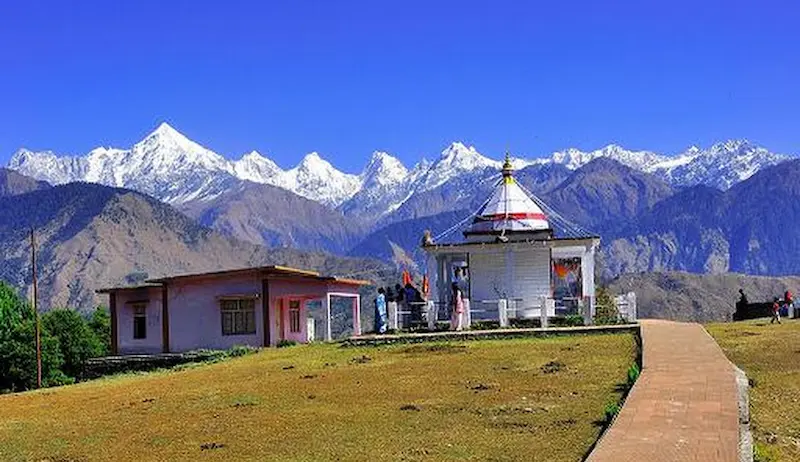
Luxury is privacy, not price
Luxury in the Himalayas is not a marble lobby or a thread-count competition. It is privacy. It is a room with a view of the Panchachuli range where no one knocks unless invited. It is a group small enough that the facilitator knows your name, your intention, and your physical limits before the first session begins. It is food prepared with attention — local ingredients, seasonal menus, meals timed to the rhythm of practice rather than a hotel clock.
The difference matters because most retreat marketing uses “luxury” to mean expensive. What experienced travellers actually seek is a different quality of attention — planned schedules, private rooms, low participant ratios, personal guidance, and an environment where restoration is the architecture, not an afterthought. That is what premium Himalayan retreats deliver.
These programs are designed for people who have stayed at fine hotels and know that comfort alone does not produce change. The mountains provide the setting. The structure provides the container. The luxury is in how precisely the two are combined.
What Makes a Himalayan Retreat Truly Luxury
A premium retreat is defined by limits — fewer guests, more space, deeper individual attention. Standard retreats serve groups of fifteen to twenty-five. Luxury formats cap at six to ten. That ratio changes everything: the yoga teacher adjusts your alignment personally, the facilitator supports your personal process, and the schedule flexes around the group's actual energy rather than a fixed template.
Private rooms with scenic views
Not shared dormitories. Not rooms facing a corridor. Every accommodation in a luxury Himalayan retreat is private, positioned for mountain views, forest canopy, or valley sightlines. The room is part of the practice — morning light through the window becomes the first grounding of the day.
Planned scheduling
Standard programs follow fixed timetables. Premium programs build in choice. Extended morning practice for those who want depth. Free time that is genuinely free. Afternoon options — a private sound healing session, a solo forest walk, a one-on-one breathwork consultation — rather than a single group activity.
Elevated food quality
Meals in luxury retreats are not canteen service. Ingredients are locally sourced — Himalayan herbs, seasonal vegetables, regional grains. Meals are prepared with dietary awareness and served at a pace that respects the day's rhythm. Eating is part of the restoration, not a break from it.
Personal wellness guidance
A luxury retreat includes at least one private session — whether breathwork, meditation instruction, movement assessment, or intention-setting dialogue. This is the line between group wellness and personalised transformation.
Best Destinations for Luxury Himalayan Retreats
Not every Himalayan location supports a luxury format. Remoteness, natural quality, accommodation, and small group size all determine which destinations qualify.
Munsiyari — Alpine Privacy and Panchachuli Views
Munsiyari is the strongest luxury retreat destination in the Indian Himalayas. At 2,200 metres in the Kumaon region, it faces the Panchachuli massif — five peaks above 6,000 metres that dominate the northern horizon. The visual scale is unmatched by any comparable retreat location in Uttarakhand. Mornings begin with alpenglow on snow. Evenings close with the range turning copper before dark.
What makes Munsiyari genuinely premium is how remote it is. Twelve hours from Delhi by road, it receives a fraction of the visitors that Rishikesh or even Chakrata attract. There are no tourist crowds, no commercial strip, no ambient noise. The village operates at a pace that mirrors the retreat rhythm rather than competing with it.
Retreat accommodation here offers private rooms with direct mountain views, heated facilities for shoulder-season stays, and outdoor practice spaces at the meadow edge. Sessions run against a backdrop that makes any designed environment feel unnecessary — the landscape is the architecture. For guests seeking the highest-quality immersive experience in India, Munsiyari is the obvious choice.
The remoteness also means that group sizes are naturally small. Premium programs here rarely exceed six guests, creating an intimacy that larger locations cannot manufacture. Facilitators have the space to work with individuals. The silence between sessions is genuine — not enforced, but held by the setting.
Sankri — Boutique Forest Retreats
Sankri sits in the upper Tons Valley near the Govind Wildlife Sanctuary — dense pine and oak forests, glacial river sound, and genuine wilderness at the doorstep. The luxury feel here is different from Munsiyari. Where Munsiyari offers alpine grandeur, Sankri offers forest intimacy.
Premium retreat stays in Sankri feature boutique accommodation in traditional Himalayan-style structures — stone and wood, heated rooms, locally crafted interiors. Practice spaces sit within earshot of the river. Forest walks move through trails that feel untouched. The participant ratio is kept under eight, and the surrounding wilderness ensures that the retreat container extends well beyond the property boundary.
Sankri is eight to nine hours from Delhi — accessible enough for extended stays of four to seven days, which is the optimal format for luxury programming. Participants who choose Sankri tend to value depth over spectacle: deep forest quiet, sustained practice, and the meditative quality of river-valley living.
Chakrata — Quiet Executive Escape
Chakrata serves the luxury segment differently — as an accessible premium option for senior professionals who need quality without the time commitment of a remote journey. Six to seven hours from Delhi, it offers cantonment-area calm, deodar forests, and ridge-line setting at 2,200 metres.
Premium Chakrata retreats suit four-to-five-day formats — arrive Monday, depart Friday, re-enter work with minimal schedule disruption. Private rooms on forest edges, guided wellness programming, and low-density group sizes make this the executive-retreat choice for those who prioritise efficiency alongside restoration.
Who Chooses a Luxury Himalayan Retreat
Premium-tier retreats attract a clear participant profile — people for whom time is the most expensive resource and who will not compromise on environment quality.
- Senior professionals and C-suite executives — carrying built-up decision fatigue and requiring a reset environment that matches the quality standard they maintain elsewhere in life.
- Founders and entrepreneurs — operating at sustained pressure, seeking a contained pause that is clear enough to prevent work-creep but flexible enough to respect their autonomy.
- International travellers — visiting India for high-quality wellness retreat time, expecting accommodation and facilitation standards comparable to premium retreat centres in Southeast Asia or Europe.
- Couples seeking private retreat — shared transformation in a setting that supports both individual practice and joint experience, without the social dynamics of large groups.
- Small private groups — corporate leadership teams, close friend circles, or family units who want an private booking with custom plans.
If shorter duration fits better, our weekend Himalayan retreats offer guided two-to-three-day formats at all locations — a practical entry point before booking to an extended luxury stay.
What to Expect in a Premium Mountain Retreat
Private transfers
Luxury retreats include managed transport from the nearest rail or air hub. For Munsiyari, transfers coordinate from Kathgodam station. For Sankri, from Dehradun. For Chakrata, from Dehradun or Delhi direct. You do not navigate logistics — the journey is handled from the moment you step off the train.
Extended stay formats
Premium programs typically run four to seven days. This duration allows a genuine arc — arrival and decompression, deepening practice through mid-stay, settling in the final days. Shorter luxury formats of three nights are available for those with tighter schedules, particularly in Chakrata. For guidance on optimal retreat duration, see our comparison of three-day versus five-day retreat formats.
Scenic accommodation
Every room is selected for its relationship with the landscape — sight, sound, and air quality. In Munsiyari, this means Panchachuli views. In Sankri, forest canopy proximity. In Chakrata, ridge-top a setting among deodars. The room is not where you sleep between sessions — it is an extension of the retreat container.
Flexible scheduling
Premium programs offer guided flexibility. Core sessions — morning yoga, guided meditation, nature time — anchor the day. Between them, guests choose: private burnout recovery consultations, extended solo walks, additional bodywork, or simply rest. The schedule adapts to the group rather than the group adapting to the schedule.
Limited participant intake
This is the non-negotiable of luxury programming. Groups are capped at six to ten across all locations, with some Munsiyari programs accepting as few as four. Smaller groups mean deeper facilitation, less social negotiation, and a setting where real quiet is respected rather than merely tolerated.
Investment range
Luxury Himalayan retreats typically range from ₹35,000 for a three-night private-room weekend in Chakrata to ₹1,20,000 or more for a seven-night premium retreat in Munsiyari with dedicated facilitator access. The main cost variables are duration, accommodation tier (private room with mountain view versus standard private), teacher-to-guest ratio (1:4 costs more than 1:8), and inclusion of private one-on-one sessions such as breathwork, sound healing, or wellness consultations. All luxury-tier programs include private rooms as standard — shared accommodation does not exist at this level. Meals, transfers from the nearest hub, and all guided sessions are included in the quoted price. The only typical add-ons are long-stay charges and private session upgrades beyond the standard plan.
Seasonal Planning for Luxury Retreats
Each season shapes the luxury retreat experience differently. October and November are the premium window — clear Himalayan skies, comfortable temperatures, and peak visual clarity across all three locations. The Panchachuli range from Munsiyari in late October is arguably the finest mountain view available in Indian wellness travel.
April through June suits guests escaping summer heat — temperatures at altitude remain fifteen to twenty-five degrees cooler than the plains. For seasonal guidance, see our summer Himalayan retreats guide covering all four locations.
September through November offers the clear air after monsoon that photographers and visual-landscape seekers value most. Sankri's forests turn gold in October. Munsiyari's snowline descends visibly week by week. Chakrata's ridges sharpen against autumn blue. Luxury retreats during this window fill earliest — advance booking of six to eight weeks is best.
Exploring all formats? Himalayan retreats in India covers every duration, location, and program type across the network.
Frequently Asked Questions
What is included in a luxury Himalayan retreat?
A luxury Himalayan retreat includes private rooms with scenic views, all meals prepared with local ingredients, daily yoga and meditation sessions with experienced teachers, private wellness check-ins, guided nature walks, and transfers from the nearest transport hub. Most premium programs also include one-on-one breathwork or sound healing sessions, guided journaling materials, and personal scheduling. Group sizes are capped at six to ten guests to ensure personal attention throughout.
Are rooms private in a luxury retreat?
Yes. All luxury-tier retreats offer private rooms as standard. In Munsiyari and Sankri, rooms are positioned for mountain or valley views with private bathrooms. Shared accommodation is not part of the premium format. Couples receive private rooms with more space and privacy. The accommodation itself is part of the experience — designed for rest, reflection, and visual link with the surrounding landscape.
Which Himalayan destination is the most private?
Munsiyari is the most private destination in the network. Its remoteness — roughly twelve hours from Delhi — naturally filters visitors. The Panchachuli range backdrop, alpine meadow access, and very few tourists create a setting that closer destinations cannot match. Sankri offers comparable solitude in a forest setting. Chakrata provides a quieter executive-retreat format with easier access. Each serves a different meaning of privacy.
Is Munsiyari suitable for retreats year-round?
Munsiyari operates retreat programs from late March through November. The peak season — April to June and September to November — offers the clearest skies and most comfortable temperatures. Winter brings heavy snowfall that limits road access and outdoor programming, making December through February impractical for most retreat formats. Monsoon months (July–August) see reduced visibility but lush landscapes — programs run with adjusted indoor-outdoor balance during this window.
How far in advance should I book a luxury Himalayan retreat?
Four to six weeks is recommended for standard dates. For peak-season windows — October, November, April and May — booking six to eight weeks ahead is best, as premium programs have few rooms by design. Long weekends and festival holidays fill fastest. Last-minute availability is sometimes possible outside peak season, but the planned nature of luxury programs means advance booking ensures the best room allocation and schedule flexibility.
How is a luxury retreat different from a luxury hotel stay?
A luxury hotel provides comfort and service. A luxury retreat supports personal change within that comfort. The difference is structure — guided yoga, meditation, breathwork, nature time, guided reflection and digital detox are woven into a planned flow. You are not simply staying somewhere beautiful; you are participating in a guided process of rest. The room quality is similar, but the intent is very different.