Best Autumn Treks in Uttarakhand (September–November)
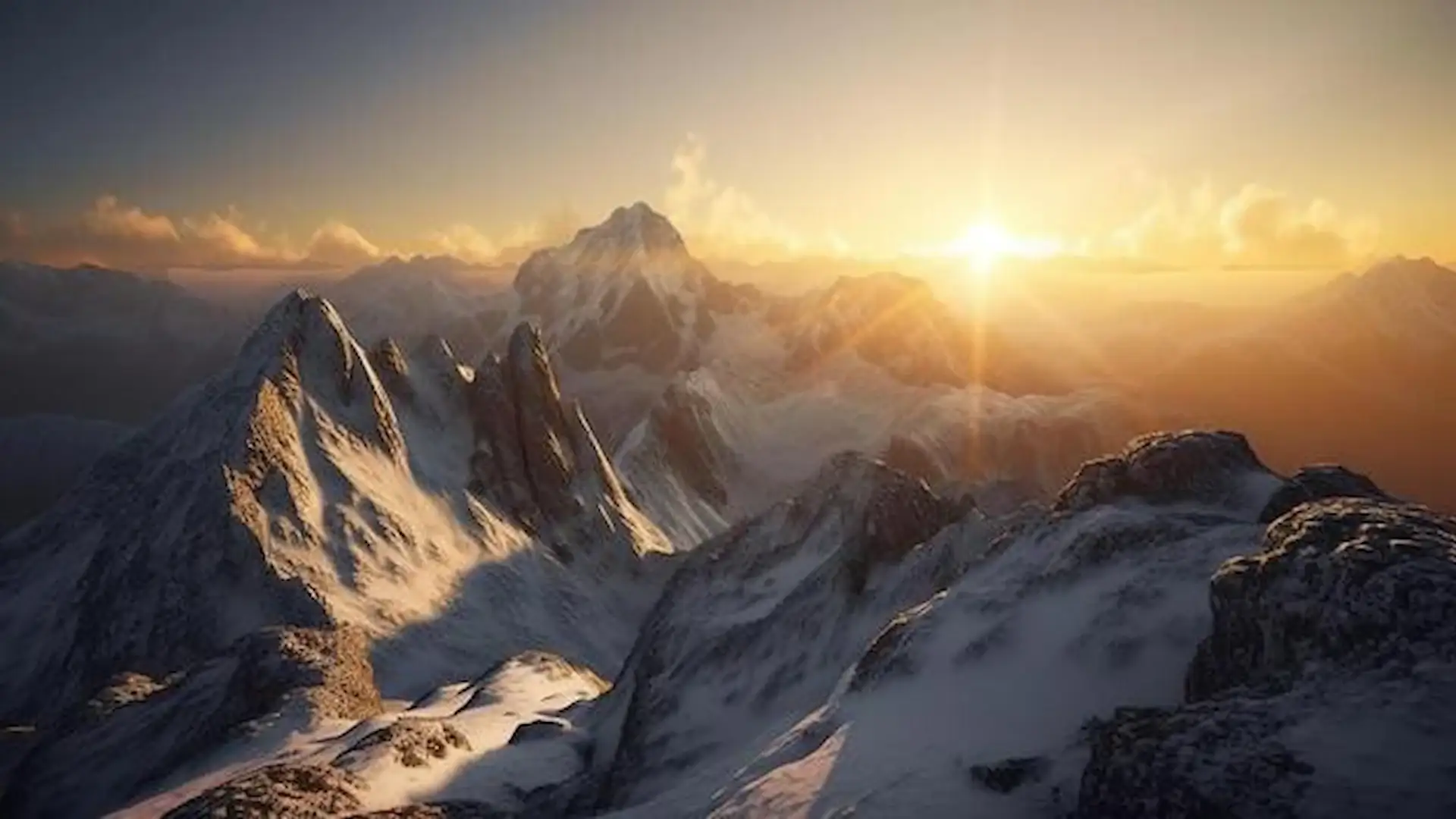
Autumn (September–November) is the sharpest trekking season in Uttarakhand. The monsoon washes out haze, leaving crystal-clear skies and razor-sharp mountain views. Trails are dry, temperatures are comfortable, and crowds thin after the summer rush.
10 treks match this filter
Explore all routes in our Best Treks in Uttarakhand guide.
Best Autumn Treks in Uttarakhand Quick Comparison
| Trek | Altitude | Duration | Difficulty | Best Season |
|---|---|---|---|---|
| Chakrata Weekend Trek | 2100 m | 2 Nights / 3 Days | Easy | March, April, September, October, November |
| Chakrata Tiger Fall Trek | 2000 m | 2 Nights / 3 Days | Moderate | July, August, September, October |
| Chakrata Budher Caves Trek | 2050 m | 2 Nights / 3 Days | Moderate | February, March, April, October, November |
| Chakrata Guided Treks | 2000-2400 m | 1-3 Days (flexible) | Moderate | February, March, April, September, October, November |
| Kuari Pass Trek (3,876m) – The Lord Curzon Trail | 3,876 m (12,716 ft) | 5 Days / 4 Nights | Moderate | March, April, May, October, November |
| Roopkund Trek (4,800m) – The Skeleton Lake Expedition | 4,800 m (15,750 ft) | 7 Days / 6 Nights | Challenging | May, June, September, October |
| Khaliya Top Trek (3,500m) – The Ultimate Munsiyari Viewpoint | 3,500 m (11,480 ft) | 4 Days / 3 Nights | Moderate | March, April, May, September, October, November |
| Milam Glacier Trek (3,450m) – The Old Indo-Tibet Trade Route | 3,450 m (11,318 ft) | 10 Days / 9 Nights | Challenging | May, June, September, October |
| Har Ki Dun Trek (3,566m) – The Valley of Gods | 3,566 m (11,700 ft) | 7 Days / 6 Nights | Moderate | April, May, June, September, October, November |
| Dayara Bugyal Trek (3,750m) – The Great Himalayan Meadow | 3,750 m (12,300 ft) | 4 Days / 3 Nights | Easy | January, February, March, April, May, October, November |
Best Autumn Treks in Uttarakhand Detailed Overview
Chakrata Weekend Trek
Experience the charm of Chakrata on this easy weekend trek. Perfect for trekking beginners and families, this route takes you through pine forests, grasslands, and offers panoramic mountain views. Trek during the day, camp under the stars at night.
View full trek details →Chakrata Tiger Fall Trek
Trek to the spectacular Tiger Fall, where crystal-clear waters cascade down mountain cliffs. This trek combines forested trails, river crossings, and swimming at the waterfall base. Best visited during monsoon and post-monsoon seasons.
View full trek details →Chakrata Budher Caves Trek
Discover the ancient Budher Caves, a fascinating natural and historical site in Chakrata. This trek combines moderate hiking with cave exploration, offering glimpses into the region's past and pristine nature.
View full trek details →Chakrata Guided Treks
Explore Chakrata with expert guides who know every trail, viewpoint, and hidden gem. These guided treks combine adventure with education, offering insights into local ecology, culture, and mountain living.
View full trek details →Kuari Pass Trek (3,876m) – The Lord Curzon Trail
Kuari Pass holds an elite status among Himalayan trekking routes. Also known as the Lord Curzon Trail, this moderate trek snakes its way through the Nanda Devi Biosphere Reserve, beginning from Joshimath and concluding at the famed Auli ski slopes. Over five days, trekkers ascend to a maximum altitude of 3,876 metres (12,716 ft), weaving through varying landscapes that include ancient oak canopies, expansive alpine meadows known as "bugyals", and high-altitude, rocky ridges. The undeniable draw of the Kuari Pass trek is the mountains. You aren't just walking towards one peak; you are walking alongside a gallery of giants. The trail acts as a natural balcony presenting a 180-degree unobstructed vista of the Eastern Garhwal Himalayas. You will clearly see Mount Nanda Devi (7,816 m)—the jewel of India—along with Dronagiri, Hathi Ghoda, Kamet, and the Chaukhamba massifs. It is rare to get such high-altitude views on a trek that demands so little physical hardship. Ideal for families, determined beginners, and seasoned hikers seeking visual rewards rather than grueling punishment, the trek is exceptionally beautiful in two distinct windows. In spring (March to May), the lower forests erupt in vibrant rhododendron blooms and the upper meadows begin taking on lush green tones. In autumn (October to November), the monsoon has washed thousands of miles of atmosphere clean, leaving the mountains looking razor-sharp against crisp, blue skies, while the foliage turns into a sea of golden yellow.
View full trek details →Roopkund Trek (4,800m) – The Skeleton Lake Expedition
The Roopkund Trek is the undisputed legend of the Indian Himalayas. Starting from the basecamp of Lohajung in Uttarakhand, this 7-day, 53-kilometre expedition pushes trekkers to a staggering altitude of 4,800 metres (15,750 feet). The final destination is a shallow glacial lake, locked in ice for most of the year, famous for the hundreds of ancient human skeletons visible in its waters—remains that radiocarbon dating traces back to a catastrophic hailstorm in the 9th century. While the macabre history of the lake is the primary draw, the actual journey there is what makes Roopkund structurally flawless as a trekking route. The trail acts as a textbook showcase of Himalayan biomes. You begin in dense, ancient forests of rhododendron and oak, climb out above the tree line onto the twin alpine meadows of Ali and Bedni Bugyal—which roll endlessly like green velvet oceans—and finally enter a hostile, high-altitude alpine zone of black rock, sharp scree, and permanent snow at Bhagwabasa and Roopkund. This is a challenging trek. It is NOT for beginners. The altitude gain is aggressive, the air is thin, and the weather above 14,000 feet is notoriously unpredictable. Trekkers must possess excellent cardiovascular endurance and prior high-altitude experience (such as Kuari Pass or Kedarkantha). For those prepared, Roopkund offers an unparalleled sense of achievement and the absolute sharpest, most intimidating views of the Trishul and Nanda Ghunti massifs available in Garhwal.
View full trek details →Khaliya Top Trek (3,500m) – The Ultimate Munsiyari Viewpoint
Khaliya Top is a broad, sweeping alpine meadow perched at 3,500 metres (11,480 ft) on a pronounced ridgeline hanging directly above the town of Munsiyari. It is universally regarded as offering the finest, most accessible viewpoint in the entire Kumaon region of Uttarakhand. The summit is not a jagged, hostile peak; it is a vast, rolling grassy plateau that puts you at direct eye-level with the colossal Panchachuli massif, Nanda Devi East, Rajrambha, and Hardeol across the northern horizon. On clear autumn mornings, the panoramic visibility from Khaliya Top stretches nearly 200 kilometres. The trekking route itself is a sheer joy. Beginning near Munsiyari, you ascend rapidly through incredibly dense, silent forests of oak and rhododendron. The trail climbs roughly 1,300 vertical metres over the course of just 8 kilometres. This means the gradient is steep and demands cardiovascular effort, but the terrain is completely non-technical. There are no glacial crevasses to navigate, no dangerous scree slopes, and no major river crossings. It is a pure, sustained uphill hike through pristine nature. Khaliya Top is uniquely positioned for a variety of trekkers. For first-timers, it is the perfect introduction to true Himalayan altitude. For seasoned mountaineers, it serves as the mandatory acclimatization hike before embarking on the massive Milam Glacier or Ralam Glacier expeditions. For working professionals or photographers short on time, it compresses the visual rewards of a 10-day trek into a highly efficient 3-4 day weekend itinerary.
View full trek details →Milam Glacier Trek (3,450m) – The Old Indo-Tibet Trade Route
The Milam Glacier Trek is one of the longest and most culturally significant expeditions in the Indian Himalayas. Located in the remote Pithoragarh district of the Kumaon region, this 10-day, 118-kilometre journey begins from the spectacular town of Munsiyari. It follows the exact route of the ancient Indo-Tibetan trade corridor through the Johar Valley. The destination is the massive Milam Glacier—a 16-kilometre long river of ancient ice that serves as the treacherous source of the roaring Goriganga River. While the glacier is the physical objective, the soul of this trek lies in its history. As you trek progressively deeper into the valley, you encounter the "ghost villages" of the Bhotiya people. Settlements like Bogudiar, Martoli, and Bilju were once fiercely wealthy trading hubs. Following the 1962 Indo-China war and the subsequent locking of the Tibetan borders, the economy collapsed, and the villages were largely abandoned overnight. Trekking through Martoli, with its hundreds of empty stone houses sitting completely silently against the massive backdrop of the Nanda Devi East and Trishuli peaks, is a profoundly haunting experience. From a physical standpoint, the Milam Glacier trek is a masterclass in endurance. Interestingly, the altitude ceiling is relatively low (peaking at roughly 3,450 metres / 11,318 ft), completely neutralizing the severe risks of Acute Mountain Sickness (AMS). The true difficulty is simply the relentless distance. You must walk for 5 to 8 hours daily over undulating, sometimes heavily broken trails, crossing terrifyingly powerful rivers via basic suspension bridges, and scrambling over chaotic boulder moraines near the glacier snout. It is explicitly designed for seasoned trekkers looking to graduate from 5-day climbs to true, multi-week Himalayan survival.
View full trek details →Har Ki Dun Trek (3,566m) – The Valley of Gods
Har Ki Dun, widely referred to as the Valley of Gods, is a legendary 7-day trek starting from the basecamp village of Sankri in Uttarakhand. Set deep within the protected Govind Pashu Vihar National Park, the trail follows the magnificent Supin River all the way to a spectacular, cradle-shaped glacial valley sitting at 3,566 metres (11,700 ft). Unlike demanding summit expeditions like Kedarkantha or Pangarchulla, the Har Ki Dun trek is defined by its gradual, forgiving altitude profile and its immense cultural richness. Over the course of 47 kilometres, trekkers weave in and out of dense forests of blue pine, silver birch, and Himalayan oak. The trail passes directly through isolated, historic mountain hamlets like Gangad, Puari, and the famous Osla village, where wooden houses with intricate carvings dangle off the sheer valley walls. The isolation of these villages means the culture is astonishingly preserved; traditional weaving, ancient farming practices, and unique local deities define everyday life here. The trek culminates at the Har Ki Dun valley itself—a sprawling, intensely green meadow intersected by glacial streams, sitting directly beneath the monumental Swargarohini Massif. According to the Mahabharata, Swargarohini (literally "Stairway to Heaven") is the peak the Pandavas climbed to reach the afterlife. Sitting in the meadow, watching the sunset paint Swargarohini gold, it is impossible not to feel the deep, spiritual gravity of the landscape. Because of its manageable altitude and well-defined trail, Har Ki Dun is the absolute gold standard for families, beginners, and anyone looking for a long, deeply immersive Himalayan walk without extreme physical punishment.
View full trek details →Dayara Bugyal Trek (3,750m) – The Great Himalayan Meadow
For many seeking their first taste of the high Himalayas, the Dayara Bugyal trek represents the perfect induction. Located in the Uttarkashi district of Uttarakhand, this 4-day, 22-kilometre trek is famous for culminating at one of the finest and largest alpine meadows (Bugyals) in the entire country. Peaking at an altitude of 3,750 metres (12,300 ft), the trek is perfectly engineered to offer maximum visual reward with minimal physical punishment. The journey begins from the quaint village of Barsu, plunging immediately into incredibly deep, silent forests of oak, pine, and rhododendron. The tree cover is so absolute that you often walk in cool shade until you reach the intermediate campsite at Barnala Tal. The pristine Barnala lake, surrounded by pine trees, sets the stage for the dramatic reveal on Day 3. Moving past the treeline, you step out onto Dayara Bugyal—a 28-square-kilometre expanse of rolling, velvety alpine grass that stretches as far as the eye can see. The sheer scale of the meadow is what leaves trekkers speechless. It is so vast that it feels like walking on a green ocean. Looming directly over these meadows are the colossal snow-capped peaks of the Gangotri range, most notably the towering Bandarpoonch massif and Black Peak. Whether you do this trek in the spring to witness the meadows explode with wildflowers, or in the dead of winter (January) when the entire bugyal turns into a pristine, undulating snowfield, Dayara Bugyal is an experience that stays with you forever.
View full trek details →Brahmatal — The Ideal First Snow Trek
Frozen lake, snow-covered ridges, and Himalayan views. 4 days, moderate difficulty, no technical sections.
Frequently asked questions
Why is autumn the best trekking season in Uttarakhand?
Post-monsoon air is the clearest of the year. Mountain visibility peaks in October — Nanda Devi, Trishul, and Panchachuli are razor-sharp from sunrise to sunset. Trails are dry and firm. Temperatures are comfortable for camping.
Which treks are best in October?
Kuari Pass offers the best panoramic visibility. Roopkund has the most reliable post-monsoon weather window. Har Ki Dun is at peak autumn colour. Khaliya Top has clear Panchachuli views. October is the single best month for Uttarakhand trekking.