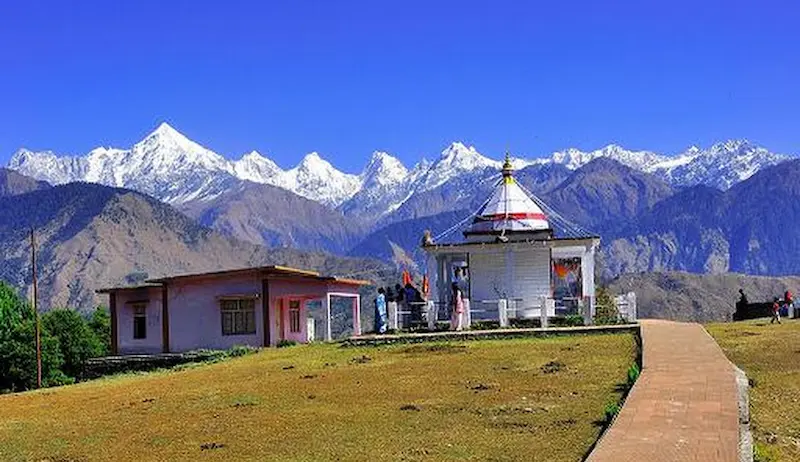
Munsiyari
High-altitude alpine meadows for transformation and embodied presence.
“Munsiyari is not chosen casually. It is chosen for transformation through terrain and altitude. Three thousand six hundred meters above sea level, in the high alpine meadows of the eastern Himalayas, this is where the body becomes clear and the mind strips down to what matters. The effort to reach here is part of the work. The altitude is not decoration — it is medicine.”
Why High-Altitude Stillness Works in Munsiyari
Munsiyari offers the rarest combination: world-class high altitude for retreat work + alpine terrain for serious trekking. The same elevation that creates profound clarity also enables multi-day high-altitude journeys. A traditional retreat can transition into a trek, or trekking days can be bookended with silent practice. This is the place where transformational silence and transformational movement converge.
Why Transformation Happens in Munsiyari
Serious Altitude Medicine
Three thousand six hundred meters is high enough to genuinely shift neurology. Oxygen reduction, slower pace, clarity of thought. This altitude does active work on your system.
Alpine Solitude
Munsiyari is not a destination — it is a basecamp for high wilderness. Few tourists arrive. Fewer stay. The isolation is real and sustained.
Embodied Presence Requirements
Travel here is not restorative tourism. You feel the altitude in your legs and lungs. This physiological reality grounds you completely in the present moment.
Seasonal Closure
Heavy snow closes Munsiyari from November through April. This creates natural rhythm and prevents overtourism. The mountain controls access.
Places & Sights
Panchachuli Peaks Viewpoint
Five peaks rising above 6,300 metres, named for the five cooking hearths of the Pandavas. From Munsiyari town, the entire massif fills the northern horizon — snow-covered year-round, catching first light at dawn and last light at dusk. This is the defining visual of Munsiyari. Every morning begins with these peaks.
Best time: Year-round (clearest October–November)
Khaliya Top Meadow
A summit meadow at 3,500 metres offering 360-degree views of the Greater Himalayan range. In spring, the meadow is carpeted with rhododendron and wild iris. In autumn, the grass turns copper beneath an enormous sky. This is where Munsiyari reveals its alpine character — vast, exposed, and profoundly quiet.
Best time: May–October
Birthi Falls
A 126-metre waterfall cascading down a rock face into the Gori Ganga valley. During monsoon, the falls are massive and thundering. In autumn, the water thins to silver threads against dark rock. The walk to the base passes through dense temperate forest — the approach is as significant as the destination.
Best time: Year-round (peak monsoon)
Milam Glacier Approach
The ancient Johar trade route to Tibet follows the Gori Ganga river upstream toward the Milam Glacier at 3,450 metres. The trail passes through abandoned trading villages — Martoli, Burfu, Rilkot — where stone houses stand empty, still holding the shape of lives once lived. This is archaeology through walking.
Best time: June–September
Darkot Village
A Bhotiya village near Munsiyari where traditional woollen weaving is still practiced. Stone and wood houses sit on terraced hillsides above the valley. The village preserves Indo-Tibetan cultural patterns — architecture, cuisine, and ritual — that are disappearing elsewhere in the Kumaon. Visiting Darkot is encountering living heritage.
Best time: Year-round
Gori Ganga Valley
A deep river valley carved by glacial melt from the Milam and Ralam glaciers. The Gori Ganga moves fast and cold through a narrow gorge, flanked by steep forest and exposed rock. The valley creates its own weather — mist forming and dissolving throughout the day. Walking along it is walking through geological time.
Best time: May–October
Soft Experiences
Dawn Watch from Munsiyari
Standing on any ridge near town before sunrise and watching first light hit the Panchachuli peaks. The snow turns from grey to pink to gold over fifteen minutes. The valley below remains in shadow. This daily phenomenon is free, requires no effort beyond waking, and is impossible to photograph accurately. You must witness it.
Alpine Meadow Sitting
Walking to any of the meadows above treeline — Khaliya, Balanti, or unnamed grass plateaus — and sitting for an extended period. At 3,000+ metres, the silence has physical texture. Wind moves differently. Sound carries differently. Your breathing becomes the loudest thing present. The meadow teaches a form of attention that lowland environments cannot.
Bhotiya Kitchen Sharing
Accepting an invitation into a Bhotiya kitchen for salted butter tea and simple dal-roti. The cooking happens on wood fire. The conversation is sparse. The hospitality is genuine and unperformative. This is not a cultural experience — it is a human one, and it recalibrates how you think about generosity and simplicity.
Glacier River Immersion
Wading into the Gori Ganga where it pools near town — water at 4–6°C from glacial melt. The cold is immediate and complete. Two minutes is enough. The physiological response — vasodilation, endorphin release, sharpened awareness — lasts for hours. This is the oldest form of hydrotherapy, delivered by geography.
Cloud Forest Walking
During monsoon, the forests between 2,000–3,000 metres fill with cloud. Walking through them means walking through visibility that changes every twenty metres — dense white, then sudden clearance, then dense again. Moss covers everything. The forest drips. You cannot see far, so attention pulls inward. This is natural sensory restriction, and it is profoundly calming.
Why People Come to Munsiyari
People typically seek Munsiyari for:
Transformation Through Difficulty
For those ready to be changed by conditions. The altitude, remoteness, and effort are not obstacles — they are catalysts. What emerges is different.
Embodied Awakening
When the mind needs to be brought into the body. High altitude, thin air, movement through terrain — the body becomes the teacher.
Vision Quest & Threshold Work
For people at decision points or crossroads. Munsiyari's rawness and intensity create conditions for genuine insight and re-orientation.
Alpine Solitude & Completion
For advanced practitioners seeking genuinely remote conditions. Munsiyari is not a wellness retreat — it is wilderness immersion with intentional design.
Retreats in Munsiyari
Meditation & Silence
Drop into the depth that silence reveals, with guidance and sanctuary.
Explore Journey →Yoga Retreats & Movement
Personal-practice Yoga retreats with asana, pranayama, and meditation; current dates and programme details are confirmed by enquiry.
Explore Journey →Private & Custom
A retreat designed entirely around your needs, timeline, and intentions.
Explore Journey →Treks from Munsiyari
Milam Glacier Trek (3,450m) – The Old Indo-Tibet Trade Route
Milam Glacier trek from Munsiyari through the Johar Valley, abandoned villages, and remote Kumaon terrain on a challenging 10-day route.…
Explore Trek →Khaliya Top Trek (3,500m) – The Ultimate Munsiyari Viewpoint
Khaliya Top trek from Munsiyari, a 3–4 day meadow route with wide Panchachuli and Nanda Devi views above the Kumaon Himalayas.…
Explore Trek →Essential Information
Best Seasons
Late June–September. This is the only window when roads are passable and weather is stable. October is possible but unpredictable.
Accessibility
Most remote of our locations. 18+ hours from Delhi (driving + trekking). Accessible only during the brief summer window. Requires fitness and altitude tolerance.
Crowd Profile
Minimal tourist presence. Primarily experienced trekkers and mountaineers. The place itself is wild, not domestic.
Not For
If you seek comfort, easy accessibility, or preference for warm weather — Munsiyari is not suitable. If altitude sickness is a concern or fitness is limited, choose lower locations.
Timing & the Alpine Rhythm
May – Early June — Awakening
Snow has melted. Alpine meadows emerge. Days are long and cool. The world is opening. Good for people capable of altitude and seeking upward energy.
Late June – September — Peak Season
Clear skies, stable weather, fully accessible routes. Nights are cold, days are crisp and sharp. This is the optimal window for all retreat types at Munsiyari.
October — Transition
Early snow may arrive. Sky is unpredictable. The mountain is shutting down but still accessible. For people seeking intensity and close to wilderness closure.
November – April — Closed
Heavy snow. Roads closed. Munsiyari becomes inaccessible. The mountain withdraws. Not available for retreat work.
Munsiyari is one of five Himalayan locations we work with — each chosen for different kinds of inner work. We return to Munsiyari for people seeking altitude medicine, genuine remoteness, and the particular alchemy of high wilderness and personal transformation. If you are seeking rest without challenge, accessible beauty, or cultural immersion, other locations (Mussoorie, Rishikesh) may be more aligned. Munsiyari is for people ready to be changed, not just rested.
If this description resonates — if you recognize yourself in one of these intentions, or want to explore whether Munsiyari is the right place for your transformation — reach out. We will help you decide whether this mountain and altitude are what you are truly seeking.