The mountains do the work of withdrawal
There is a kind of silence that cities cannot produce. Not the absence of sound — but a stillness that enters the body and settles the nervous system before any technique is applied. Uttarakhand holds this silence. In the Himalayas, at altitude, surrounded by forest or facing glacial peaks, the conditions for sustained meditation exist naturally. You do not have to manufacture them.
A meditation retreat here is not an escape from life. It is an intervention — a structured pause that allows the mind to process what months of constant input have accumulated. Guided sittings, walking meditation through deodar groves, breath awareness beside mountain rivers, and long periods of noble silence. The Himalayan environment does not just support meditation. It demands it. The quiet is so complete that the mind has nowhere to go but inward.
Why the Himalayas Are Ideal for Meditation
Meditation traditions have gravitated toward mountains for millennia — not for romance but for neurology. Altitude reduces oxygen pressure slightly, which naturally slows metabolic rate and promotes parasympathetic activation. The body relaxes. The breath deepens. The cognitive chatter that dominates urban waking hours loses its fuel. Rishikesh and the upper Himalayan valleys have hosted contemplative practice for centuries precisely because the environment makes stillness easier than agitation.
Forest settings compound this effect. Deodar canopy filters light into soft, diffuse patterns. Birdsong replaces traffic. The air carries no particulate load, no chemical signature. Breathing becomes conscious without instruction — the body notices the difference and responds. Studies on forest bathing confirm what practitioners have always known: time in dense natural canopy reduces cortisol, lowers heart rate, and increases parasympathetic tone. A meditation retreat in this context starts working before the first guided session.
Then there is the scale. Sitting in view of peaks that rise to 6,000 metres changes the psychological frame. The mind, confronted with geological time and massive space, releases its grip on the small urgencies that normally consume it. Alpine environments create a natural sense of perspective that is the starting point — not the goal — of serious meditation practice.
Best Places for a Meditation Retreat in Uttarakhand
Each location in Uttarakhand serves a different depth of practice. Accessibility, remoteness, and environmental character determine which setting matches your intention and experience level.
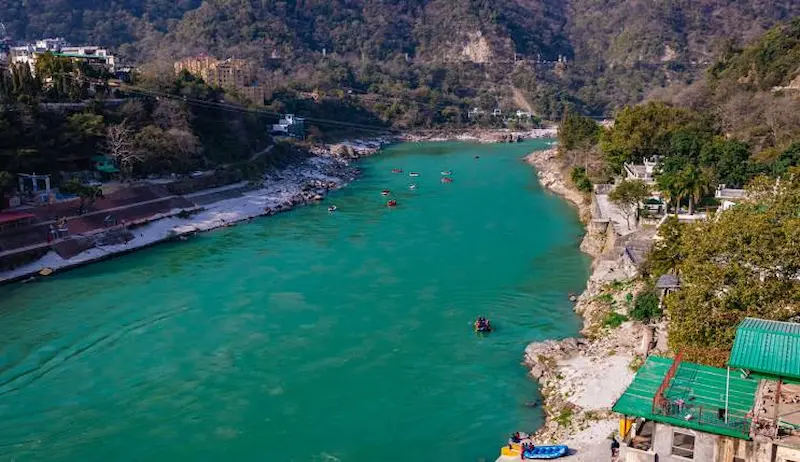 Traditional Ashram
Rishikesh
Ganges-side guided silence. The most accessible, most beginner-friendly meditation destination in the Himalayas — five to six hours from Delhi.
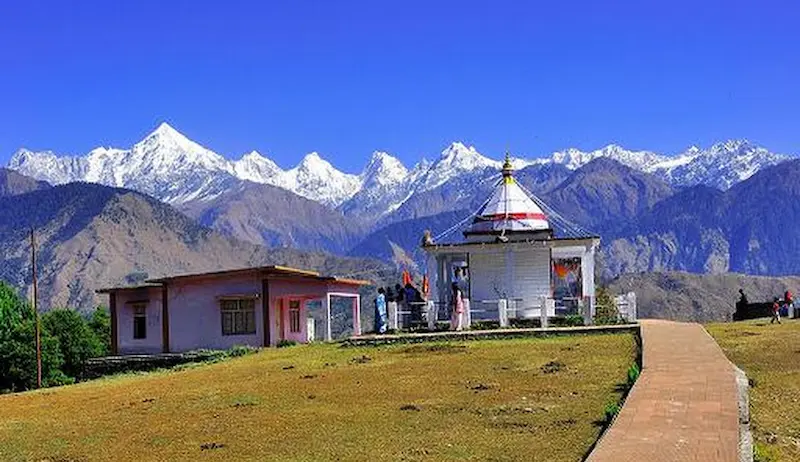 Deep Solitude
Munsiyari
Panchachuli views, twelve hours from Delhi. Silence is not practised here — it is the default state. Best for three nights or longer.
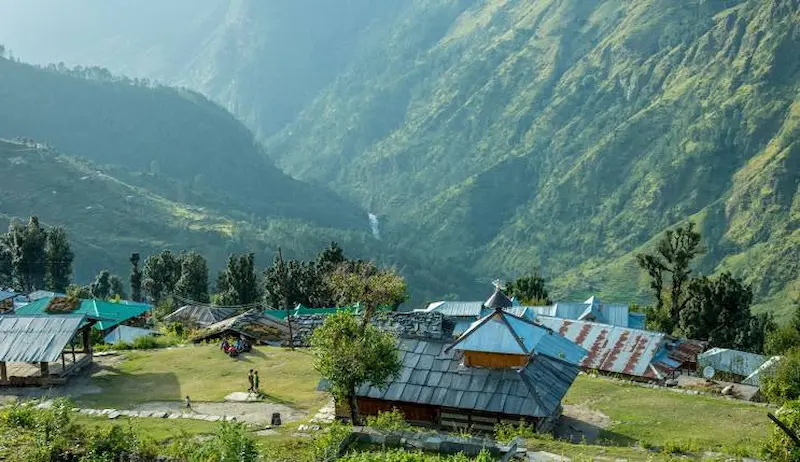 Forest Immersion
Sankri
Upper Tons Valley, pine forest and glacial rivers. A middle path — genuine wilderness without the full commitment of a high-altitude journey.
Rishikesh — Traditional Ashram and Guided Silence
Rishikesh is where most meditation journeys in India begin. The town's ashram infrastructure has supported contemplative practice for generations — guided Vipassana sits, mantra meditation, and pranayama-based concentration techniques are all available within established lineages. The Ganges provides a constant sonic backdrop: not silence in the absolute sense, but a natural sound floor that holds attention without stimulating it.
What makes Rishikesh meditation programs strong for beginners is the structure. Sessions are facilitated. Instructions are clear. Sitting periods build gradually — twenty minutes, then thirty, then forty-five. Walking meditation on the riverbank between sittings allows the body to integrate without losing the thread of awareness. For first-time silent retreat participants, this scaffolding is essential.
Rishikesh is five to six hours from Delhi — the most accessible serious meditation destination in the Himalayas. Weekend and three-day formats are practical here without sacrificing depth.
Munsiyari — Deep Mountain Solitude
Munsiyari occupies a different register entirely. Perched high in the Kumaon Himalayas with direct views of the Panchachuli massif, this is a place where silence is not practised — it is the default state. The remoteness removes choice: there is no café to visit, no market to browse, no notification to check. The environment enforces withdrawal, and the meditation deepens accordingly.
Munsiyari retreat programs are best suited for participants who want extended silence — three nights minimum, ideally five to seven. The journey itself is long, which filters for seriousness of intention. Once there, the practice container is among the most powerful in Uttarakhand. Early morning sittings facing Panchachuli at sunrise. Walking meditation through rhododendron forest. Afternoon journaling in complete quiet. Evening sessions as the peaks turn gold, then grey, then dark.
This is not a beginner location. It is the destination you graduate into when shorter, more accessible retreats have established your foundation.
Sankri — Forest-Based Meditation Immersion
Sankri sits in the upper Tons Valley near the Govind Wildlife Sanctuary — pine forests, glacial rivers, and the kind of wilderness density that makes indoor structured meditation feel natural rather than imposed. The Sankri meditation retreats combines meditation with nature immersion: forest sits, riverside breath awareness, and walking practice on trails where the canopy closes overhead. Eight to nine hours from Delhi, it works best for extended weekends or dedicated retreat blocks. The remoteness is less extreme than Munsiyari but deeper than Rishikesh — a middle path for practitioners who want genuine wilderness without the full commitment of a high-altitude journey.
What to Expect in a Meditation Retreat
A meditation retreat is not a yoga retreat with less movement. It is a fundamentally different container — one built around stillness, silence, and inward attention. Here is the typical structure across our Uttarakhand locations.
- Silent periods. Most retreats begin noble silence after the evening orientation and maintain it through the following morning. Extended formats may hold silence for twenty-four to forty-eight hours. This is not punishment — it is the removal of the primary source of mental agitation. Participants consistently report that silence becomes comfortable, even welcome, within hours.
- Guided sittings. Three to four facilitated meditation sessions per day. Techniques vary — breath counting, body scanning, open awareness, mantra, or loving-kindness practice. Sessions start at twenty minutes and build. Instruction is verbal and precise. You are not left alone to struggle.
- Walking meditation. Slow, deliberate movement on forest paths or riverside tracks. This is not exercise — it is meditation in motion. Attention stays with the feet, the breath, the sensory field. Walking sessions between sittings prevent physical stiffness and integrate awareness into the body.
- Breath awareness. Dedicated pranayama sessions that bridge meditation and the body. Alternate nostril breathing, box breathing, and extended exhale techniques. At altitude, breath practice carries a distinctive quality — the thinner air makes each breath more conscious.
- Journaling. Structured reflection periods with prompts. Writing anchors insight that might otherwise dissolve. Most retreats provide journals and dedicated quiet time for personal processing.
- Digital detox. Devices are stored on arrival. No exceptions. The retreat begins the moment the screen goes dark. This single structural element — not a suggestion, not optional — is what separates a retreat from a holiday with meditation attached.
Meals are vegetarian, eaten in silence during extended silent periods, and timed to support the practice rhythm. Evening sessions often include sound healing retreats — singing bowls and overtone instruments that quiet the nervous system before sleep.
Who Should Choose a Meditation Retreat
Meditation retreats serve anyone willing to sit with stillness. But certain life situations make them particularly effective.
- Burnout professionals. If your mind races at night, if decisions feel heavier than they should, if you cannot remember the last time you felt genuinely rested — a meditation retreat addresses the root cause. Sustained silence and guided practice interrupt the chronic overthinking loop that burnout creates.
- Experienced meditators seeking depth. A home practice of twenty minutes per day has a ceiling. Retreat immersion — six to eight hours of practice daily in a mountain environment — breaks through that ceiling. Insights and states that take months to approach in daily life can emerge within days of sustained retreat practice.
- Spiritual seekers. If you are drawn to contemplative traditions — Buddhist, Hindu, or secular mindfulness — Uttarakhand holds the lineages and the land. Rishikesh for guided spiritual practice. Munsiyari for solitary depth. The mountains have hosted seekers for millennia. The infrastructure of seeking is built into the landscape.
- First-time silent retreat participants. The idea of extended silence can feel intimidating. It should not be. Structured retreats hold you through the process. Facilitators are present. The schedule provides rhythm. Most first-timers report that the hardest part is the first three hours — after that, the mind begins to settle and silence becomes natural. Start with a two-night format in Rishikesh. Build from there.
Best Time for a Meditation Retreat in Uttarakhand
The contemplative quality of a meditation retreat shifts with the seasons. Each window offers a different character — choose the one that matches your intention.
October to November
Post-monsoon air is washed clean, Himalayan visibility is at its peak, and temperatures are cool without being cold. Morning sittings in this season carry an extraordinary clarity — sharp light, sharp air, sharp attention. This is the strongest recommendation for first-time meditation retreat participants.
February to April
Winter lifts, wildflowers begin, and the mountains emerge from haze. This shoulder season is quieter than autumn — fewer visitors, more solitude, and the quality of silence deepens accordingly.
May to September
Summer Himalayan retreats (May to June) offer heat refuge — practise in cool mountain air while the plains burn. The monsoon months (July to September) create a uniquely introspective atmosphere: rain on the roof, mist in the valley, and an enforced inwardness that suits deep meditation practice.
December to February
Winter Himalayan retreats bring cold-air clarity and short days that naturally extend sitting time. Rishikesh stays mild. Munsiyari offers snow-silence — a meditative quality that no other season replicates. Sankri closes for winter.
Exploring all retreat types? mountain retreats in India covers every destination, program, and format. For all locations across the state, see Uttarakhand retreats.
Frequently Asked Questions
Are meditation retreats in Uttarakhand silent?
Most meditation retreats include extended periods of silence, but few require complete silence for the entire duration. Structured silent periods — typically from evening through the following morning — are standard. Guided sessions include verbal instruction. Group meals may be silent or conversational depending on the programme. Noble silence, where you refrain from unnecessary speech, is common. Full Vipassana-style silence for ten days exists in Rishikesh but is not the only format available.
Is prior meditation experience required?
No. Most meditation retreats in Uttarakhand welcome beginners and include foundational instruction. Facilitators teach breath awareness, body scanning, and seated posture from the ground up. Prior experience deepens the retreat but is not a prerequisite. If you can sit comfortably for twenty minutes and are willing to follow a structured schedule, you are ready. Many participants report that their first retreat was more transformative than years of self-guided practice.
How long should a meditation retreat be?
A two-to-three-night retreat provides a genuine introduction and measurable mental reset. The mind typically settles into sustained stillness by the second full day. For deeper work — processing accumulated stress, establishing a lasting practice, or exploring advanced techniques — five to seven nights allows the body and mind to move through resistance into genuine equanimity. Ten-day formats exist for committed practitioners seeking intensive transformation.
Is Munsiyari suitable for a silent meditation retreat?
Munsiyari is one of the strongest silent retreat locations in Uttarakhand. Its remoteness — high in the Kumaon Himalayas with Panchachuli peak views — provides natural isolation that supports sustained silence without effort. The environment does the work of withdrawal. There are no tourist distractions, minimal phone signal, and a stillness that makes sitting practice feel less like discipline and more like a natural state. It is best suited for retreats of three nights or longer.
Are meditation retreats in Uttarakhand beginner-friendly?
Yes. The mountain environment actually makes meditation easier for beginners. Clean air supports breath awareness. Natural silence reduces the mental agitation that makes sitting difficult in urban settings. Guided instruction walks you through each technique. Most programmes offer shorter sitting periods at the start, gradually extending as comfort builds. You do not need to sit in lotus position or clear your mind — you need to show up and follow the structure.
What is the difference between a meditation retreat and a yoga retreat?
A yoga retreat centres on physical practice — asana, movement, and breathwork with embodied awareness. A meditation retreat centres on stillness — seated practice, silence, and inward attention. Both include elements of the other, but the emphasis differs. Yoga retreats have more physical activity and group energy. Meditation retreats have more silence, fewer physical demands, and deeper introspective work. Choose based on whether you want to move or to be still.