Every landscape a retreat guest could seek
Uttarakhand is India's definitive Himalayan retreat state. Stretching across the Garhwal and Kumaon divisions, it holds every landscape a retreat guest could seek — from the spiritual riverbanks of Rishikesh to the quiet alpine space of Munsiyari, from dense oak forests in the Tons Valley to quiet cantonment ridges above Dehradun. No other Indian state offers this range of altitude, setting, and access in one corridor.
Four different retreat places work across Uttarakhand, each serving a different goal and traveller type. Whether the goal is guided yoga practice, silent meditation, burnout recovery, or simply a deliberate pause in clean mountain air — the landscape here supports it. And every location sits within a day's drive of Delhi, making these programs accessible without flights or complex travel planning.
Why Uttarakhand Is Ideal for Himalayan Retreats
Altitude diversity. Retreat locations in Uttarakhand span from 350 metres at Rishikesh to over 2,200 metres at Munsiyari. This range means guests can choose between subtropical river valleys, mid-altitude forest ridges, and genuine alpine environments — each producing a very different retreat experience. The altitude itself helps: cooler air, reduced pollution, and the body shift that comes with height change.
Range of settings. Garhwal offers dense deodar and oak forests, river-valley acoustics, and the ashram heritage of Rishikesh. Kumaon delivers wide Himalayan views, alpine meadows, and the silence that comes from real remoteness. Between these zones lie cantonment villages, wildlife sanctuaries, and glacial valleys — each adding texture to the retreat landscape.
Access from Delhi. Every retreat place in Uttarakhand is reachable by road from Delhi within a single day. The closest — Rishikesh — takes five hours. The most remote — Munsiyari — takes twelve. This closeness means retreat guests do not need to fly, take multiple connections, or burn a full travel day in each direction. Friday departures from Delhi are standard practice.
Spiritual roots. Uttarakhand has hosted quiet practice for centuries. Rishikesh is globally recognised as the yoga capital. Valley communities across the state maintain meditation traditions, temple cultures, and a relationship with the landscape that commercial tourism has not yet displaced. This tradition means teachers here draw on deep practice, not imported trends.
Retreat Destinations Across Uttarakhand
Each location has a clear role — altitude, character, travel time, and guest types differ in useful ways. Choosing the right destination is choosing the right retreat experience.
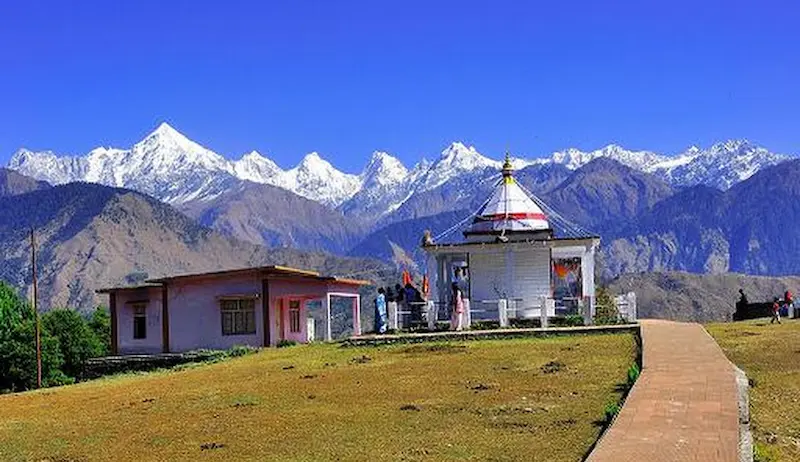 Kumaon's Alpine Sanctuary
Munsiyari
Panchachuli views, twelve hours from Delhi. The most remote and visually dramatic retreat location in the network — quiet as the main ingredient.
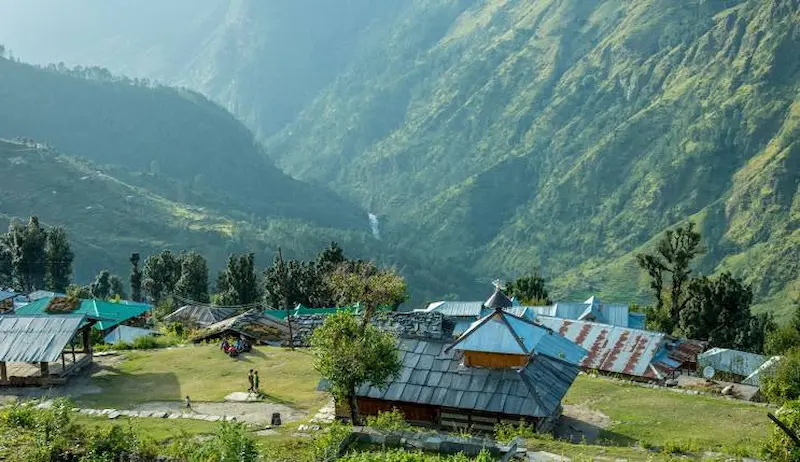 Gateway to the High Himalayas
Sankri
Upper Tons Valley, pine and oak forests. Where retreat calm meets trekking adventure — eight to nine hours from Delhi.
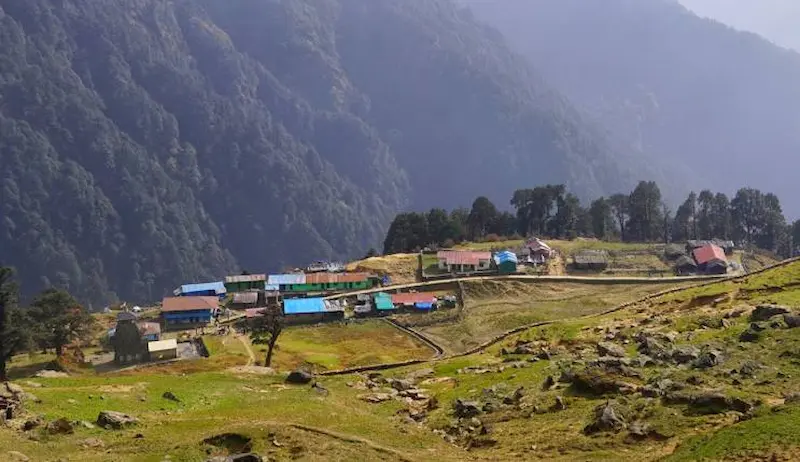 Quiet Garhwal Hill Retreat
Chakrata
Cantonment calm, deodar canopy, six to seven hours from Delhi. The reliable default for first-time Uttarakhand retreat guests.
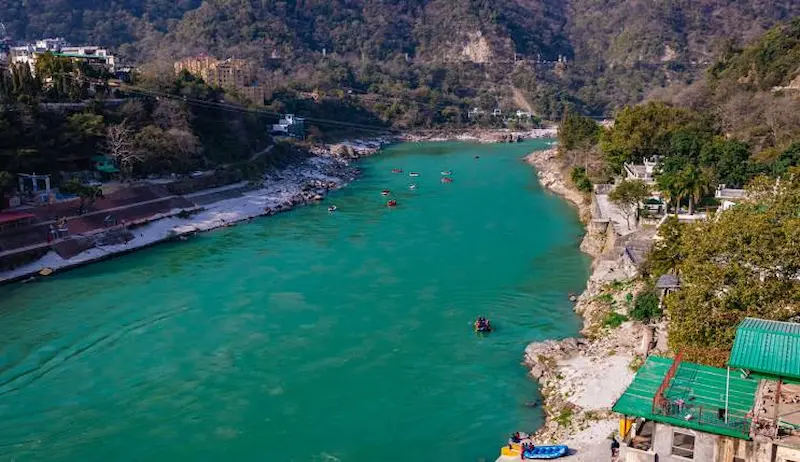 Riverside Yoga & Meditation Hub
Rishikesh
India's yoga capital on the Ganges — five to six hours from Delhi. Ashram tradition and the deepest teacher pool in the network.
Munsiyari — Kumaon's Alpine Sanctuary
Munsiyari sits at 2,200 metres in Pithoragarh district, facing the Panchachuli massif — five peaks above 6,000 metres. It is the most remote and visually dramatic retreat location in the network. The twelve-hour journey from Delhi filters out casual visitors, leaving a quiet setting built for deep work. Alpine meadows, glacier-view practice spaces, and very small groups define the character here.
Programs in Munsiyari suit people with retreat experience, international visitors seeking deeper Himalayan retreat depth, and anyone who values quiet as the main retreat ingredient. Best from April through November.
Sankri — Gateway to the High Himalayas
Sankri occupies the upper Tons Valley in Uttarkashi district, near the Govind Wildlife Sanctuary. Pine and oak forests, glacial river sound, and trail access into genuine wilderness define the location. Eight to nine hours from Delhi, it sits at the intersection of retreat calm and trekking adventure — making it ideal for guests who want both stillness and physical activity with the mountains.
Sankri retreats suit those drawn to forest time, river-valley living, and the meditative quality of an setting shaped by wilderness rather than cultivation. Extended formats of four to seven days work best here.
Chakrata — Quiet Garhwal Hill Retreat
Chakrata is a cantonment town at 2,200 metres in Dehradun district — low-commercial, forest-surrounded, and six to seven hours from Delhi by road. Deodar canopy, ridge walks, and Tiger Falls provide the natural retreat setting. The military heritage means limited tourist development, which preserves the quiet that makes retreat work effective.
Chakrata is the most practical option for professionals seeking easy-to-reach mountain retreat without long travel. Weekend and mid-week formats both work here. Year-round easy access makes it the reliable default for first-time Uttarakhand retreat guests.
Rishikesh — Riverside Yoga and Meditation Hub
Rishikesh needs little introduction. India's yoga capital sits on the Ganges at the foothills, five to six hours from Delhi. The ashram tradition, experienced teacher pool, and riverside practice settings are unmatched in India. For guests whose main interest is guided yoga, pranayama, and spiritual work, Rishikesh remains the natural choice.
Retreat formats in Rishikesh range from weekend programs to week-long intensives. The lower altitude means year-round operation without weather disruption. The trade-off is more visitors compared to mountain locations — which is why serious practitioners sometimes begin in Rishikesh and graduate to Chakrata, Sankri, or Munsiyari for deeper retreat time.
Types of Retreats Available in Uttarakhand
Uttarakhand supports every major retreat format. The state's natural and cultural range means programs are not limited to a single format.
- Yoga retreats — guided asana, pranayama, and philosophy across all four locations, with Rishikesh offering the deepest tradition
- Meditation and silence retreats — guided and self-directed formats, especially suited to the quiet of Munsiyari and Sankri
- Burnout recovery — guided burnout recovery retreats combining rest, nature time, and guided processing
- Sound healing — resonance-based sound healing programs using singing bowls, gongs, and guided frequency work in mountain settings
- Seasonal programs — summer heat-escape formats and winter quiet retreats tailored to each location's climate window
For a complete overview of every program type, see our Himalayan retreats in India guide covering formats, durations, and locations across the network.
When to Plan a Retreat in Uttarakhand
October to November
Clear air after monsoon, mild temperatures, and the sharpest mountain views of the year. Munsiyari's Panchachuli range is at its most dramatic. Sankri's forests turn gold. Chakrata and Rishikesh enjoy crisp, clear days. This is when booking fills fastest — four to six weeks advance is advisable.
April to June
The summer Himalayan retreats window draws people escaping Delhi heat. Temperatures at altitude run fifteen to twenty-five degrees cooler than the plains. Munsiyari and Sankri are at their most accessible. Long daylight hours support longer outdoor plans.
December to February
The winter Himalayan retreats season suits those drawn to cold-weather contemplation. Rishikesh and Chakrata can run fully. Sankri receives snow. Munsiyari is largely inaccessible. Winter retreats attract smaller groups and offer the deepest quiet of the year.
February–March & September
Provide excellent conditions with lower demand. These windows suit guests who prefer smaller groups and flexible scheduling without the peak-season booking pressure.
Who Chooses Uttarakhand for Retreats
Uttarakhand draws retreat guests who want real mountain feel without leaving the country — and increasingly, international visitors arriving in India for Himalayan wellness.
- Delhi and NCR professionals — the largest segment, seeking accessible mountain reset programs that fit within working schedules and do not require flights.
- International wellness travellers — visiting India for yoga, meditation, or spiritual practice and choosing Uttarakhand for its combination of practice tradition and Himalayan setting.
- Couples and partners — seeking shared retreat experience in settings that balance privacy with facilitated connection, particularly at higher-altitude locations.
- Small groups and corporate teams — leadership offsites, friend circles, and family groups booking guided programs across any of the four locations.
Each location serves a different goal. Choosing the right one depends on travel time, landscape choice, and whether you prefer easy access or remoteness. For a ranked overview across every category, see our guide to the best retreats in Uttarakhand.
Exploring all programs? Our parent guide covers every format, duration, and location across the network — from weekend resets to week-long retreats.
Frequently Asked Questions
What is the best location for retreats in Uttarakhand?
It depends on what you are seeking. Munsiyari offers the most remote alpine experience with Panchachuli views. Sankri provides deep forest retreat time in the upper Tons Valley. Chakrata delivers easy-to-reach mountain calm six to seven hours from Delhi. Rishikesh is the established centre for yoga and meditation with the shortest travel time from the capital. Each location serves a different retreat goal — solitude, forest quiet, convenience, or spiritual tradition.
Is Uttarakhand suitable for retreats year-round?
Yes, with season changes by location. Rishikesh and Chakrata operate comfortably year-round. Munsiyari and Sankri are best from late March through November — winter snowfall limits road access at higher mountains. October and November are the most popular months across all locations. May and June draw people escaping summer heat. December through February is ideal for those seeking winter stillness at easy-to-reach elevations like Rishikesh and Chakrata.
Which district is best for a mountain retreat in Uttarakhand?
Uttarkashi district (Sankri) and Pithoragarh district (Munsiyari) offer the highest and deepest mountain settings. Dehradun district covers both Chakrata and Rishikesh — the two easiest destinations. Garhwal locations tend toward forest and river settings. Kumaon locations lean toward alpine grandeur and wide mountain views. The choice of district is really a choice of landscape.
How far are Uttarakhand retreats from Delhi?
Rishikesh is the closest at five to six hours by road. Chakrata takes six to seven hours via Dehradun. Sankri requires eight to nine hours. Munsiyari is the most remote at approximately twelve hours by road or a combination of train to Kathgodam and road transfer. All locations are reachable without flights — road travel from Delhi is the standard approach, with overnight options available for longer journeys.
Are retreats in Uttarakhand beginner-friendly?
All retreat programs across Uttarakhand are designed for mixed experience levels. Yoga and meditation sessions are guided with simple changes for beginners. No prior practice is required. Teachers adapt to the group — first-time guests receive personal guidance within group sessions. Weekend formats at Chakrata and Rishikesh are especially accessible for those new to guided retreats.
What types of retreats are available in Uttarakhand?
Uttarakhand hosts yoga retreats, meditation and silence retreats, burnout recovery programs, sound healing programs, creative retreats, and weekend reset formats. Programs range from two nights to seven days. Seasonal formats run in summer and winter with location-based scheduling. Private and custom retreats are available for couples, small groups, and corporate teams across all four locations.