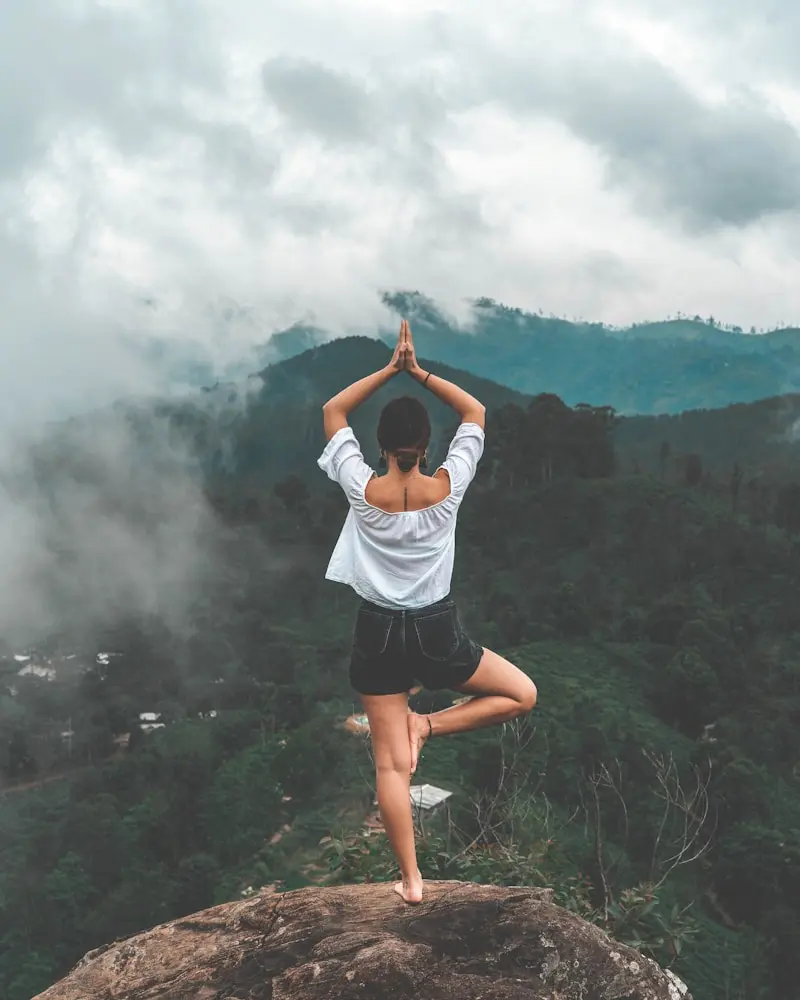
Where practice meets altitude
This regional page connects the current Rishikesh Yoga product pathway with demand-led enquiries for other Uttarakhand locations. The location cards below lead to the relevant page; a link does not mean a fixed retreat date or a confirmed programme is available there.
Asana, pranayama, meditation, and other programme details depend on the selected departure or custom enquiry. Dates, venue, access, season, stay, meals, facilitator, and inclusions are shown only when verified for that request.
A glimpse of Yoga practice
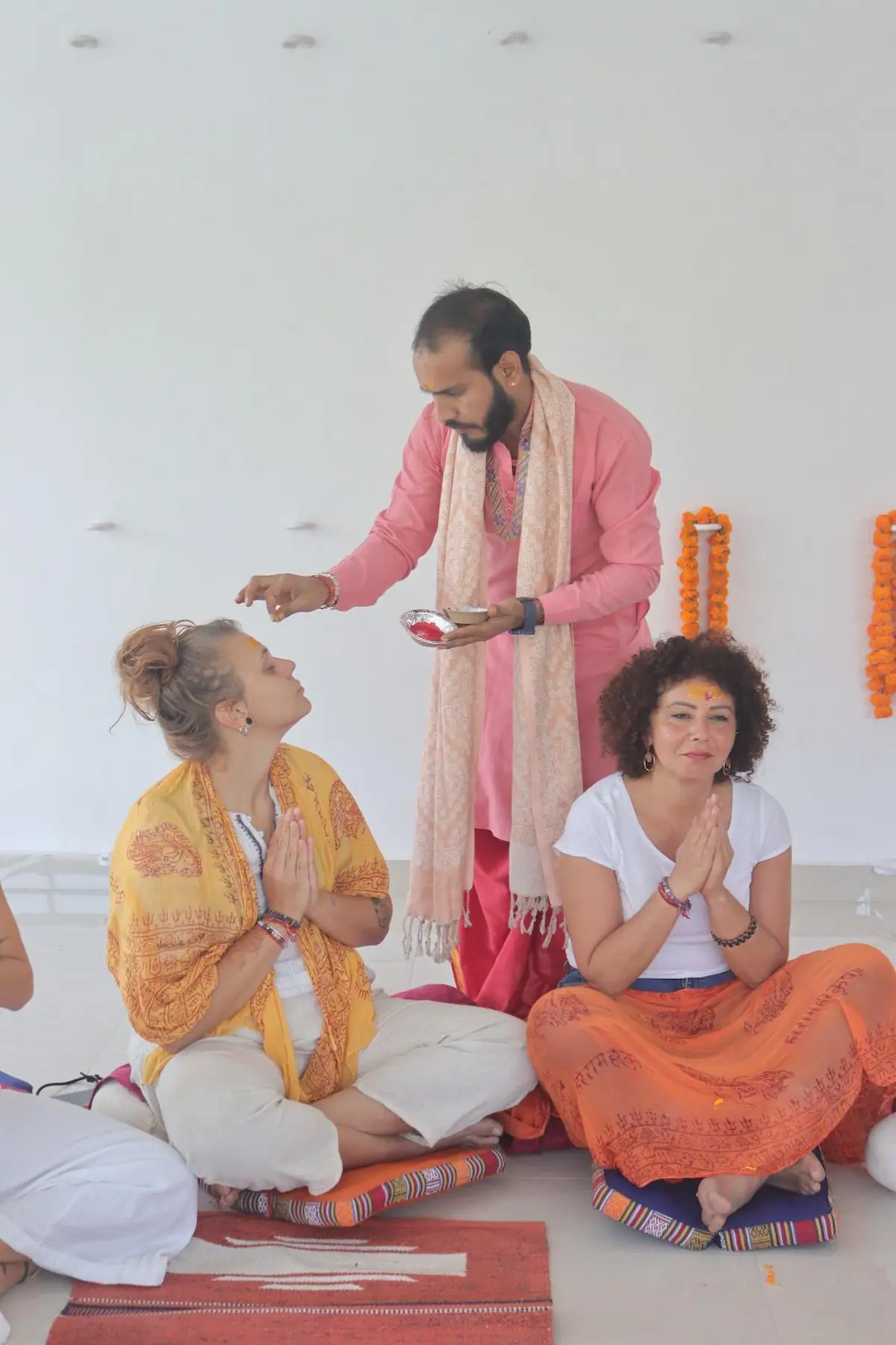
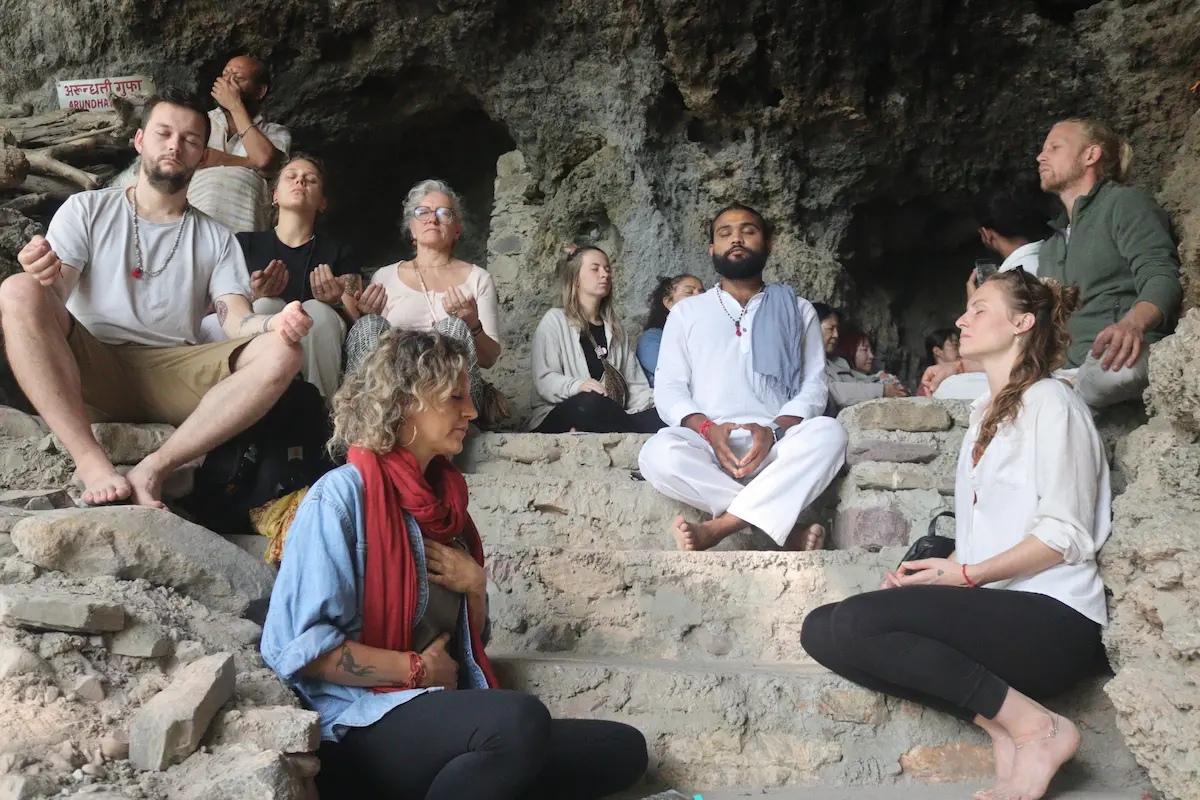
These photographs illustrate possible practice formats. They do not confirm a session or scheduled retreat in Chakrata, Sankri, or Zanskar; custom-location dates and programme details remain subject to enquiry.
Why Uttarakhand Is the Heart of Yoga in the Himalayas
Rishikesh is the primary recurring Yoga destination in this product plan. Chakrata and Sankri are demand-led locations. This page helps visitors compare those enquiry pathways without implying that all locations have scheduled programmes.
Location-specific terrain, altitude, access, weather and practice arrangements should be checked for the dates being considered. This page does not substitute regional descriptions for departure-specific suitability information.
Ask for the programme details tied to a published date or proposed custom itinerary. No fixed date, venue or included activity is implied by a location page.
Yoga Retreat Options in Uttarakhand and Ladakh
Rishikesh is the primary recurring Yoga product location. Chakrata and Sankri are on-request options in Uttarakhand; Zanskar is in Ladakh and is a separate, demand-led enquiry. Programme feasibility depends on the requested dates and details confirmed by the team.
 Primary Yoga destination
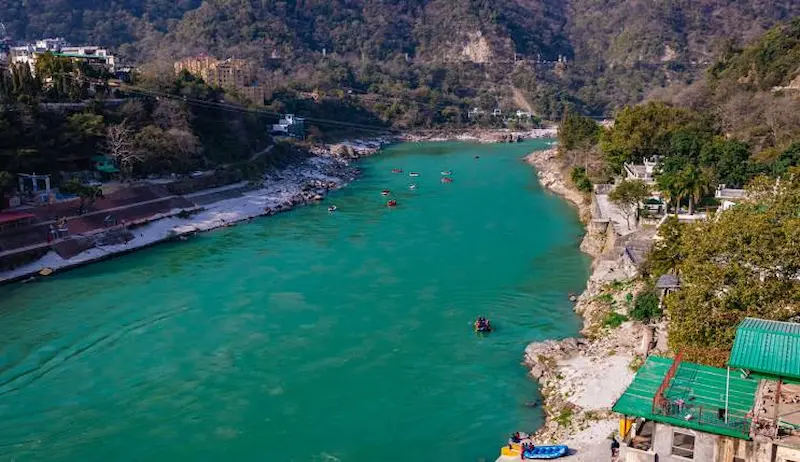
Rishikesh
The primary recurring Yoga destination in the current product plan. Dates, venue, programme and availability are displayed only when published.
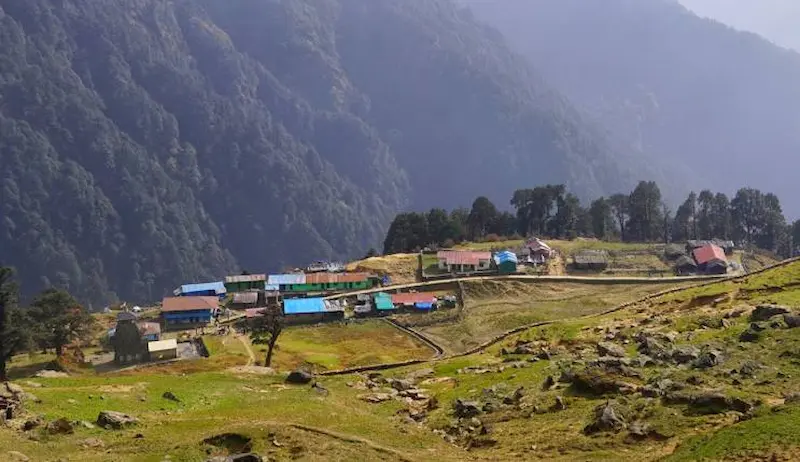 On-request Yoga enquiry
Chakrata
A demand-led Yoga location. Dates, venue and programme details are confirmed individually; no recurring departure is implied.
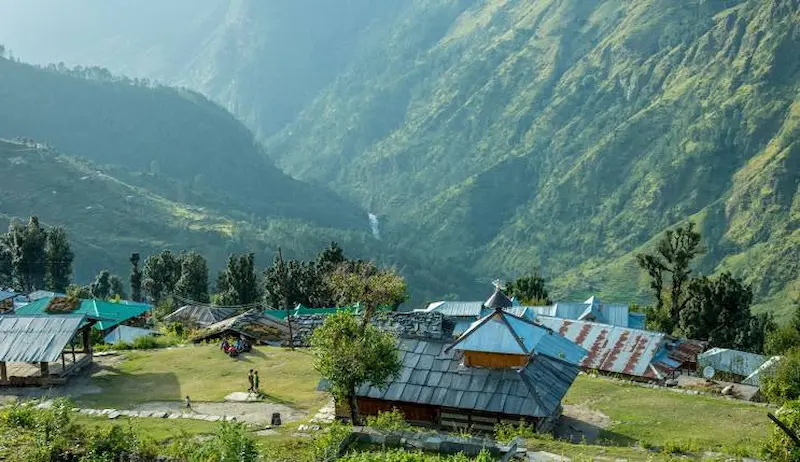 On-request Yoga enquiry
Sankri
A demand-led Yoga location. Ask the team to confirm suitability, access, season and programme details for your request.
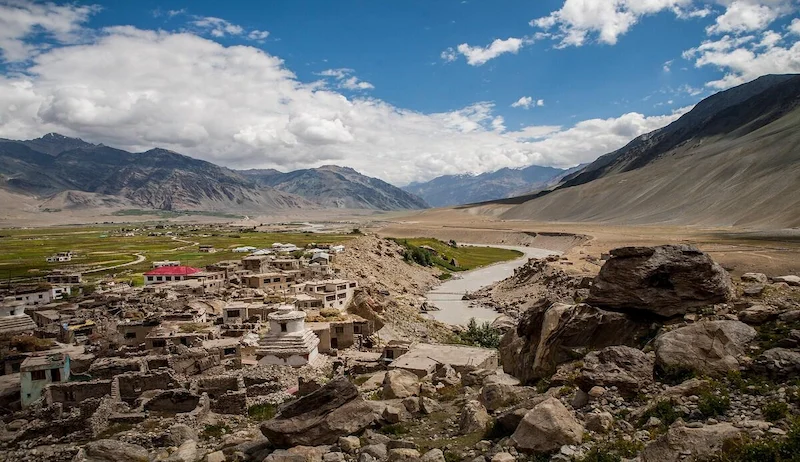 Custom Himalayan enquiry
Zanskar
A custom Himalayan Yoga enquiry. Preferred dates, group size, experience, and programme feasibility are discussed through WhatsApp.
For a demand-led Yoga option outside Uttarakhand, see the separate Zanskar enquiry.
Rishikesh — Riverside Yoga Capital
Rishikesh is the primary recurring Yoga destination in the current product plan. The exact retreat venue, departure schedule, teacher assignment, stay, meals, and availability are not published unless attached to a confirmed departure.
What distinguishes Rishikesh Yoga retreats from a generic location page is the product path: Weekend, 5-day, 7-day and 10-day formats are defined, while dated departures and their verified details appear in the calendar only when published. Ask about the teaching approach and beginner suitability for the selected departure.
Check travel and access details for the specific dates and venue being considered. Current transport arrangements are not published in the departure registry.
Chakrata — Quiet Forest Yoga Immersion
Chakrata is an on-request Yoga location. No recurring departure, confirmed venue, schedule or included activity is currently published for this page.
The Chakrata retreat environment is an enquiry path for people considering a custom Yoga programme. Venue, schedule, season, access, stay, meals, facilitator, and inclusions must be confirmed for the proposed dates.
No fixed Chakrata Yoga dates are published. Use the location page to send an enquiry and request verified travel and programme information.
Sankri — High-Altitude Yoga and Nature
Sankri is a demand-led Yoga enquiry. No recurring departure or location-specific Yoga itinerary is currently published.
The travel time, access route, season, and programme for Sankri must be confirmed for the requested dates. Ask the team to assess whether a custom programme is feasible before making travel plans.
What to Expect in a Yoga Retreat in Uttarakhand
There is no single daily schedule across all Uttarakhand locations. A programme is described only when confirmed for a departure or custom enquiry. The Yoga service may include asana, pranayama, meditation, and restorative practice; timing and inclusion vary by programme.
Current dates, daily schedule, teaching style, meal plan, accommodation, device policy, and inclusions are not published for future Yoga departures. Ask for these details for the specific programme before booking.
The Rishikesh Yoga product page links to real product departures when present. Chakrata and Sankri are on-request; Zanskar information is handled through an enquiry.
Who Should Choose a Yoga Retreat in Uttarakhand
Use the product and location pages to compare formats, then share your experience and requirements. Eligibility and programme suitability are confirmed for the actual departure or on-request proposal.
- People exploring Yoga practice. Share your experience level and ask how the confirmed programme adapts its sessions before booking.
- People comparing settings. Rishikesh is the primary product path; Chakrata and Sankri are on-request enquiries.
- People planning together. Share group size and requested dates so the team can confirm whether an appropriate programme can be arranged.
- Visitors needing travel details. Venue, transfer, language, visa, and arrival information are not attached to unpublished departures; request confirmed details before travel.
- People choosing a duration. Compare Weekend, 5-day, 7-day and 10-day formats; no schedule or departure is implied by the duration page.
Best Time for a Yoga Retreat in Uttarakhand
No year-round Yoga operating calendar is published across these locations. Seasonal suitability, access, and weather depend on destination and requested dates and must be confirmed before travel.
Ask the team to verify conditions for the actual dates and location. No season shown here should be treated as confirmation that a Yoga departure is operating.
Exploring all retreat options? See Himalayan wellness retreats for every destination, duration, and program type.
For location-specific planning across the state, see Uttarakhand retreats.
Frequently Asked Questions
Is Rishikesh the best place for a yoga retreat in Uttarakhand?
Rishikesh is the only location with recurring published Yoga inventory. Chakrata, Sankri, and Zanskar are custom or demand-led enquiries rather than recurring fixed departures.
Are yoga retreats in Uttarakhand suitable for beginners?
Beginners are welcome for the Rishikesh Yoga products, and experienced practitioners may also participate. Custom locations require suitability discussion through enquiry.
How long should a yoga retreat in Uttarakhand be?
Rishikesh has Weekend, 5-day, 7-day, and 10-day Yoga formats with published prices and dates. Custom locations are discussed by demand rather than through a recurring calendar.
Are yoga retreats in Uttarakhand open year-round?
Rishikesh is the recurring published option in this regional hub. Custom locations require date, logistics, and programme confirmation through enquiry.
What is typically included in a yoga retreat in Uttarakhand?
Rishikesh standard pricing represents shared accommodation, vegetarian/Sattvic-style meals, breakfast, lunch, dinner, drinking water, and guided practice. Custom-location details are confirmed for the proposed programme.
Do I need to be physically fit for a yoga retreat?
Beginners are welcome for the Rishikesh products. Share experience and relevant needs through WhatsApp so the team can confirm the proposed custom programme or published departure.