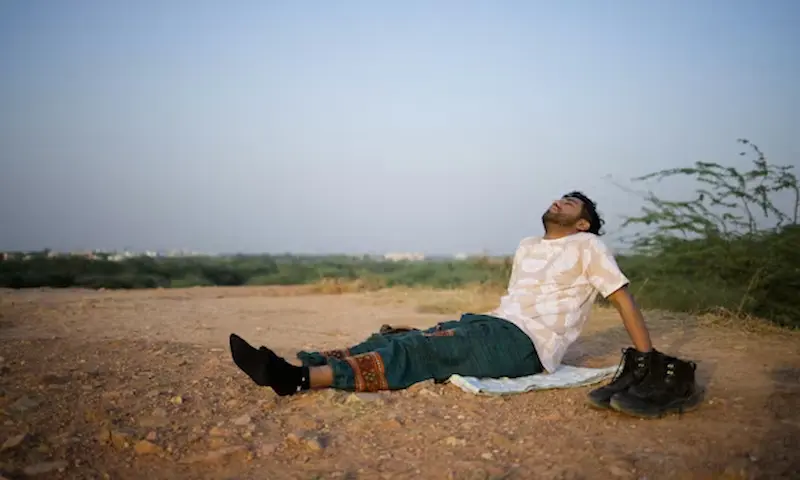
Understanding Chronic Stress
Chronic stress is not just feeling pressured. It is a physiological state where the body's fight-or-flight system remains activated long after the original threat has passed. Cortisol — the stress hormone — remains elevated. Blood pressure stays high. Sleep becomes shallow. Digestion suffers. The immune system weakens.
What makes chronic stress so damaging is that the body adapts to it. You stop noticing the tension in your shoulders, the shallow breathing, the disrupted sleep. The stressed state becomes your baseline — normal feels like emergency, and you no longer remember what calm actually is.
Stress relief retreats exist because this pattern cannot be broken from within the environment that created it. Changing your scenery for a weekend helps temporarily, but the pattern re-engages within hours of returning. What's needed is sustained exposure to an environment so physiologically different that the nervous system has no choice but to reset.
The Science of Nature-Based Stress Relief
The therapeutic effect of natural environments on stress is documented across multiple research domains:
Cortisol reduction. Studies published in Environmental Health and Preventive Medicine demonstrate that even 20 minutes of forest walking reduces cortisol by 12–16%. Multi-day forest immersion produces sustained reductions that persist for weeks after return.
Heart rate variability. Natural environments increase heart rate variability (HRV) — the gold-standard biomarker for stress resilience. Higher HRV indicates a nervous system that can flexibly shift between alertness and rest. Urban environments typically suppress HRV.
Attention restoration. Kaplan's Attention Restoration Theory (1995) shows that natural environments restore the directed attention that stress depletes, through mechanisms he calls "soft fascination" — the gentle engagement of birdsong, flowing water, and moving leaves.
Altitude effects. At 2,000–3,000 metres, reduced oxygen naturally slows cognitive processing, reducing the rumination and worry that sustain stress patterns. The thinking mind becomes quieter with less effort.
The Himalayas combine forest density, altitude, acoustic silence, and genuine remoteness — all four mechanisms operating simultaneously. This is why a three-day mountain retreat produces stress relief that a week at a beach resort cannot match.
Locations & Environments
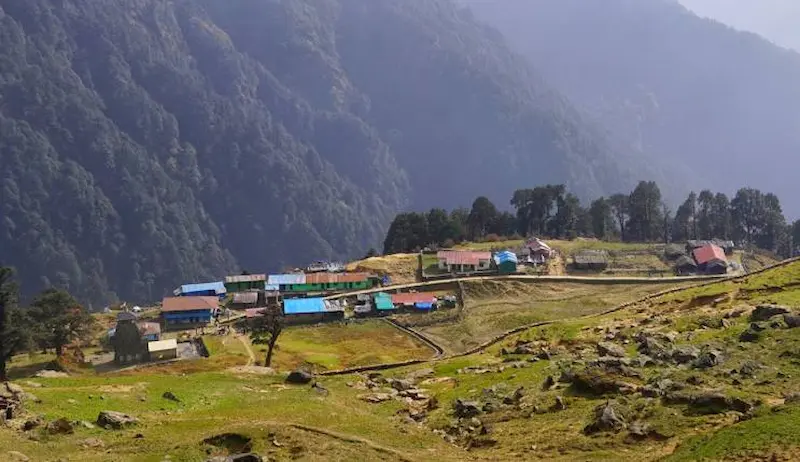
Chakrata — Forest Nervous System Reset
Dense Himalayan forest at 2,000 metres absorbs noise and regulates the nervous system through natural sound patterns, clean air, and the absence of stimulation. Chakrata is 2.5 hours from Dehradun — accessible enough for a 3-day reset, remote enough to genuinely separate. The most gentle entry point for stress relief.
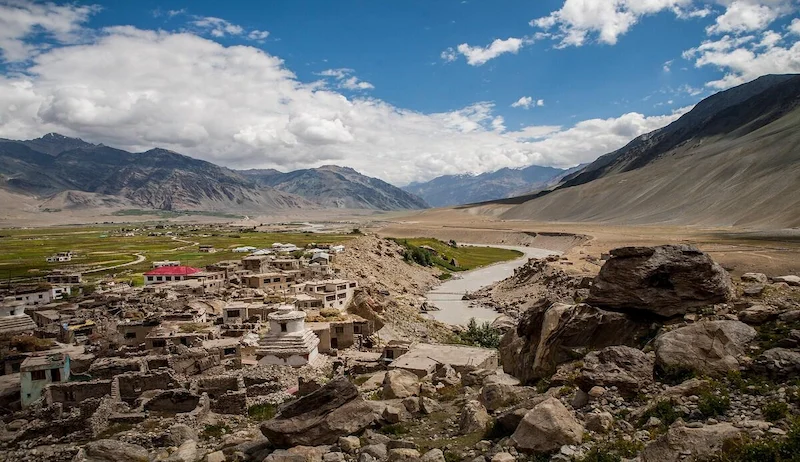
Zanskar — Deep Reset at Altitude
When stress is so embedded that gentle environments bounce off it, Zanskar provides radical separation. 3,500 metres, 230 km from the nearest city, no phone signal. The altitude and remoteness force the nervous system to let go because there is nothing left to hold onto. For deep, chronic stress that needs a stronger container.
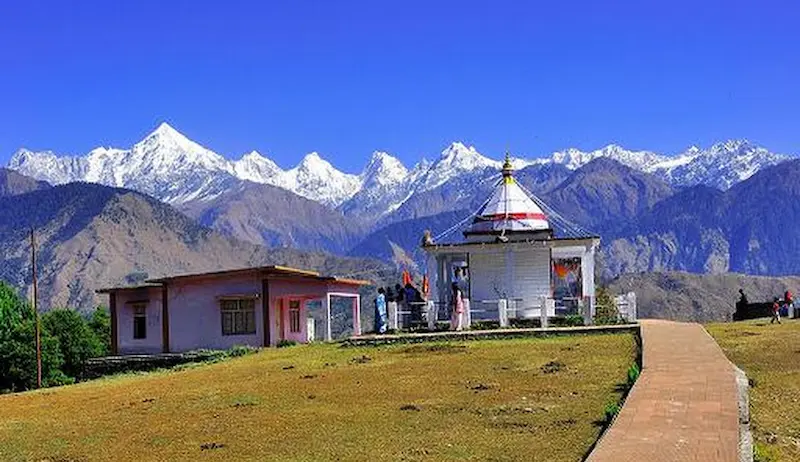
Munsiyari — Perspective Through Landscape
High-altitude meadows facing the Panchachuli peaks. The sheer scale of the landscape teaches proportion — stress patterns that feel overwhelming shrink against 7,000-metre summits. Good for people who need visual and spatial expansion alongside physiological rest.
Real Experiences
“Three days in Chakrata with Rest & Reset completely recalibrated me. The schedule was genuinely spacious — no pressure, no performance. I slept better than I had in months. The forest walks were simple but deeply restorative. This is what a weekend should feel like.”
“Exactly what I needed after six months of nonstop work. The Chakrata location is genuinely quiet — no tourist noise, no crowds. Meals were simple and good. The breathwork sessions helped me recognize how shallow my breathing had become. I returned to work calmer and more focused.”
“I was hesitant about spending money on rest — it felt indulgent. But this was not indulgent. It was necessary. The structure gave me permission to stop. The ridge views gave me perspective. The group was small enough that I felt safe but not observed. I have already booked again for spring.”
Stress relief is not about learning to manage stress better. It is about giving your nervous system an environment so different that the old patterns lose their grip. The mountain does this work — you only need to show up. Reach out and describe what your stress looks like. We will recommend the right environment.