High-Altitude Treks in Uttarakhand
Above 4,000 metres, the Himalayan landscape changes fundamentally. Treeline gives way to exposed moraine and glacial terrain, oxygen pressure drops to levels that affect decision-making, and weather windows shrink to hours. These treks demand prior altitude experience, 6–8 weeks of structured fitness preparation, and genuine respect for mountain conditions.
New to high altitude? Start with Brahmatal at 3,850 m to test your response. Ready for more? Roopkund (4,800 m) for sustained altitude or Pangarchulla (4,590 m) for a summit push.
These routes are drawn from our complete ranking of the 10 best treks in Uttarakhand. New to trekking? Start with the beginner treks page instead.
Three Altitude Experiences
Each of these treks reaches significant altitude — but the nature of the experience is fundamentally different. Choose based on your experience level and what type of challenge you are seeking.
Roopkund — The Mystery Lake Expedition
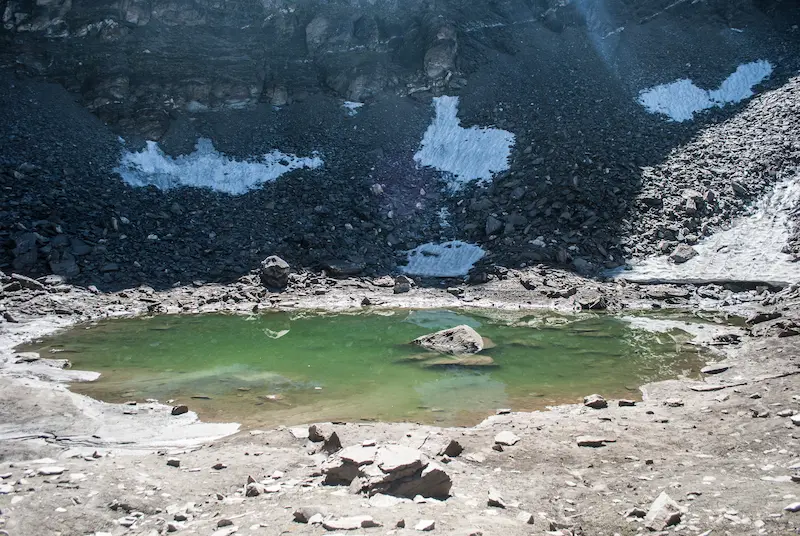
Roopkund is the highest featured trek and India's most iconic high-altitude route. A 53 km, 7-day expedition from Lohajung to a glacial lake at 4,800 metres, known for centuries-old skeletal remains at its shores. The route crosses the vast Bedni Bugyal alpine meadow (one of the largest in Asia), navigates moraine fields above 4,200 m, and demands sustained altitude tolerance across multiple days above 4,000 m.
Altitude profile: Gradual gain through forest (Day 1–2), exposed alpine meadow at 3,600 m (Day 3), moraine traverse above 4,200 m (Day 4–5), and the final lake approach at 4,800 m. Two full acclimatisation stops are built into the itinerary. The sustained time above 4,000 m — not just a single summit push — is what makes Roopkund uniquely demanding.
Pangarchulla — The True Summit Climb
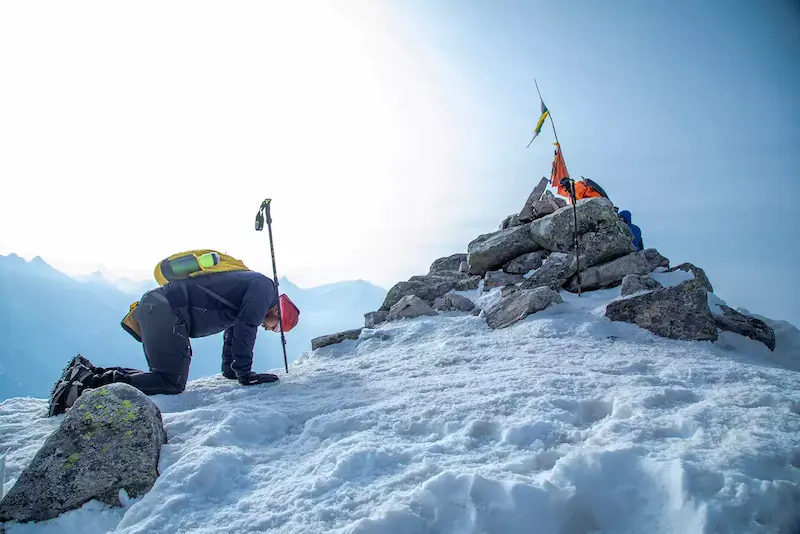
Pangarchulla is one of the few accessible true peak summits in Uttarakhand — not a pass, not a lake, but the top of a mountain with 360-degree views of Nanda Devi, Dronagiri, Chaukhamba, and the entire Nanda Devi Sanctuary. The route follows the Kuari Pass approach before diverging toward a steep snow-and-scree ascent with an alpine-start summit day. Crampons required.
Altitude profile: The approach follows the moderate Kuari Pass trail (gradual gain to 3,400 m over 3 days), then diverts into steep, technical terrain. Summit day gains 1,200 m from high camp in a single push starting before dawn — the most physically demanding single day on any featured trek. The altitude is slightly lower than Roopkund, but the concentrated summit push is more intense.
Brahmatal — Gateway to High Altitude
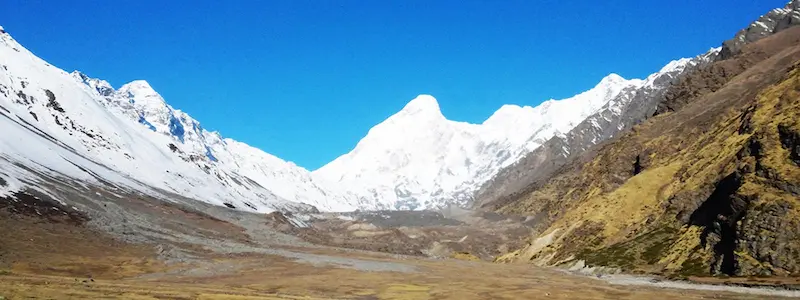
Brahmatal is the recommended stepping stone before attempting Roopkund or Pangarchulla. At 3,850 m, it provides genuine high-altitude exposure (above treeline, reduced oxygen, cold) with moderate difficulty and gradual altitude gain. The 4-day duration means limited time at altitude — enough to test your body's response without the sustained multi-day exposure of the Challenging routes.
Altitude profile: If you handle 3,850 m well — no persistent headache, good sleep quality, maintained appetite — you are likely ready for Roopkund (4,800 m) or Pangarchulla (4,590 m) after additional fitness preparation. If altitude affects you significantly on Brahmatal, you know to invest more in acclimatisation before attempting higher routes.
Choosing between the two challenging high-altitude routes? See our detailed Roopkund vs Pangarchulla comparison for a side-by-side breakdown of summit difficulty, fitness requirements, and seasonal windows.
High-Altitude Treks at a Glance
| Trek | Max Altitude | Difficulty | Days | Type |
|---|---|---|---|---|
| Roopkund | 4,800 m | Challenging | 7 | Lake expedition |
| Pangarchulla | 4,590 m | Challenging | 6 | Peak summit |
| Brahmatal | 3,850 m | Moderate | 4 | Frozen lake |
Brahmatal — Your Gateway to High Altitude
3,850 metres. Frozen lake. Snow-covered ridges. 4 days. The perfect first high-altitude experience.
Preparing for High Altitude
The single most important factor for safe high-altitude trekking is prior mountain experience. The recommended progression: Brahmatal (3,850 m) → Kedarkantha (3,810 m summit push) → Pangarchulla or Roopkund (4,500+ m). Each step tests your body's altitude response in progressively more demanding conditions.
Fitness Preparation
6–8 weeks minimum: running or cycling (30–45 min, 4×/week), loaded stair climbing (15 kg pack, 2×/week), and core stability work. Our 8-week fitness guide provides a week-by-week programme targeting Garhwal high-altitude routes specifically.
Gear Requirements
For routes above 4,000 m, you need: crampons, altitude medication, layering for sustained cold, and proper mountaineering boots. See the packing checklist which includes a high-altitude section covering all requirements.
Frequently asked questions
What is the highest trek in Uttarakhand?
Among commonly guided treks, Roopkund at 4,800 m is the highest featured route. Pangarchulla Peak at 4,590 m is the second-highest. Both are in the Garhwal Himalayas and require prior altitude experience above 3,500 m.
How do I prepare for a trek above 4,000 m?
Start with 6–8 weeks of structured fitness preparation: cardio (running, cycling), stair climbing with a loaded pack, and core strength work. Prior experience above 3,500 m (e.g., Kedarkantha or Kuari Pass) is strongly recommended. Acclimatisation days are built into itineraries, but personal preparation determines safety.
What are the symptoms of altitude sickness?
Early symptoms include headache, nausea, dizziness, and fatigue above 3,500 m. These typically resolve with rest and hydration. Severe symptoms (confusion, difficulty breathing at rest, loss of coordination) require immediate descent. All guided treks include altitude monitoring and emergency protocols.
Which high-altitude trek should I do first?
Brahmatal (3,850 m) is the recommended first high-altitude experience — it reaches significant altitude but with moderate difficulty and gradual gain. After that, Pangarchulla (4,590 m) or Roopkund (4,800 m) become viable next steps, depending on whether you prefer a summit climb or an expedition-style route.