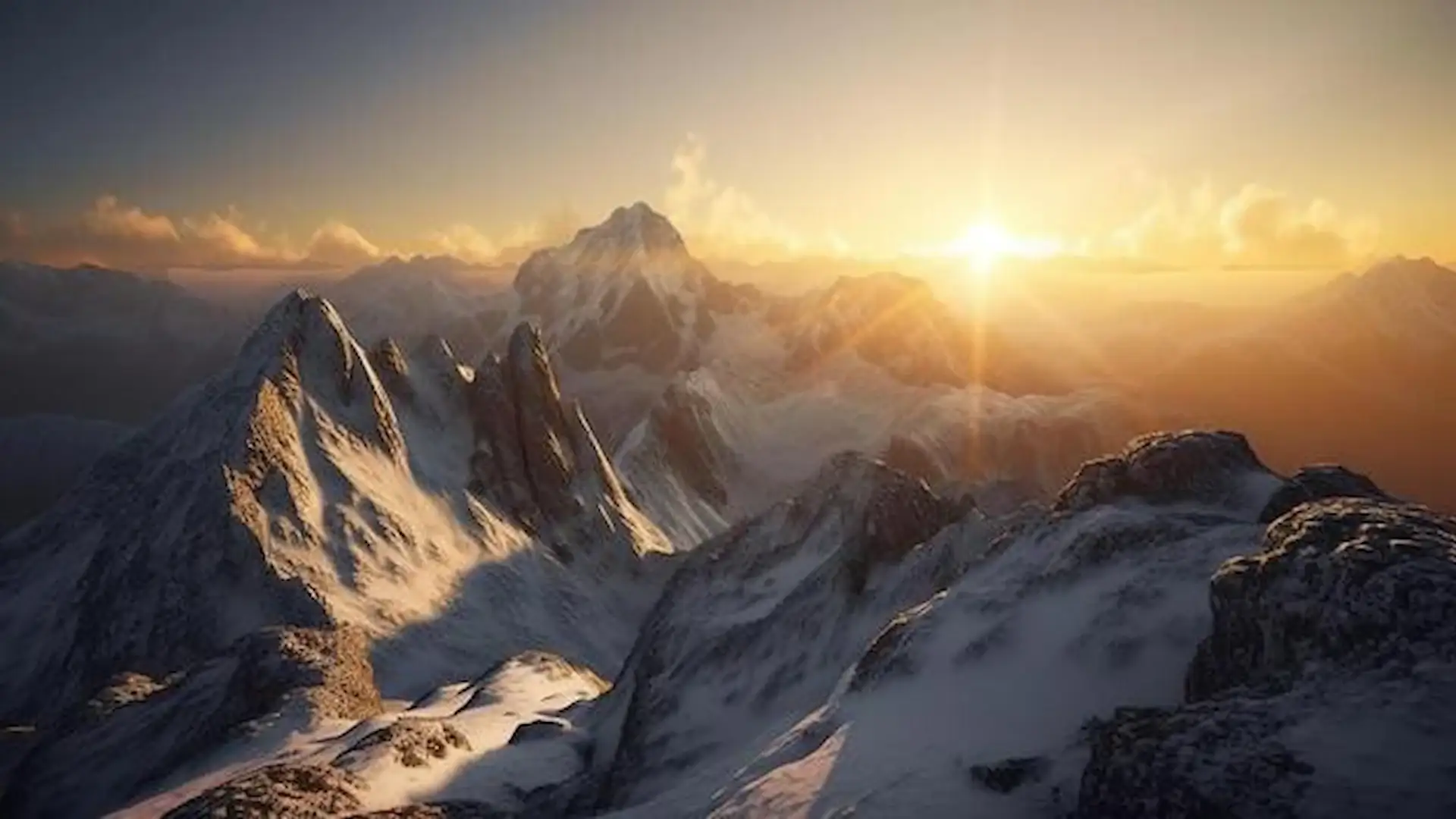
Most Challenging Treks in Uttarakhand
These are not enhanced day hikes. They are serious mountain routes where preparation directly determines safety and enjoyment. All three require prior high-altitude experience (above 3,500 m), 6–8 weeks of structured fitness work, and comfort with steep, exposed, and potentially snow-covered terrain.
Not sure which challenging trek suits you? Roopkund for sustained altitude above 4,000 m,Pangarchulla for an intense summit push, or Milam Glacier for remote expedition endurance.
These routes are drawn from our complete ranking of the 10 best treks in Uttarakhand. Not ready for challenging routes yet? The beginner treks page covers easy and moderate alternatives.
Three Different Types of Challenge
Each of these treks demands serious preparation — but the nature of the challenge is fundamentally different. Choose based on the type of difficulty you are seeking.
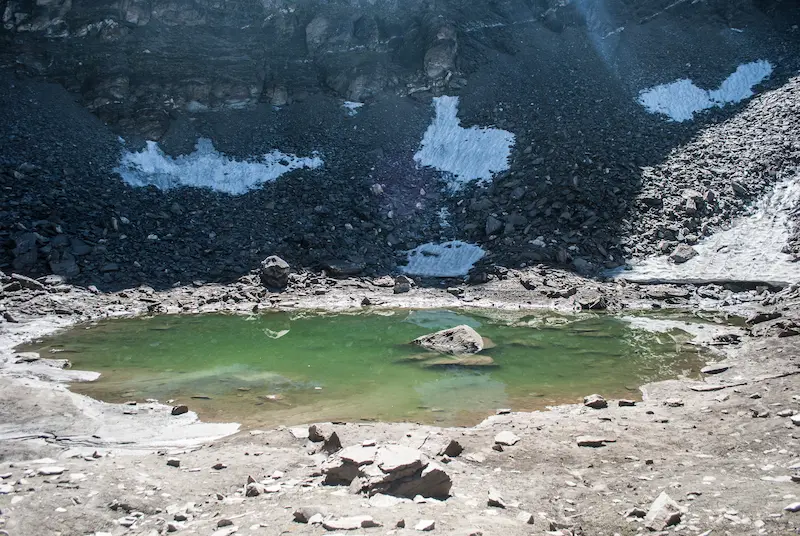
Roopkund — The Mystery Lake Expedition
Roopkund is India's most iconic high-altitude trek — a 53 km expedition from Lohajung to a glacial lake at 4,800 metres, known for the centuries-old skeletal remains at its shores. The route crosses the vast Bedni Bugyal alpine meadow, navigates moraine fields, and demands sustained altitude tolerance across multiple days above 4,000 metres.
Why it is challenging: Unlike Pangarchulla (where the difficulty concentrates in a single summit day), Roopkund distributes its demands across 7 days with sustained exposure above 4,000 m. Altitude sickness risk is cumulative. The moraine fields above 4,200 m require careful foot placement for hours at a time. Weather deteriorates rapidly above the Bugyal. This is expedition trekking, not a weekend challenge.
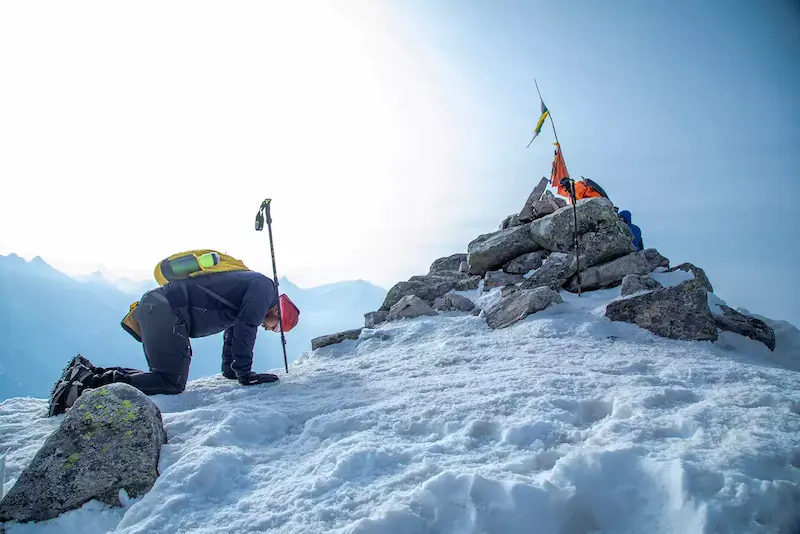
Pangarchulla Peak — The Summit Climb
Pangarchulla is one of the few accessible true summit experiences in Uttarakhand. The route follows the Kuari Pass approach before diverging toward a steep snow-and-scree ascent with an alpine start. At the top: a 360-degree panorama of Nanda Devi, Dronagiri, Chaukhamba, and the entire Nanda Devi Sanctuary. Crampons required. For experienced trekkers who want to stand on a peak, not a pass.
Why it is challenging: Summit day gains 1,200 m from high camp in a single alpine-start push beginning before dawn. The snow-and-scree terrain above 4,200 m requires crampons and confident movement on steep ground. The rest of the approach (Days 1–4 via the Kuari Pass trail) is moderate — the difficulty is concentrated into one relentless day.
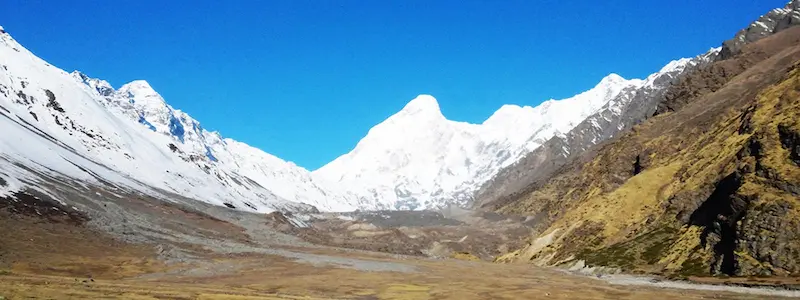
Milam Glacier — The Remote Expedition
Milam Glacier is Uttarakhand's great expedition trek — an 8–10 day, 118 km journey along the ancient Johar Valley trade route from Munsiyari to the glacier snout beneath the Panchachuli massif. The route passes through abandoned Bhotiya trading villages (Martoli, Burfu), crosses glacial moraines, and follows the Goriganga River into genuinely wild terrain.
Why it is challenging: The altitude is lower than Roopkund (3,450 m max), but the sustained 8–10 day commitment through remote terrain with limited evacuation options makes it equally demanding. You are walking deep into the mountains — days from the nearest road — with river crossings, moraines, and unpredictable weather. This is for trekkers who want genuine wilderness immersion, not a curated mountain experience.
Still deciding between Roopkund and Pangarchulla? See our detailed Roopkund vs Pangarchulla comparison for a side-by-side breakdown of altitude, difficulty, and logistics.
Challenging Treks at a Glance
| Trek | Max Altitude | Days | Challenge Type | Region |
|---|---|---|---|---|
| Roopkund | 4,800 m | 7 | Sustained altitude | Garhwal |
| Pangarchulla | 4,590 m | 6 | Intense summit push | Garhwal |
| Milam Glacier | 3,450 m | 8–10 | Remote endurance | Kumaon |
Roopkund Trek — The Ultimate Himalayan Expedition
7 days, 4,800 metres, glacial lake, skeletal remains, and the vast Bedni Bugyal. For experienced trekkers only.
The Path to Challenging Treks
Attempting a challenging trek without proper progression increases both risk and misery. The recommended build-up:
Brahmatal or Kuari Pass
Tests altitude response at 3,850–3,876 m.
Kedarkantha
Adds a genuine summit push and snow conditions.
Pangarchulla, Roopkund, or Milam Glacier
Full high-altitude or expedition demands.
For the complete progression framework with training plans for each level, see our beginner-to-advanced trek progression guide and the 8-week fitness preparation plan.
Frequently asked questions
What is the most difficult trek in Uttarakhand?
Milam Glacier is the most demanding in terms of sustained commitment — 8–10 days, 118 km, through remote Kumaon terrain with limited evacuation options. Roopkund is the most demanding in terms of altitude (4,800 m with multiple days above 4,000 m). Pangarchulla has the most intense single day — a 1,200 m alpine-start summit push through snow.
What experience do I need for challenging treks?
Prior high-altitude experience above 3,500 m is essential — ideally Kedarkantha, Kuari Pass, or Brahmatal. You should have completed at least 2–3 multi-day treks and be comfortable with camping, cold weather, and sustained physical effort across 6–8 hours per day.
How fit do I need to be for Roopkund or Pangarchulla?
6–8 weeks of structured preparation: running/cycling 30–45 min 4x/week, loaded stair climbing (15 kg pack) 2x/week, and core stability work. You should be able to run 5 km in under 30 minutes and climb 60 floors in an hour with a loaded pack before attempting either route.
Which challenging trek should I do first — Roopkund or Pangarchulla?
Pangarchulla if you prefer a concentrated summit challenge (one very hard day). Roopkund if you prefer sustained expedition-style trekking (multiple days above 4,000 m). Both require similar fitness, but the physical demands are distributed differently.