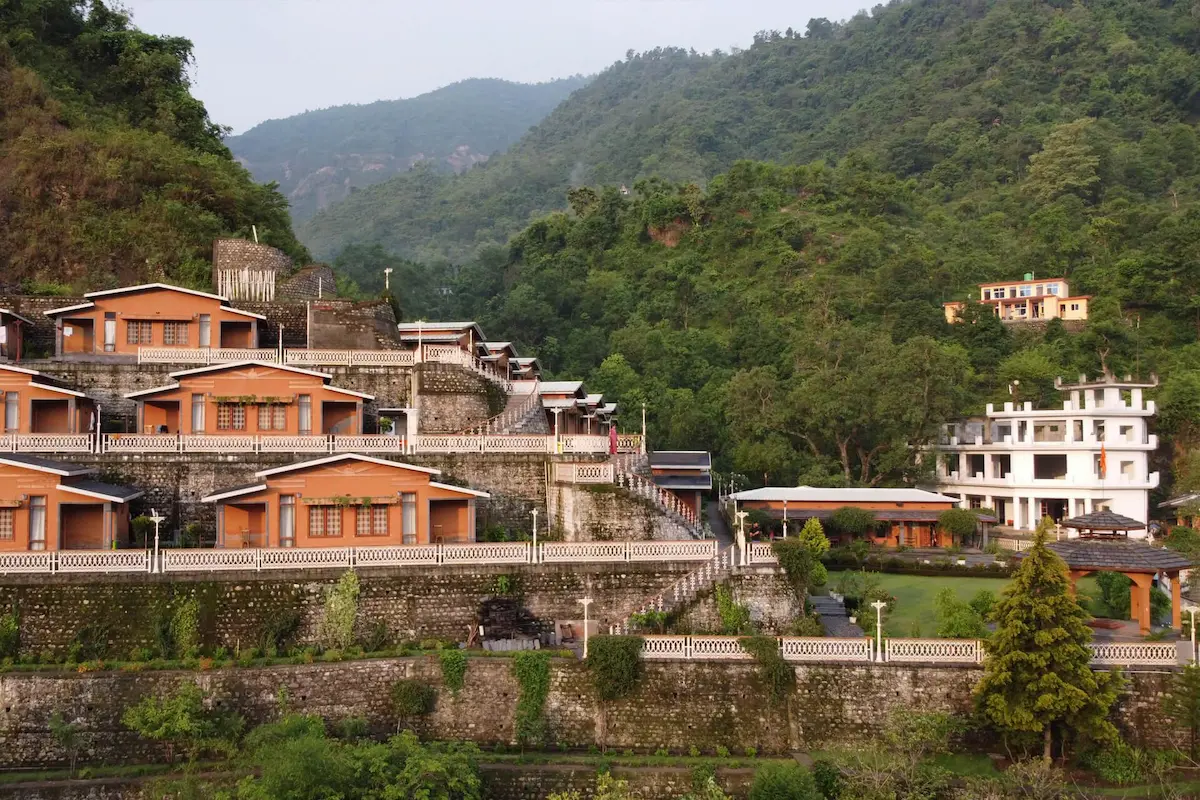
Winter Retreat in the Himalayas
Winter strips the Himalayas to essentials. The tourists leave. The forests go quiet. Snow seals the valleys into stillness, and the cold becomes a collaborator — sharpening attention, encouraging inwardness, making the warmth of a fire feel like a gift.
Why Winter for a Retreat
For retreat work, winter is the most potent season. Fewer distractions. Clearer air. Longer nights for rest. And something in the cold itself that says: go inward.
Solitude
Tourist numbers drop 90%+ in winter. You may be the only group in the area — genuine, uncrowded stillness.
Acoustic Clarity
Cold, dense air carries sound differently. The silence itself feels sharper, more complete.
Natural Rhythm
Short winter days create early evenings and long, restorative sleep without any effort.
Inward Pull
The cold naturally discourages wandering and encourages sitting, reading, and reflecting.
Visual Beauty
Snow-dusted forests, frost on glass, and clear mountain views unobscured by haze.
Warmth as Ritual
A fire, a blanket, a hot cup of tea — small comforts become deeply felt rituals against the cold.
Where the Cold Deepens the Silence
Three settings that stay accessible through the coldest months, each holding winter differently.
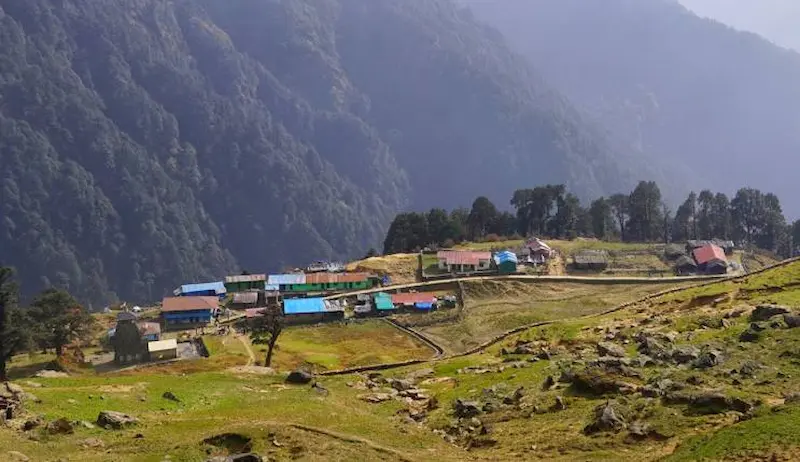
Chakrata
Light snowfall dusts the deodar forest at 2,200m, deepening an already profound stillness. Heated accommodation. Accessible year-round from Dehradun.
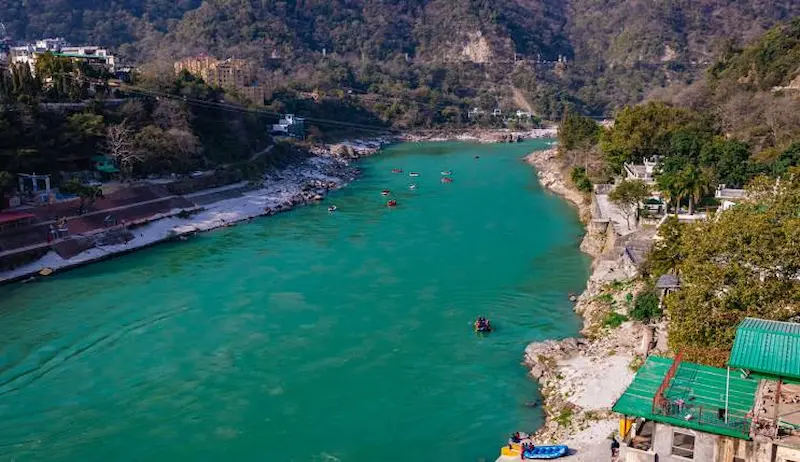
Rishikesh
At 370m, Rishikesh stays mild enough for comfortable outdoor practice all winter. The Ganges runs clear, the ashrams are quiet, and morning fog softens the riverbanks.
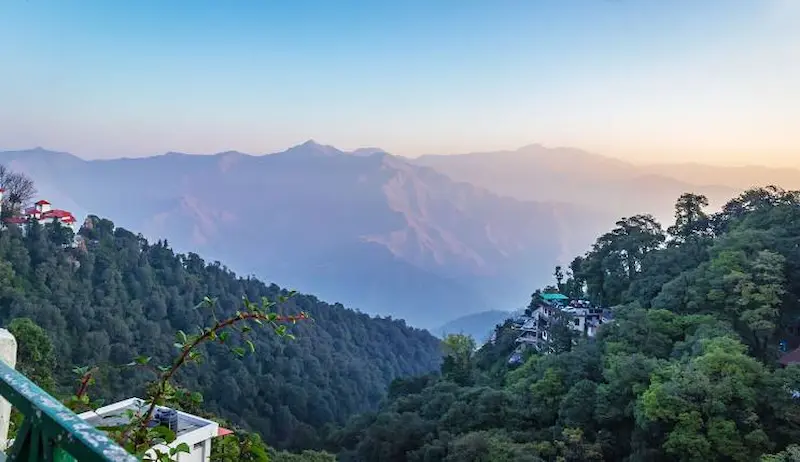
Mussoorie
The tourists leave and the mist settles in. Occasional snowfall transforms the ridgelines. Quiet pockets near Cloud End make ideal retreat spaces, 1.5 hours from Dehradun.
Winter Retreat Options
The same practices, held in a season that makes them easier to sink into.
What to Bring
- Thermal base layer, fleece mid-layer, and a warm outer jacket
- Warm socks, a beanie, and gloves for morning walks
- A shawl or blanket for meditation sessions
- Hot water bottles are provided at every location
- The goal is warmth without bulk — comfort for sitting still, for a long time
Frequently asked questions
How cold does it get during a Himalayan winter retreat?
Chakrata (2,200 m) drops to 0–5°C at night, 10–15°C daytime from December–February. Rishikesh (370 m) stays milder at 5–20°C. Mussoorie ranges 0–10°C. Accommodation is heated or insulated, and warm bedding is provided. The cold is part of the experience — it sharpens attention and makes the warm retreat spaces feel like sanctuaries.
Which locations are accessible in winter?
Chakrata, Rishikesh, and Mussoorie remain accessible throughout winter. Roads may occasionally close for heavy snowfall in Chakrata, but typically for hours, not days. Zanskar is inaccessible from October–May. Munsiyari access becomes unreliable in deep winter. Sankri is snow-covered but sometimes accessible for combined trek–retreat experiences.
Is winter a good time for a first retreat?
Winter is an excellent time for a first retreat. The cold naturally encourages inward focus. Tourist numbers drop to near zero, creating genuine solitude. The short days and early dark create a natural rhythm of practice and rest. Rishikesh in winter offers the gentlest entry — warm enough for comfort, quiet enough for depth.
What should I pack for a winter Himalayan retreat?
Layers: thermal base, fleece mid-layer, and a warm outer jacket. Warm socks, a beanie, and gloves for morning walks. A shawl or blanket for meditation sessions. Hot water bottles are provided. The key is warmth without bulk — you want to be comfortable sitting for extended periods. See our preparation guide for full details.