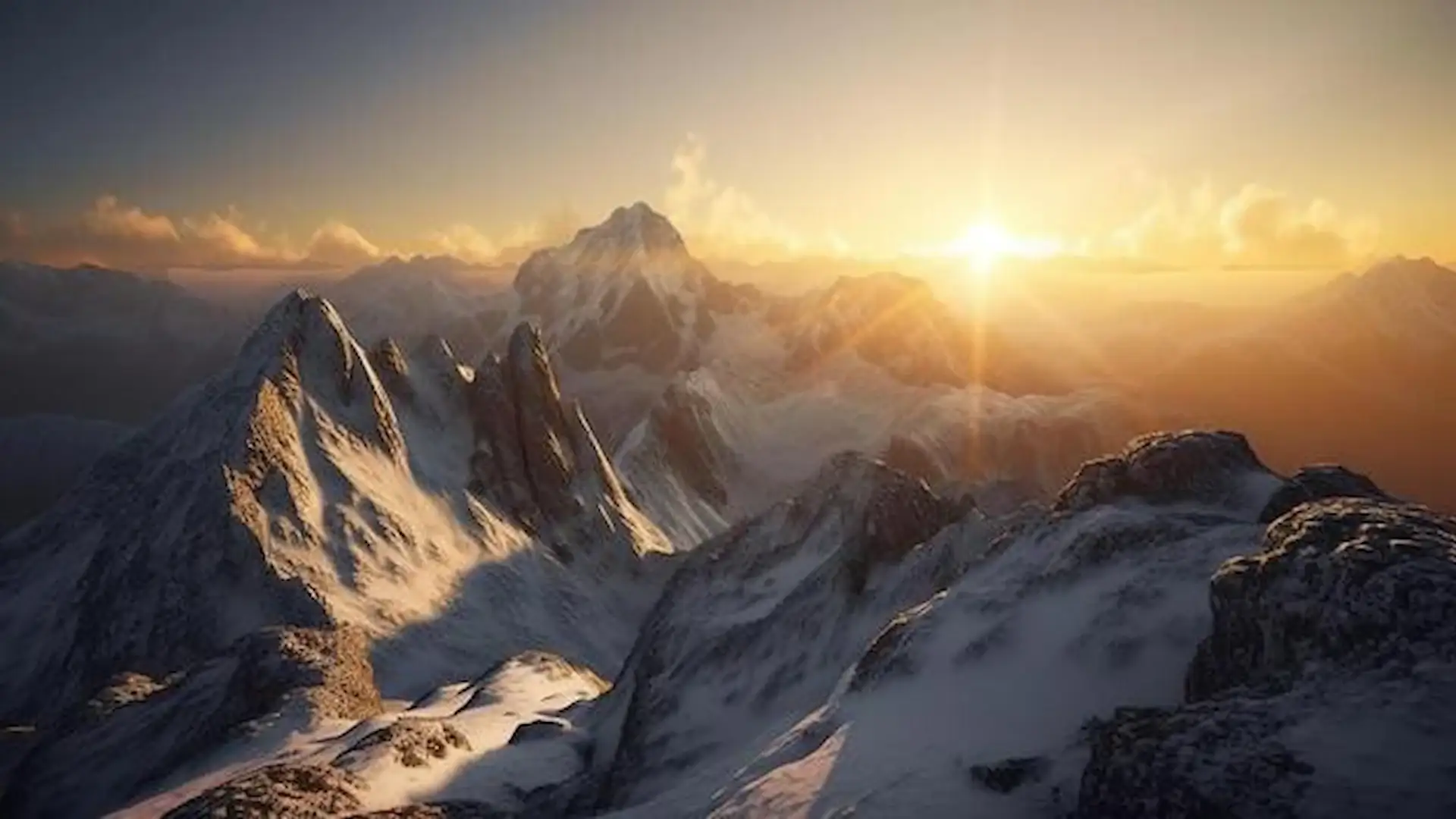
Summer Retreat in the Himalayas
When the Indian plains become uninhabitable — 40°C, dust, the weight of compressed heat — the Himalayas offer altitude, cool air, and the kind of environmental relief that makes retreat work not just possible but natural. Summer in the mountains is green, vivid, and alive. Snow melts. Streams run. Flowers appear in meadows. And the cool mornings make 6 AM meditation feel like a gift rather than a discipline.
Why Summer for a Himalayan Retreat
- Temperature relief: 15–25°C vs 40°C+ on the plains. The body settles instantly.
- Longest days: More natural light for practice, walking, and outdoor meditation.
- Full accessibility: All six retreat locations are accessible from April–September.
- Zanskar opens: June–September is the only window for Zanskar retreats — the deepest option.
- Lush landscape: Forests green, wildflowers bloom, waterfalls peak.
Summer Retreat Locations
Chakrata
May–June in Chakrata is perfect — 15–22°C, the deodar forest at its most lush, and negligible tourist presence. The pre-monsoon air is exceptionally clear. Best for: meditation, silent retreat, stress relief.
Zanskar
June–September only. At 3,500 m in the rain shadow, Zanskar has dry, clear summers. Monastery culture is at its most active. The most immersive option anywhere in India.
Munsiyari
May–June before the monsoon, or September after. Alpine wildflowers, Panchachuli views, and the Khaliya Top meadows at their most striking. Dramatic landscape alongside inner work.
Sankri
Summer opens all high-altitude treks from Sankri. Combine burnout recovery or stress-relief retreat with Har Ki Dun or village walks. Physical engagement in the landscape alongside contemplative practice.
Popular Summer Retreats
Frequently asked questions
What is the weather like during a summer Himalayan retreat?
At altitude (2,000–3,500 m), summer temperatures range from 15–25°C during the day and 5–15°C at night. This is dramatically cooler than the plains, where temperatures reach 40–45°C from April–June. The contrast makes the mountains feel like a different climate zone — because they are. Pre-monsoon (April–June) is optimally clear. Monsoon (July–August) brings rain but also lush greenery.
Is monsoon season suitable for retreats?
Yes, with the right location. Monsoon (July–August) brings rain, but locations like Zanskar sit in the rain shadow and remain dry. Chakrata receives moderate rainfall that makes the forest spectacularly lush without flooding. Rishikesh is best avoided during peak monsoon due to heat and humidity. The monsoon rhythm — rain, clearing, rain — can be deeply meditative.
Which summer location is best for a first retreat?
Chakrata in May–June is the ideal first summer retreat. Cool temperatures, lush forest, easy access from Dehradun, and genuinely quiet. Munsiyari offers more dramatic landscapes but requires a longer journey. Zanskar is best for experienced retreatants comfortable with altitude and remoteness.
Can I combine a summer retreat with trekking?
Absolutely. Summer is peak trekking season. Sankri, Munsiyari, and Zanskar all support combined retreat+trek itineraries. A common pattern: 3–5 day retreat followed by a 3–5 day trek, or vice versa. The combination of stillness and movement creates a particularly powerful experience.