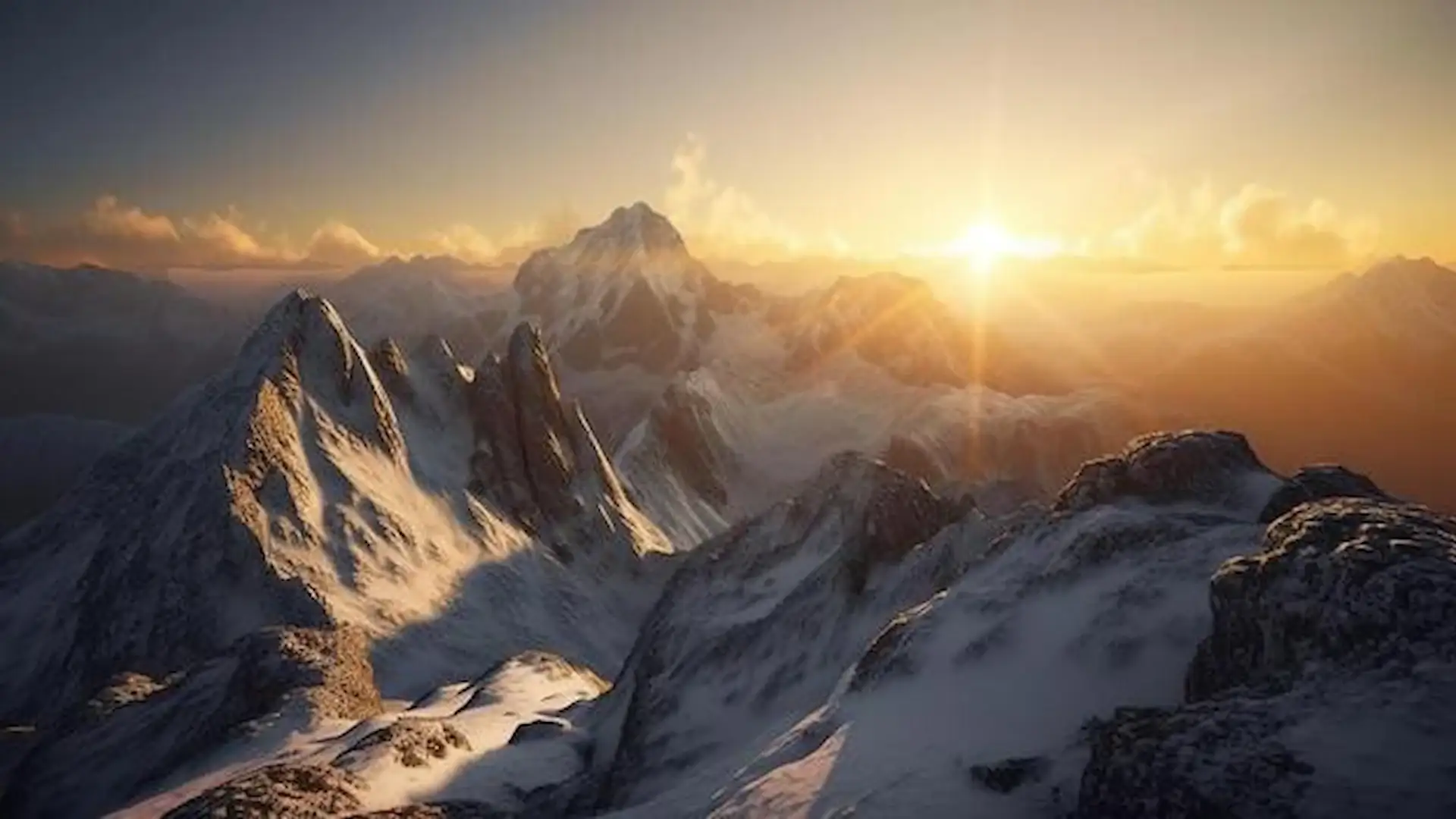
Autumn Retreat in the Himalayas
September through November. The monsoon withdraws and leaves everything clean. The air is crystalline. Mountains that were hidden for months reappear with startling clarity. The forests begin their turn — greens deepening toward gold. The light changes quality, becoming warmer and more angled. Autumn in the Himalayas is the season of release — the landscape is letting go, and it invites you to do the same. For retreat work involving grief, transition, completion, or simply settling, autumn provides the most aligned container.
Why Autumn for a Retreat
- Clearest views: Post-monsoon air is the cleanest of the year. Mountains appear with razor sharpness.
- Golden light: Lower sun angle creates warm, contemplative light throughout the day.
- Release energy: The season naturally supports letting go — leaves fall, the land simplifies.
- Perfect temperature: 10–22°C at mid-altitude. Warm enough for outdoor practice, cool enough for deep sleep.
- Trek compatibility: October–November is peak trek season. Combine retreat and trek.
Autumn Retreat Locations
Chakrata — Forest in Golden Light
The deodar forest takes on a golden-green quality as the sun angle drops. Morning mist burns off to reveal clear Himalayan views. The tourist season has not started. For meditation, silent retreat, and healing work, this is Chakrata at its most contemplative.
Munsiyari — Panchachuli in Crystal Air
The Panchachuli peaks are at their most dramatic — washed clean by monsoon, not yet obscured by winter haze. The Khaliya meadows turn golden. For retreatants who process through landscape, this is the most visually powerful season.
Rishikesh — Post-Monsoon Renewal
The Ganges settles after monsoon, the air cools, and the ashram scene returns to its contemplative rhythm. Comfortable temperatures (20–28°C) perfect for yoga and meditation. The spiritual energy of the post-Navaratri season adds depth.
Popular Autumn Retreats
- Silent retreat in Chakrata — autumn forest silence at its deepest
- Meditation retreat in Zanskar — September: the final window
- Healing retreat in Munsiyari — autumn release in alpine landscape
- Spiritual retreat in Rishikesh — post-monsoon clarity on the Ganges
- 7-day meditation retreat — a full autumn immersion
Frequently Asked Questions
Why is autumn considered the best season for Himalayan retreats?
September–November offers the clearest mountain views of the year. Monsoon has washed the air clean. Temperatures are comfortable (10–22°C at mid-altitude). The forests are still green but beginning to turn. Tourist crowds have not yet arrived. And psychologically, autumn's quality of release and settling mirrors the inner work of retreat — making it the most naturally aligned season.
Which autumn month is best for a retreat?
October is the sweet spot at most locations — clear skies, comfortable temperatures, post-monsoon lushness still visible. September works well but may have residual rain at lower altitudes. November is cooler and drier, transitioning toward winter. For Zanskar, September is the final window before passes close.
Are the mountains visible in autumn?
Autumn provides the best mountain visibility of the year. The monsoon clears atmospheric haze, and the air remains clean until winter haze builds in December. From Munsiyari, the Panchachuli range appears with crystalline sharpness. From Chakrata, distant Himalayan peaks emerge on clear days. The visual impact of these views during meditation or walking practice is profound.
Is autumn good for a combined retreat and trek?
Excellent. October–November is peak trekking season for most Himalayan routes. Snow has not yet arrived at passes below 4,500 m, the weather is stable, and the trails are dry. A common pattern is a 3–5 day retreat followed by a trek — the inner stillness from retreat enhances the trekking experience significantly.