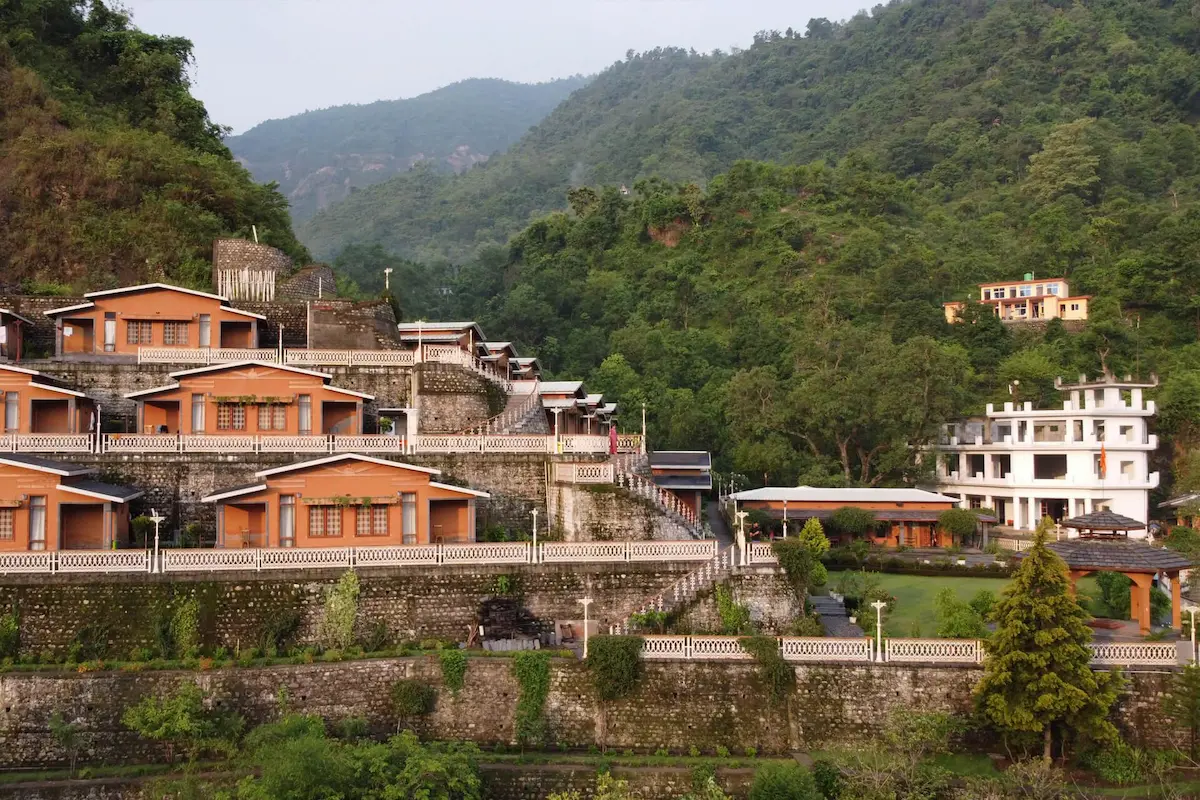
Yoga Retreats in Rishikesh
Choose a 3-day Weekend, 5-day, 7-day, or 10-day Yoga retreat in Rishikesh with regular upcoming dates, shared accommodation, vegetarian/Sattvic-style meals, and guided Yoga practices.
Rishikesh product options
Choose the time you can give to practice
Rishikesh is the only location with recurring published Yoga departures in this product family. Every listed date is open for enquiry; confirm exact venue and accommodation details through WhatsApp.
Weekend Yoga Retreat in Rishikesh
3 Days / 2 Nights
₹7,999
Short Yoga reset for people who cannot take a full week away. A short Yoga reset with introductory practice, relaxation, and an accessible immersive experience.
Upcoming dates
6 Nov – 8 Nov 2026 · Open for enquiry
4 Dec – 6 Dec 2026 · Open for enquiry
1 Jan – 3 Jan 2027 · Open for enquiry
5-Day Yoga Retreat in Rishikesh
5 Days / 4 Nights
₹12,999
The primary introductory Yoga retreat. The primary introductory retreat for building a consistent practice through foundational Yoga, pranayama, meditation, and deeper relaxation.
Upcoming dates
9 Nov – 13 Nov 2026 · Open for enquiry
14 Dec – 18 Dec 2026 · Open for enquiry
11 Jan – 15 Jan 2027 · Open for enquiry
7-Day Yoga Retreat in Rishikesh
7 Days / 6 Nights
₹17,999
Deeper immersion and more time to establish a retreat rhythm. A deeper immersion with more time for consistency, workshops, meditation, and mindful lifestyle practices.
Upcoming dates
16 Nov – 22 Nov 2026 · Open for enquiry
21 Dec – 27 Dec 2026 · Open for enquiry
18 Jan – 24 Jan 2027 · Open for enquiry
10-Day Yoga Retreat in Rishikesh
10 Days / 9 Nights
₹24,999
Extended Yoga immersion. An extended immersion with sustained routine, deeper practice, reflective time, and greater opportunity for exploration.
Upcoming dates
26 Oct – 4 Nov 2026 · Open for enquiry
23 Nov – 2 Dec 2026 · Open for enquiry
28 Dec – 6 Jan 2027 · Open for enquiry
Stay and meals
A clear, enquiry-based stay model
Standard pricing represents shared accommodation. A private room is available on request, but it is not a separate public product and its price is not published. Exact private-room availability and pricing are confirmed manually through WhatsApp.
The location is Rishikesh, Uttarakhand, India. No venue, hotel, or ashram is named in the public product because exact venue and accommodation details are confirmed through the WhatsApp enquiry process.
Standard package meals
- Vegetarian/Sattvic-style meals
- Breakfast
- Lunch
- Dinner
- Drinking water
Meals are vegetarian/Sattvic-style and include breakfast, lunch, dinner, and drinking water.
Programme
Guided practice for beginners and experienced practitioners
The programme is built around personal practice rather than certification or medical treatment. Beginners are welcome, and experienced practitioners may also participate. Exact sessions can vary by retreat.
Representative rhythm
A day follows a flexible practice rhythm
This is a representative structure, not a rigid timetable. The exact daily programme can vary by retreat.
Morning
Yoga practice, pranayama, and meditation.
Daytime
Breakfast, workshop or practice, free/rest time, lunch, and optional exploration.
Evening
Gentle Yoga, meditation or relaxation, dinner, and reflection/free time.
What is included
- Shared accommodation
- Vegetarian/Sattvic-style meals: breakfast, lunch, and dinner
- Drinking water
- Guided Yoga and practice programme
What is not published as included
Flights, train tickets, transportation, excursions, medical services, insurance, equipment, and other operational details are not included in this public summary. Confirm any specific requirement through WhatsApp before booking.
What is a yoga retreat?
A Yoga retreat is a multi-day format for personal practice. The practices, daily rhythm, venue, and inclusions depend on the published departure or the programme proposed through enquiry.
Location conditions differ. Confirm access, season, altitude considerations, and the practice setting for the selected location and dates.
Beginner suitability and session adaptations are not universal promises. Share your experience and ask the team to confirm the approach for a specific programme.
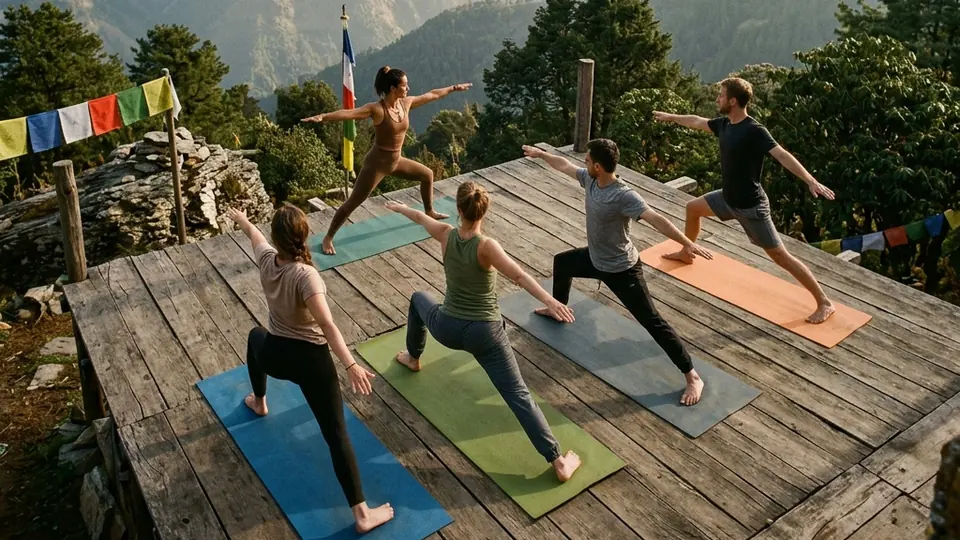
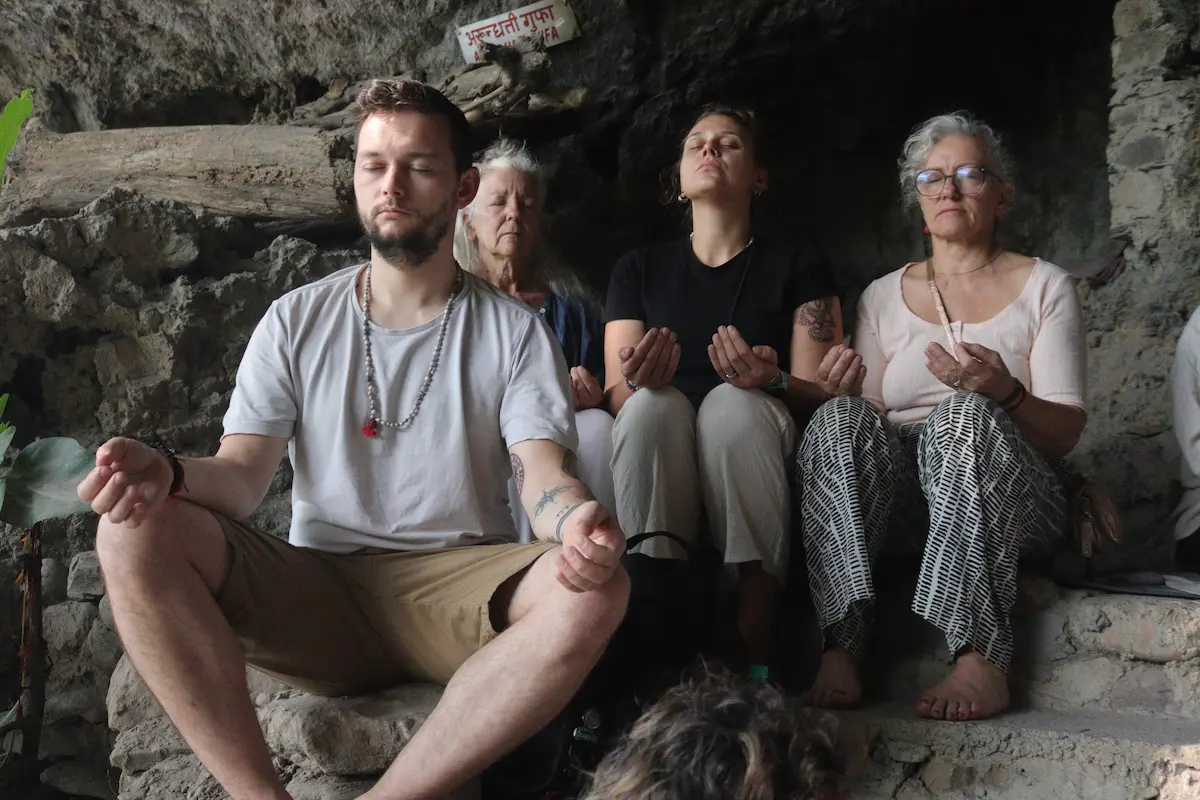
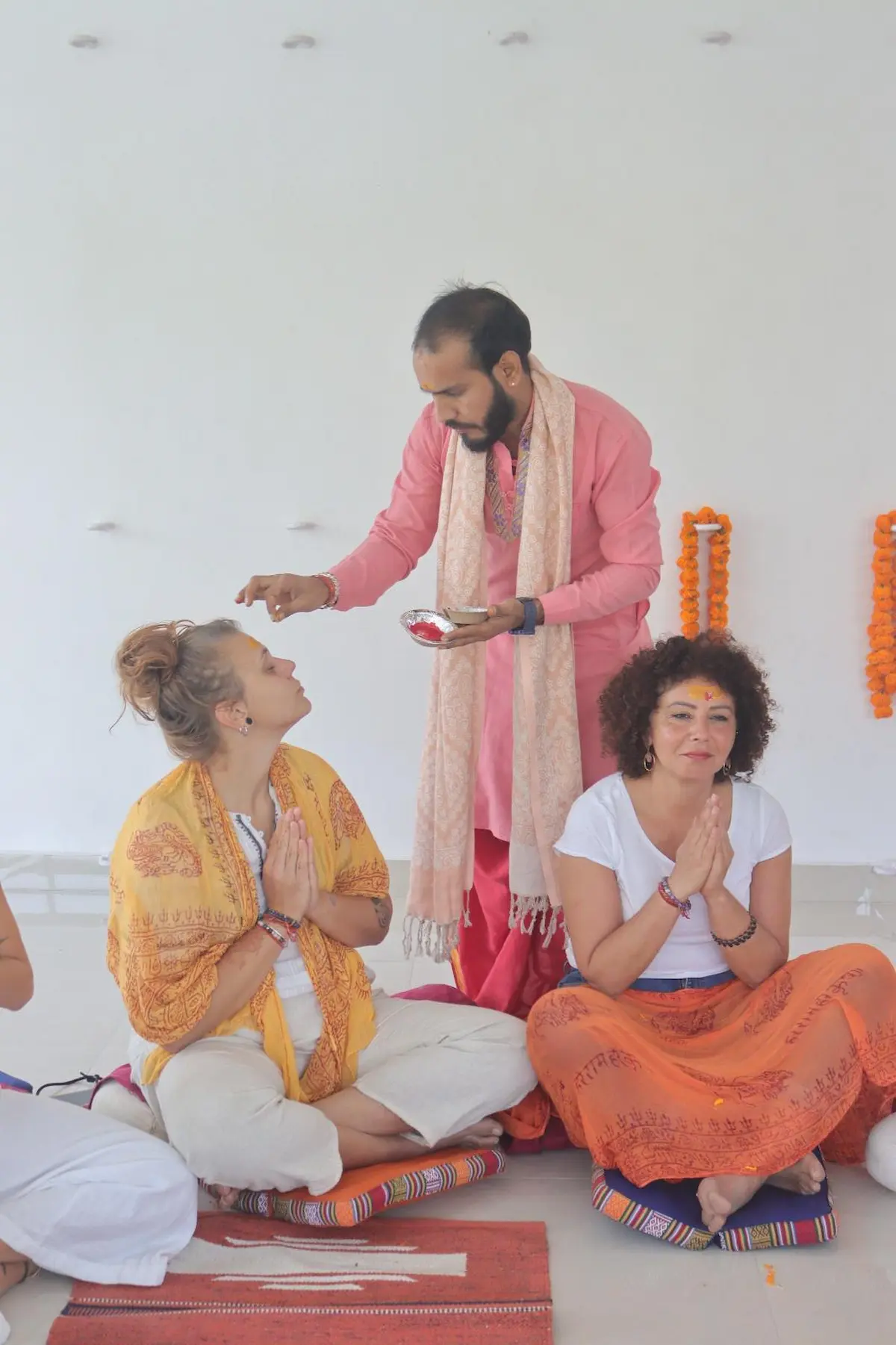
Why Himalayan yoga is different
Altitude, weather, access, quiet, and practice settings vary by location and season. Confirm current conditions and suitability for the dates and programme being considered.
Location Conditions
Altitude, weather, access, and practice settings differ by location. Confirm conditions and suitability for the dates and programme being considered.
Programme Details
Practice style, session timing, teaching assignment, and adaptations are confirmed for a published departure or proposed enquiry.
Published Formats
Weekend, 5-day, 7-day, and 10-day Rishikesh formats are listed as products. A format does not mean a date is scheduled.
Enquiry Path
When dates or location-specific arrangements are not published, use the enquiry form to request current details.
What a day looks like
Morning Asana
Asana practice is described in the Yoga & Movement service. Confirm session timing and format for the selected departure.
Pranayama & Breathwork
Pranayama is part of the existing Yoga & Movement description. Confirm whether and how it is included in a current programme.
Free Time & Nature
Unstructured time and nature activities depend on the selected location and departure; ask for the current itinerary.
Evening Practice
Restorative practice is described in the existing Yoga service. Confirm the sessions and timings offered on the selected departure.
Who yoga retreats are for
Consider this enquiry if you are
- A yoga practitioner seeking deeper connection with practice
- Someone wanting to reconnect body and breath in nature
- Looking for a physically grounded retreat, not purely meditative
- Curious about yoga as a path to presence, not performance
- Considering a custom Yoga enquiry, including whether another activity can be combined
- Seeking confirmed teacher and programme details before choosing
— Not the right fit if you want
- A fitness-focused power yoga boot camp
- Resort-style yoga with poolside relaxation
- Teacher training certification
Yoga settings across the Himalayas
Compare the four locations by access, conditions, and the programme details confirmed for your enquiry.
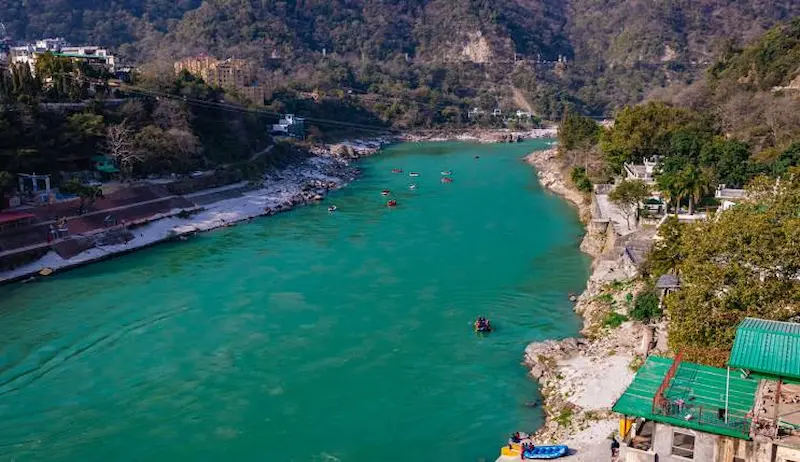
Rishikesh — The Yoga Capital
The primary Yoga product location. Dates, venue, teaching assignment, schedule, and availability are shown only when published.
Best for: Compare published Rishikesh product formats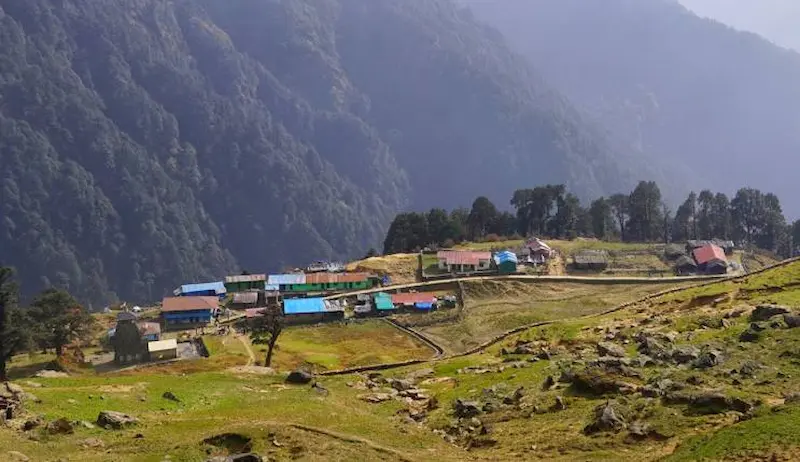
Chakrata — On-request Yoga enquiry
A demand-led enquiry. No recurring Yoga departure or location-specific schedule is currently published.
Best for: Ask whether a custom programme is feasible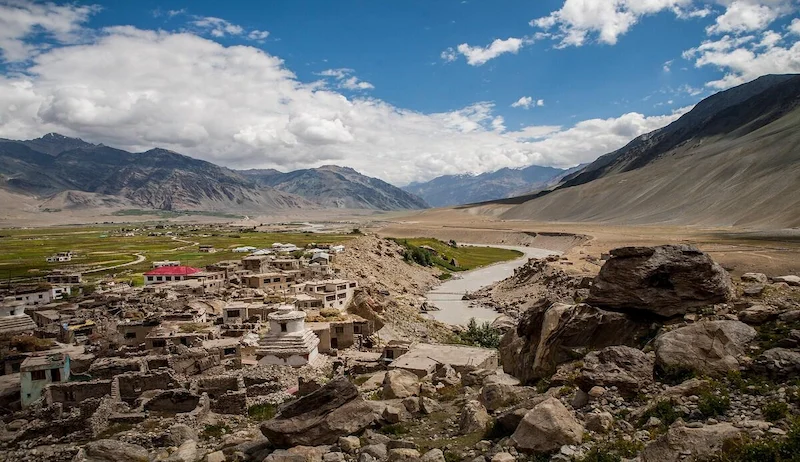
Zanskar — On-request Yoga enquiry
A demand-led enquiry. Access, dates, altitude suitability, and programme details require confirmation.
Best for: Request current feasibility and suitability details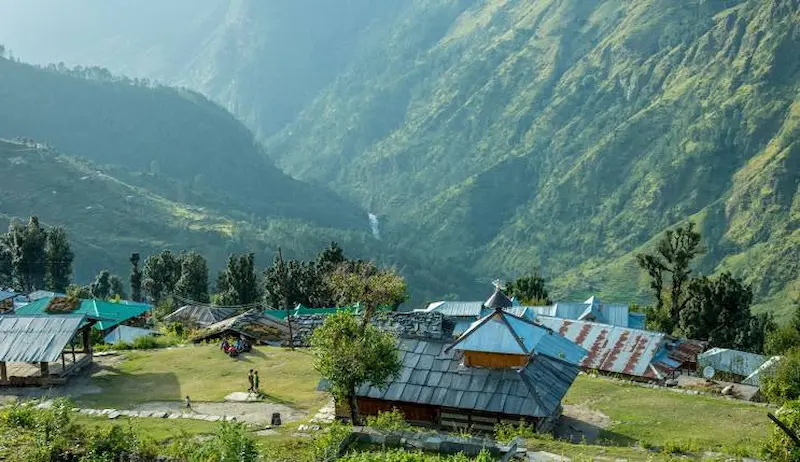
Sankri — On-request Yoga enquiry
A demand-led enquiry. No fixed Yoga departure or scheduled trek-and-Yoga combination is currently published.
Best for: Ask about a location-specific enquiryStart with the right duration
Rishikesh is the primary Yoga retreat setting. Choose a format that fits your time, or ask us to help shape a location-specific Himalayan retreat.
Weekend Yoga Retreat
A shorter format; current Rishikesh Yoga dates are shown only when published.
Explore format →5 days Yoga Retreat
A Rishikesh product format. Dates and programme details appear only when published.
Explore format →7 days Yoga Retreat
A Rishikesh product format. Dates and programme details appear only when published.
Explore format →10 days Yoga Retreat
A Rishikesh product format. Dates and programme details appear only when published.
Explore format →Yoga Teacher Training
A retreat is for your own practice: movement, breath, meditation, rest, and space to reset. Yoga Teacher Training is a separate, more structured learning pathway for people who want to study yoga in greater depth and explore teaching.
Yoga Teacher Training is separate from a personal-practice retreat. Current TTC dates, locations, duration, fees, curriculum, eligibility, accommodation, meals, facilitator, and certification details are not published here.
Request TTC details →Three ways to find your yoga retreat
Choose the path that feels right for where you are right now.
Get Matched
Tell us about your practice, preferred duration, and location. The existing retreat finder is the best place to start when you are unsure.
Help me choose →02Compare Locations
Compare the Rishikesh product with on-request location enquiries; suitability and programme details require confirmation.
Explore Rishikesh →03First Yoga Retreat?
Read general guidance, then confirm beginner suitability for the specific programme.
Beginner's guide →Yoga & Movement experiences
“The Rishikesh yoga retreat exceeded expectations. Practice by the Ganga at sunrise is something I will carry with me. The teachers adapted to every level in the group — beginners got foundations, experienced practitioners got depth. Five days felt like the right duration.”
“Good program, well paced. The morning sessions were intense in the right way. Afternoon movement work was gentler and restorative. The Chakrata setting provided quiet that Rishikesh cannot — less spiritual tourism, more actual practice. I would recommend this for anyone with a regular yoga practice looking to deepen.”
Next six months
Rishikesh Yoga departures
Only product-linked departures in the retreat event registry appear here. Dates, prices, and availability are shown only when published.
10-Day Yoga Retreat in Rishikesh
26 Oct – 4 Nov 2026 · 10 Days / 9 Nights · Rishikesh
Open for enquiry · ₹24,999
Weekend Yoga Retreat in Rishikesh
6 Nov – 8 Nov 2026 · 3 Days / 2 Nights · Rishikesh
Open for enquiry · ₹7,999
5-Day Yoga Retreat in Rishikesh
9 Nov – 13 Nov 2026 · 5 Days / 4 Nights · Rishikesh
Open for enquiry · ₹12,999
7-Day Yoga Retreat in Rishikesh
16 Nov – 22 Nov 2026 · 7 Days / 6 Nights · Rishikesh
Open for enquiry · ₹17,999
10-Day Yoga Retreat in Rishikesh
23 Nov – 2 Dec 2026 · 10 Days / 9 Nights · Rishikesh
Open for enquiry · ₹24,999
Weekend Yoga Retreat in Rishikesh
4 Dec – 6 Dec 2026 · 3 Days / 2 Nights · Rishikesh
Open for enquiry · ₹7,999
5-Day Yoga Retreat in Rishikesh
14 Dec – 18 Dec 2026 · 5 Days / 4 Nights · Rishikesh
Open for enquiry · ₹12,999
7-Day Yoga Retreat in Rishikesh
21 Dec – 27 Dec 2026 · 7 Days / 6 Nights · Rishikesh
Open for enquiry · ₹17,999
10-Day Yoga Retreat in Rishikesh
28 Dec – 6 Jan 2027 · 10 Days / 9 Nights · Rishikesh
Open for enquiry · ₹24,999
Weekend Yoga Retreat in Rishikesh
1 Jan – 3 Jan 2027 · 3 Days / 2 Nights · Rishikesh
Open for enquiry · ₹7,999
5-Day Yoga Retreat in Rishikesh
11 Jan – 15 Jan 2027 · 5 Days / 4 Nights · Rishikesh
Open for enquiry · ₹12,999
7-Day Yoga Retreat in Rishikesh
18 Jan – 24 Jan 2027 · 7 Days / 6 Nights · Rishikesh
Open for enquiry · ₹17,999
10-Day Yoga Retreat in Rishikesh
25 Jan – 3 Feb 2027 · 10 Days / 9 Nights · Rishikesh
Open for enquiry · ₹24,999
Weekend Yoga Retreat in Rishikesh
5 Feb – 7 Feb 2027 · 3 Days / 2 Nights · Rishikesh
Open for enquiry · ₹7,999
5-Day Yoga Retreat in Rishikesh
8 Feb – 12 Feb 2027 · 5 Days / 4 Nights · Rishikesh
Open for enquiry · ₹12,999
7-Day Yoga Retreat in Rishikesh
15 Feb – 21 Feb 2027 · 7 Days / 6 Nights · Rishikesh
Open for enquiry · ₹17,999
10-Day Yoga Retreat in Rishikesh
22 Feb – 3 Mar 2027 · 10 Days / 9 Nights · Rishikesh
Open for enquiry · ₹24,999
Weekend Yoga Retreat in Rishikesh
5 Mar – 7 Mar 2027 · 3 Days / 2 Nights · Rishikesh
Open for enquiry · ₹7,999
5-Day Yoga Retreat in Rishikesh
8 Mar – 12 Mar 2027 · 5 Days / 4 Nights · Rishikesh
Open for enquiry · ₹12,999
7-Day Yoga Retreat in Rishikesh
15 Mar – 21 Mar 2027 · 7 Days / 6 Nights · Rishikesh
Open for enquiry · ₹17,999
10-Day Yoga Retreat in Rishikesh
22 Mar – 31 Mar 2027 · 10 Days / 9 Nights · Rishikesh
Open for enquiry · ₹24,999
Window: 25 October 2026 to 24 April 2027. Unpublished or past dates are not shown as upcoming availability.
Related guides
What makes our retreats different
The Yoga & Movement service describes possible practice elements. Sessions and daily structure are confirmed for a published departure or proposed enquiry.
A facilitator is shown only when assigned to a published departure. Ask who would lead a proposed demand-led programme.
Dates, pricing, and location-specific details are confirmed through the existing enquiry and event systems instead of being assumed on this hub.
Frequently asked questions
What is a yoga retreat?
A Yoga retreat is a multi-day personal-practice format combining Hatha Yoga, mindful movement, pranayama, meditation, relaxation, Yoga Nidra, yogic lifestyle practices, and reflective/self-awareness practices. It is separate from Yoga Teacher Training.
Do I need to be flexible or experienced to join a yoga retreat?
Beginners are welcome, and experienced practitioners may also participate. Share your experience through WhatsApp so the team can confirm the approach for the selected Rishikesh departure.
How is a yoga retreat different from a normal yoga class?
A regular class is a single session. A retreat gives several days for a consistent practice rhythm with Yoga, meals, rest, meditation, and reflection. The exact daily programme can vary by retreat.
What style of yoga is taught at Himalayan retreats?
The Rishikesh programme includes Hatha Yoga, mindful movement, pranayama, meditation, relaxation, Yoga Nidra, yogic lifestyle practices, and reflective/self-awareness practices.
Which locations have recurring Yoga retreats?
Rishikesh is the recurring published location for these four Yoga products. Sankri, Chakrata, and Zanskar are demand-led locations; ask about the specific conditions and programme before choosing one.
What is included in the retreat price?
Standard pricing represents shared accommodation and includes vegetarian/Sattvic-style breakfast, lunch, dinner, drinking water, and the guided Yoga/practice programme. Private rooms are available on request; pricing and exact venue details are confirmed manually through WhatsApp.
Can I combine yoga with trekking?
A scheduled Yoga-and-trekking combination is not currently offered. You can ask the team on WhatsApp whether a custom option may be possible for your dates and location; availability and details would need confirmation.
How long should a yoga retreat be?
The Weekend is a short reset, 5 days is the primary introductory format, 7 days offers deeper immersion, and 10 days provides extended immersion. Choose based on your time and desired practice depth.
Are Yoga Teacher Training and a yoga retreat the same?
No. A Yoga retreat is for personal practice and immersion. Yoga Teacher Training is a separate study pathway; these retreats do not claim certification.
How do I check dates and pricing?
The calendar and product cards read upcoming Rishikesh departures from the authoritative registry. Each listed date shows its duration, price, Open for enquiry status, and WhatsApp CTA.
Begin Your Yoga Retreat
Tell us about your practice and preferred location. The team can confirm current published options or review a demand-led enquiry.
Help Me Choose →