Meditation Retreats for Beginners: Where to Start
You do not need to be a meditator to go on a meditation retreat. You do not need to be spiritual, flexible, or calm. You need willingness to try something uncomfortable and a few days of free time. This guide covers everything else.
Why Start with a Retreat (Not an App)
The App Problem
Most people try to learn meditation alone — through apps, videos, or books. This works for some. For many, it does not. The dropout rate for meditation apps is over 90% within the first month. The reason is simple: meditation is difficult, and doing difficult things alone, in the same environment where all your distractions live, is harder than it needs to be.
The Retreat Solution
A retreat removes the obstacles that home practice cannot. No decisions about when to sit. No negotiation with yourself about whether to skip today. No family, work, or notifications competing for your attention. The structure does the work that willpower cannot.
This is why many experienced meditators started with a retreat, not the other way around. Read why people go to meditation retreats for a deeper look at motivations.
Which Type Is Best for Beginners?
Facilitated Meditation Retreat
Best for most beginners. A trained facilitator guides every session, provides instruction, and is available for questions. You do not need to know what you are doing — the facilitator provides the structure. Our 3-day meditation retreat is designed specifically for this.
Yoga Retreat with Meditation
If sitting still feels intimidating, a yoga retreat that includes meditation sessions gives you a gentler entry. Physical movement breaks up the sitting, and yoga itself is preparation for stillness. This format suits people who learn through the body.
Silent Retreat
Not typically recommended for first-timers, but some beginners do very well with silence. If you are introverted, comfortable with solitude, and want the most immersive experience, a 3-day silent retreat is an option. Read about how hard silence actually is before deciding.
Vipassana (10-Day)
The traditional Goenka Vipassana format is free, widely available, and profoundly effective — but intense. Ten days of silence, 10 hours of sitting per day, strict schedule, no physical exercise. It is not designed for comfort. Some beginners thrive here. Many find it too harsh as a first experience. Read our comparison of Vipassana and general meditation retreats.
How Long & Where to Go
Duration: 3 Days
Three days is the consensus among retreat facilitators and our own experience. Three days gives you enough time to settle, practice, and get a genuine taste of what retreats offer — without the intensity of a full week.
If three days feels too short, consider our detailed duration guide.
Location: Chakrata
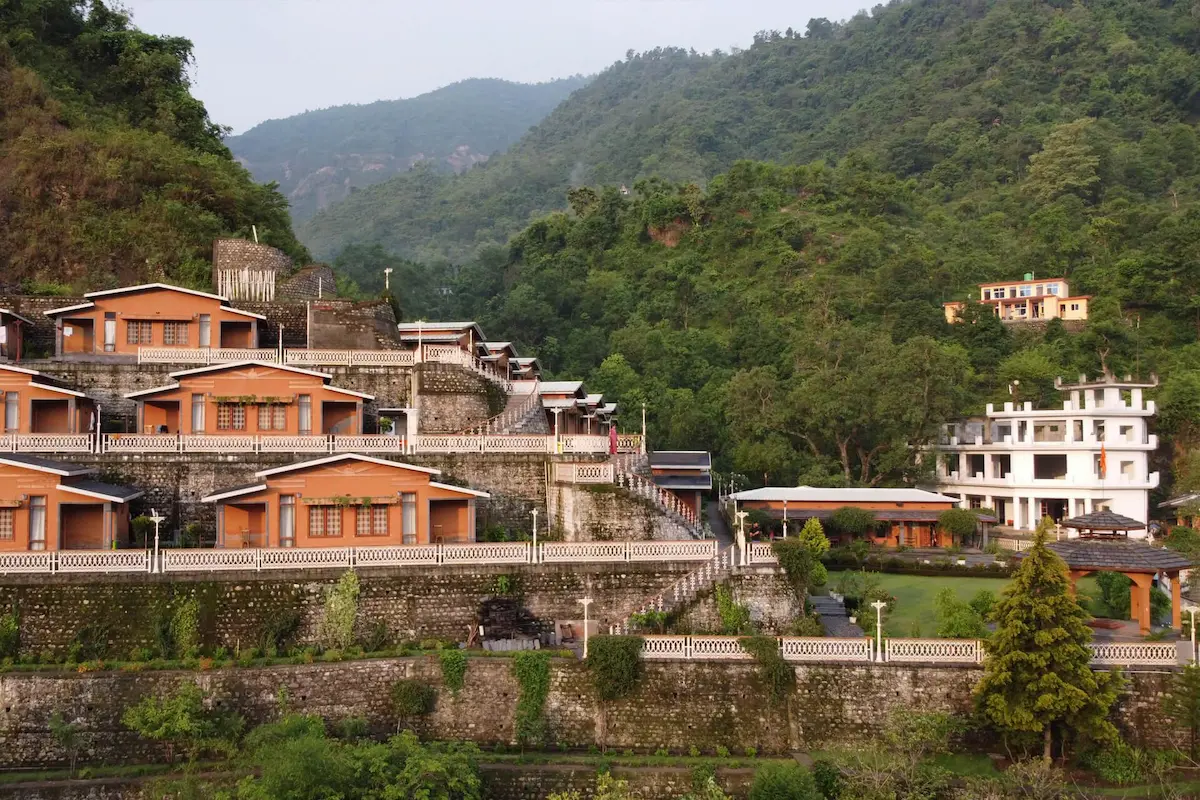
Location matters less than you think, but environment matters more. Our Chakrata forest retreat is specifically designed for beginners — accessible from Delhi (6 hours), surrounded by deodar forest, comfortable rooms, and trained facilitators.
For something more adventurous later, see Zanskar.
Common Fears (and the Reality)
"I can't meditate"
You do not need to know how. That is what the facilitator is for. Thinking you cannot meditate is the most common reason people attend a retreat.
"I'll be bored"
You will. And that is part of the experience. Read about what day one actually looks like.
"It's too expensive"
"I'll feel out of place"
Most retreat participants are first-timers. You will not be the only one who does not know what they are doing.
"What if I want to leave?"
You can. No retreat should prevent you from leaving. The desire to leave usually passes within hours.
How to Prepare for Your First Retreat
Practice sitting still for 10–20 minutes a day for 1–2 weeks before you go.
Read our packing list — bring less than you think.
Avoid dramatic dietary changes in the week before.
Tell friends and family you will be unreachable.
Lower your expectations to zero — arrival without agenda is the best preparation.
Full preparation guide: How to Prepare for a Retreat and First Meditation Retreat Tips.
3-Day Meditation Retreat — Designed for Beginners
No experience needed. Facilitated sessions, all meals, forest setting. The gentlest possible entry to retreat practice.
Frequently asked questions
Do I need meditation experience before going on a retreat?
No. Many people attend their first retreat with zero meditation experience. Facilitated retreats include all instruction — you do not need to know how to meditate before arriving. In fact, arriving without established habits can be an advantage, because you have no technique to unlearn or expectations to manage.
What is the best type of retreat for a complete beginner?
A facilitated 3-day meditation retreat in a comfortable setting. Look for: a trained facilitator (not self-directed), meals included, private or semi-private accommodation, and a structured schedule. Avoid 10-day Vipassana as your first retreat — it is intense by design and better suited to people with some retreat experience.
How much does a beginner meditation retreat cost?
Retreat costs vary widely. Budget options (donation-based Vipassana centres) are free but austere. Mid-range retreats with facilitation, comfortable rooms, and meals typically cost ₹15,000–₹35,000 for 3 days in India. Premium retreats can go much higher. Our retreats include all meals, accommodation, and facilitation, with transparent pricing on each programme page.
What if I cannot sit still for long periods?
You do not need to. Beginner-friendly retreats intersperse sitting meditation with walking meditation, gentle movement, and rest. Sessions are shorter (20–30 minutes initially) and build gradually. Chairs and backrests are available. The practice is about attention, not endurance.
Should I do a silent retreat as my first retreat?
It depends on your temperament. Some beginners thrive in silence because it simplifies the experience — fewer social dynamics to navigate. Others find it too intense without the relief of conversation. A good middle ground is a retreat with noble silence (quiet hours) rather than total silence. Our 3-day retreat includes periods of both silence and facilitated sharing.