Yoga Retreats in Rishikesh
Rishikesh is where serious yoga practice begins. Not in a studio with mirrored walls and playlist curation — on the banks of the Ganges, in the foothills of the Himalayas, inside a tradition that has sustained unbroken practice for generations. A yoga retreat here is a residential programme: structured daily asana, pranayama, meditation, and guided integration over multiple days. You arrive carrying whatever the city has loaded onto you. You leave with a body that has remembered how to breathe and a mind that has stopped racing.
This is not a holiday with yoga attached. It is a programme built around practice, held in the one place on earth most associated with that practice. The river provides the soundtrack. The mountains provide the frame. The teaching lineage provides the structure. Everything else — the noise, the notifications, the decision fatigue — stays outside the gate.
Why Rishikesh Is the Yoga Capital of India
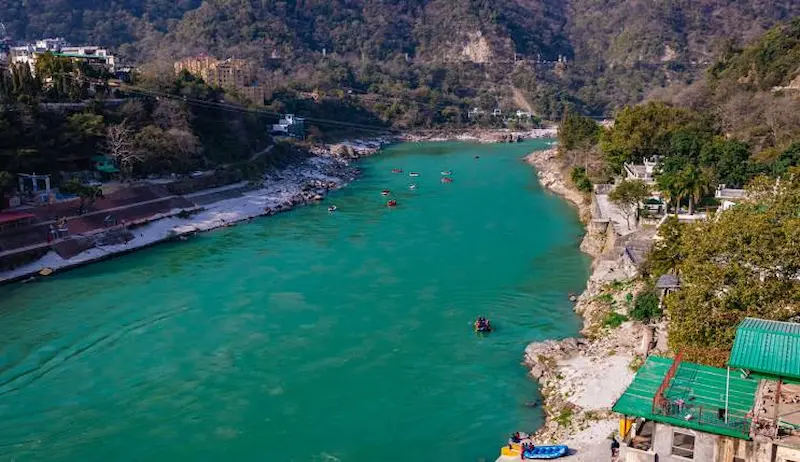
The title is not honorary. Rishikesh earned it through density of practice, depth of lineage, and a physical environment that no other city in India can match. The Ganges enters the plains here — cold, fast, and clean enough to sit beside at dawn without the cognitive dissonance that other river cities create. The Himalayan foothills rise immediately behind the town, delivering mountain air, forest canopy, and a natural sound barrier against the world beyond.
The ashram tradition in Rishikesh is unbroken. Teachers here hold lineages in Hatha, Ashtanga, Iyengar, Sivananda, and Kundalini yoga — not as academic knowledge but as living practice transmitted teacher to student across decades. This depth of instruction is what separates a Rishikesh retreat from a wellness resort with a yoga schedule. The teaching carries weight. The corrections are precise. The philosophy is integrated into every session, not bolted on as an afterthought.
International recognition followed naturally. Practitioners from over fifty countries travel to Rishikesh annually. The town holds India's highest concentration of registered yoga schools, retreat centres, and residential programmes. When the world thinks of yoga in India, it thinks of Rishikesh. That reputation is infrastructure — it means the best teachers, the most refined programmes, and the deepest practice containers are concentrated here. Explore all Rishikesh retreat programs to see the full range of formats available.
What a Yoga Retreat in Rishikesh Looks Like
A retreat in Rishikesh follows a rhythm built around the river and the mountain day. It is not a menu of activities you choose from — it is a structured container designed to move you through a physical and mental reset over two to seven days.
- Morning Ganga-side practice (6:30–8:00 AM). The primary asana session. Ninety minutes of guided practice on a riverside platform as mist lifts from the water. Hatha or Vinyasa flow depending on the programme. Modifications for all levels. The sound of the Ganges holds attention without effort — external noise management is unnecessary when the river is the background.
- Pranayama (9:00–9:45 AM). Structured breathwork following breakfast. Alternate nostril breathing, kapalabhati, box breathing, and extended exhale techniques. In Rishikesh's river-valley air, breath exercises carry a distinctive freshness that studio environments cannot replicate.
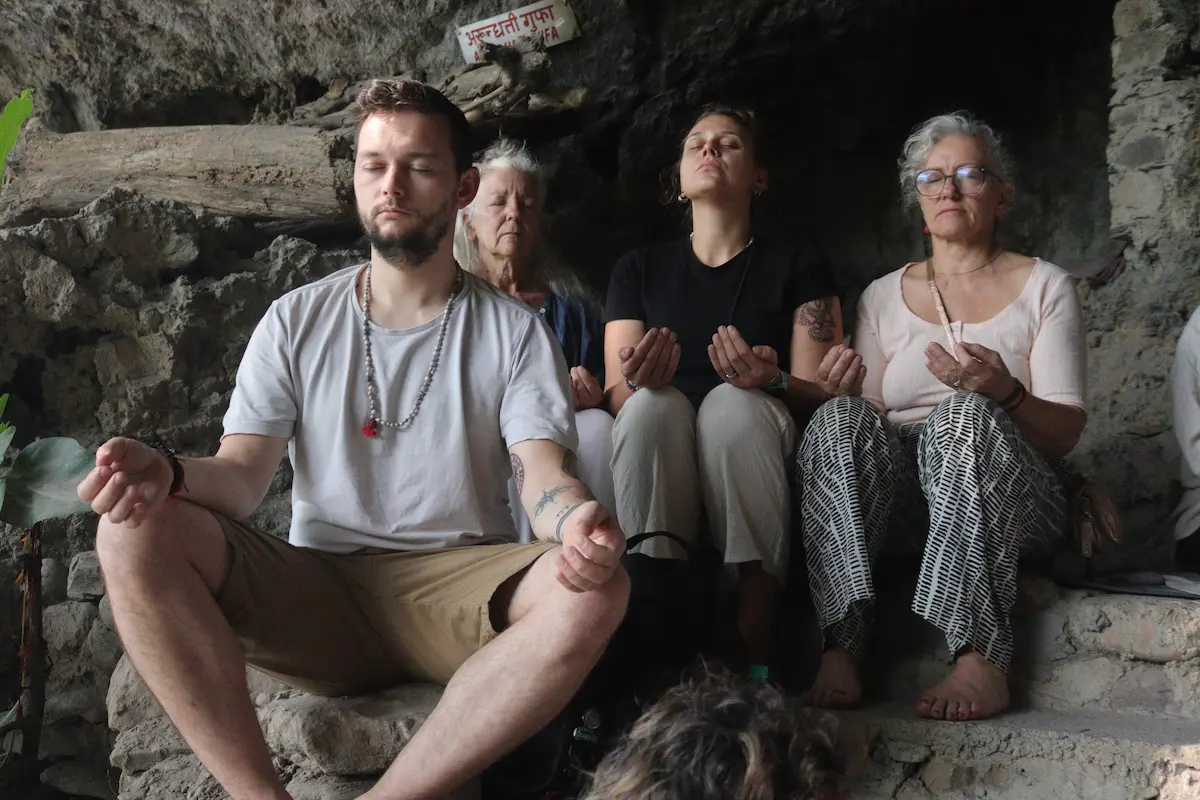
- Guided meditation (11:00–11:45 AM). Seated practice — often on the riverbank or in a shaded courtyard. Breath-based concentration, body scanning, or mantra meditation depending on the tradition. This session integrates the morning's physical practice into stillness.
- Afternoon free practice or nature time. Unstructured hours for personal practice, journaling, walking along the riverbank, or simply resting. This space is deliberate — the body needs integration time between structured sessions.
- Evening session (5:00–6:30 PM). Restorative yoga, yin practice, or sound healing retreats. Slower, softer, and designed to wind the nervous system down. Some programmes include evening satsang — guided philosophical discussion around a theme from the day's practice.
Meals are vegetarian, often sattvic — light, clean, and timed to support practice rather than social dining. Digital detox is standard. Screens go off on arrival. The retreat begins the moment the device goes dark.
This is not yoga teacher training. Teacher training programmes (200-hour, 500-hour) are academic and certification-focused. A retreat is experiential and restoration-focused. Both exist in Rishikesh. They serve different purposes.
Who Should Choose a Yoga Retreat in Rishikesh
Rishikesh serves the widest range of participants of any yoga destination in India. The infrastructure supports everything from first-time gentle practice to advanced intensive formats.
- Beginners who want proper foundations. A retreat is the fastest way to build a practice. Three days of guided instruction with personal correction establishes alignment, breath awareness, and postural foundations that self-guided learning takes months to approximate. Rishikesh offers the widest selection of beginner-welcoming programmes.
- Corporate professionals carrying burnout recovery retreats. Decision fatigue, screen overload, and sleep disruption respond powerfully to structured yoga immersion. The physical practice releases held tension. The breathwork resets the autonomic nervous system. The environment completes the intervention — Rishikesh is five to six hours from Delhi, making it the most accessible serious reset available to NCR professionals. See all retreats near Delhi for accessible options.
- International visitors. If you are travelling to India for yoga, Rishikesh is the destination. English-language instruction is standard. The town is well-connected — Dehradun airport is forty-five minutes away with domestic flights from Delhi, Mumbai, and Bangalore. Visa requirements are straightforward. The retreats are structured for international comfort without diluting the depth of practice.
- Couples seeking a shared practice experience. Practising yoga together in a residential retreat — meals, sessions, silence, riverbank walks — creates shared presence that a resort holiday cannot. Rishikesh provides the structure that turns a trip into a transformative shared experience.
- Short-term seekers (3–5 days). Not everyone has a week. Rishikesh's proximity to Delhi and its dense concentration of programmes means you can arrive Friday evening and depart Monday or Tuesday with a complete retreat experience. The short format works here because the teaching infrastructure is so refined — every session counts.
Best Time for a Yoga Retreat in Rishikesh
Rishikesh operates year-round, but the practice quality shifts with the seasons. Choosing the right window depends on whether you prioritise outdoor practice conditions, quieter atmosphere, or specific weather preferences.
October to November is the peak. Post-monsoon clarity, mild temperatures (20–28°C), and excellent river conditions. Morning Ganga-side practice is at its best — crisp air, clear skies, low humidity. This is the strongest recommendation for first-time visitors.
February to April is the second peak. Winter lifts, wildflowers appear in the foothills, and the town is quieter than autumn. Mornings are cool (12–18°C) and afternoons warm comfortably. Ideal for practitioners who prefer fewer visitors and a more intimate retreat atmosphere.
Summer Himalayan retreats (May to June) are warm in Rishikesh — daytime temperatures reach 35–40°C. Early morning and evening sessions remain comfortable, but midday practice moves indoors. Some practitioners prefer the heat for its detoxifying intensity.
Monsoon (July to September) brings rain, humidity, and a transformed landscape. The Ganges rises and quickens. Outdoor riverside practice shifts to covered spaces. The atmosphere is uniquely introspective — fewer visitors, lush green foothills, and rain-on-roof meditation that carries its own quality.
Winter Himalayan retreats (December to January) bring cool mornings (8–14°C) and mild afternoons. Rishikesh never freezes. Winter practice has a sharp, clear quality — cold air deepens pranayama and the low-angle winter light creates beautiful morning session conditions.
How Long Should a Yoga Retreat in Rishikesh Be?
Duration shapes the depth. Each format serves a different intention and schedule reality.
3 days (2 nights). The minimum effective dose. Friday arrival, full Saturday immersion, Sunday morning closing. This format delivers genuine reset — measurable reduction in cortisol, improved sleep quality, and restored mental clarity. It works for professionals who cannot take extended leave and want the most value from a weekend window.
5 days (4 nights). The sweet spot for most practitioners. By day three, the body has fully adjusted to the retreat rhythm. Days four and five are where the deeper benefits emerge — sustained concentration, emotional processing, and the kind of insight that only arrives when the mind has been quiet long enough. This format allows the teaching to build progressively rather than compress everything into a single full day.
7 days (6 nights). The full immersion format. One week in Rishikesh — practising twice daily, eating clean, sleeping in mountain air, disconnected from devices — creates a before-and-after line that shorter formats approach but do not cross. Physical flexibility increases noticeably. Mental patterns that seemed fixed begin to shift. Relationships with stress, sleep, and attention reset at a foundational level.
Not sure which duration fits your situation? Our comparison of three-day versus five-day retreat formats covers the trade-offs in detail.
Looking at the full picture? See all Rishikesh retreat programs including meditation, sound healing, and burnout recovery formats.
For yoga programmes across all Himalayan locations, see yoga retreats in Uttarakhand. For all retreat types and destinations, start at Himalayan retreats in India.
Frequently Asked Questions
Is Rishikesh the best place for a yoga retreat in India?
Rishikesh is widely regarded as the best place for a yoga retreat in India. It holds the highest concentration of experienced yoga teachers, established ashram traditions, and structured residential programmes in the country. The Ganges riverside setting and Himalayan foothill environment add a dimension that indoor studios cannot replicate. For practitioners seeking lineage-based instruction with spiritual depth, Rishikesh is the global standard.
Are yoga retreats in Rishikesh beginner-friendly?
Yes. Most yoga retreats in Rishikesh structure sessions for mixed experience levels. Facilitators offer modifications for every posture. Pranayama and meditation sessions are taught from foundations — no prior experience assumed. Beginners often report faster progress in a retreat than in months of weekly classes because the immersive format allows the body and mind to adapt without interruption between sessions.
What is included in a yoga retreat in Rishikesh?
A standard yoga retreat in Rishikesh includes daily asana sessions (typically two per day), pranayama instruction, guided meditation, vegetarian meals, accommodation, and facilitated group activities such as nature walks or evening satsang. Many programmes also include sound healing, journaling workshops, or Ayurvedic consultations. Yoga mats, props, and practice spaces are provided. You bring comfortable clothing and a willingness to follow the daily structure.
Are yoga retreats in Rishikesh residential?
Yes. Retreat programmes in Rishikesh are residential — you stay on-site for the full duration. This is essential to the retreat format. Living within the programme container, eating together, practising together, and sleeping on-site creates the sustained immersion that distinguishes a retreat from a series of drop-in classes. Accommodation ranges from simple ashram rooms to comfortable private rooms depending on the programme.
Can international visitors attend yoga retreats in Rishikesh?
Absolutely. Rishikesh draws yoga practitioners from over fifty countries annually. Sessions are conducted in English. International visitors need a valid Indian tourist visa or e-visa. Rishikesh is well-connected — five to six hours from Delhi by road, with Dehradun airport forty-five minutes away offering domestic connections. Many retreats offer airport transfer arrangements for international participants.
How is a yoga retreat different from yoga teacher training?
A yoga retreat focuses on personal practice, restoration, and immersive experience. It is for anyone seeking a structured pause. Yoga teacher training (YTT) is a professional certification programme — typically 200 or 500 hours — designed to qualify graduates to teach. Retreats are shorter (two to seven days), less academic, and prioritise personal transformation over technical instruction. If you want to deepen your practice, choose a retreat. If you want to teach, pursue YTT.