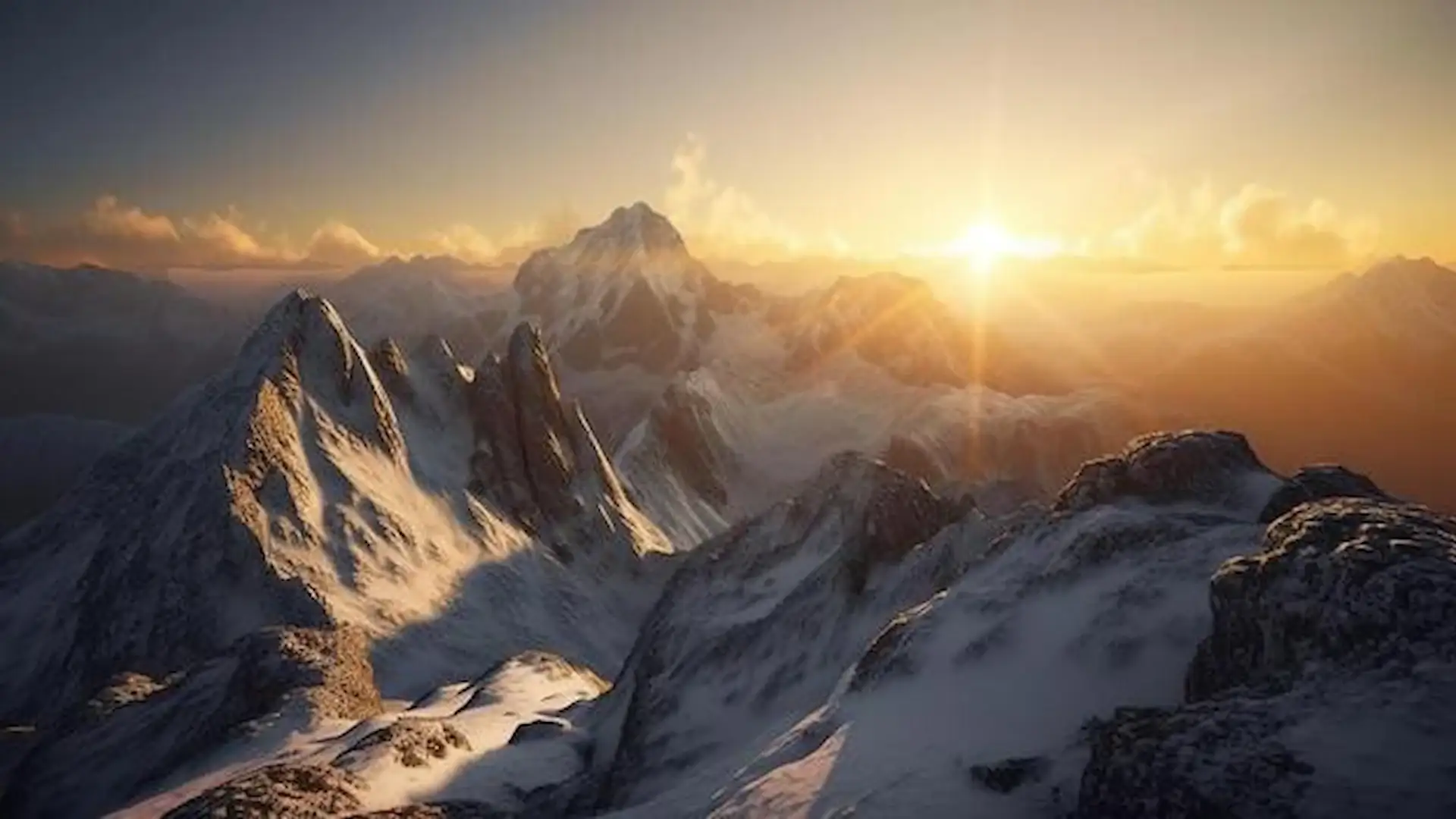
Best Retreats by Category
| Category | Top Location | Why | Best Season |
|---|---|---|---|
| Meditation | Zanskar | Monastery silence, 3,500m altitude | Jun–Sep |
| Silent Retreat | Chakrata | Forest acoustic enclosure, accessible | Year-round |
| Yoga | Rishikesh | Living tradition, Ganges energy | Oct–Mar |
| Burnout Recovery | Chakrata | Gentle altitude, genuine separation | Sep–Oct |
| Spiritual | Rishikesh | Millennia of accumulated practice | Oct–Mar |
| Trek + Retreat | Sankri | Mountain movement integration | Mar–Jun, Sep–Nov |
Best Himalayan Retreats by Purpose
Meditation & Silence
For pure meditation depth, Zanskar is unmatched — monastery lineage, extreme remoteness, and altitude that naturally quiets the mind. Chakrata offers the most accessible silence: dense forest with no tourist noise, 2.5 hours from Dehradun. Rishikesh provides meditation within a living spiritual tradition on the Ganges.
Yoga & Movement
Rishikesh is the natural home of yoga in India — ashram tradition, experienced teachers, and Ganges-side practice. For altitude yoga that demands conscious breathing, Zanskar at 3,500 metres transforms every pose. Sankri combines yoga with mountain trekking for those who want body and mind fully engaged.
Burnout Recovery
Burnout needs genuine stopping — not another optimisation. Chakrata offers accessible recovery in forest silence. Zanskar offers radical reset through extreme remoteness. Munsiyari provides perspective through alpine grandeur. Sankri adds physical release through gentle trekking.
Spiritual Immersion
Rishikesh carries the weight of India's living spiritual tradition. Zanskar offers Buddhist monastic immersion dating to the 12th century. Chakrata provides nature-based spirituality — the forest itself as teacher. Each serves a different spiritual orientation.
Best Himalayan Retreat Locations
Zanskar, Ladakh
The most remote and immersive. Monastery meditation, high-altitude silence, radical disconnection. 3,500m.
Chakrata, Uttarakhand
Accessible forest silence. Beginners and burnout recovery. Dense deodar forest at 2,000m, 2.5 hours from Dehradun.
Rishikesh, Uttarakhand
India's yoga capital. Spiritual tradition, ashram culture, Ganges-side practice. Year-round.
Munsiyari, Uttarakhand
Alpine grandeur facing Panchachuli peaks. Spacious silence and perspective. 2,200m.
Sankri, Uttarakhand
Remote basecamp for trek-retreat combinations. Mountain movement and forest depth. 1,920m.
Frequently Asked Questions
What is the best Himalayan retreat for first-timers?
Chakrata is the best entry point for first-time retreatants. It is accessible from Dehradun (2.5 hours by car), offers natural Himalayan silence at 2,000 metres, and does not require prior yoga or meditation experience. Groups are small (maximum 12), programs are guided, and the forest environment is gentle rather than extreme. For those wanting a structured yoga experience, Rishikesh is also excellent for beginners.
Which Himalayan retreat is most remote?
Zanskar in Ladakh is the most remote location — 230 km from Leh through mountain passes, in a high-altitude valley at 3,500 metres. The road is open only from June to November. Phone signal is intermittent. This remoteness is the primary therapeutic intervention — when every familiar cue is stripped away, genuine recalibration begins. Only recommended for those prepared for basic accommodation and physical challenge.
Are Himalayan retreats safe for solo women travellers?
Yes. All our retreats operate with experienced guides, small groups (maximum 12), and known accommodation partners. Chakrata and Rishikesh are the most infrastructure-rich locations. For remote locations like Zanskar and Munsiyari, we provide full logistics — transport, accommodation, and guided programs. Solo women travellers make up a significant portion of our retreat participants.
What is the best time of year for a Himalayan retreat?
March to June and September to November are the best windows for most locations. Summers (April–June) are ideal for Munsiyari and Sankri where temperatures stay pleasant while the plains are hot. September–October offers the clearest skies across all locations. Winter (November–February) is best for Rishikesh and those seeking snow silence in Chakrata. Zanskar is accessible June–September only (unless you are doing the Chadar winter trek).
How much does a Himalayan retreat cost?
Our retreats range from weekend programs (2–3 days) to immersive journeys (7–14 days). Pricing depends on location, duration, and group size. Accessible locations like Chakrata are more affordable. Remote locations like Zanskar involve higher logistics costs. All retreats include accommodation, meals, guided programs, and local transport. Contact us for current pricing based on your preferred dates and format.
Can I combine a retreat with trekking?
Yes — and this is one of the most powerful combinations we offer. Sankri, Zanskar, Munsiyari, and Chakrata all support trek-retreat combinations where you walk in the mountains as part of the retreat pattern. Physical movement in nature prepares the body for stillness and creates a deeper overall experience. See our experience pages for meditation, yoga, and burnout recovery retreats that integrate trekking.